
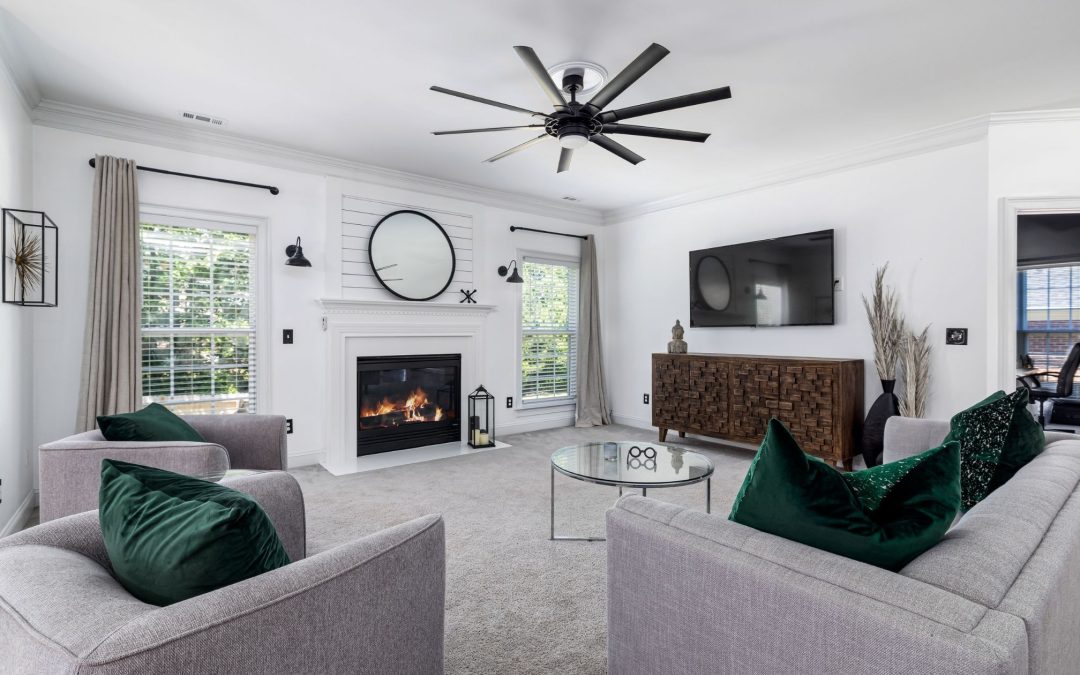
Choosing the right carpet flooring can transform your home by adding comfort, warmth, and personality to your living spaces. Whether you’re replacing worn carpeting or selecting materials for a new construction project, understanding the available options can help you make a confident decision. From fiber types and installation methods to maintenance requirements, several factors influence how well your new flooring will perform.
For homeowners in Medford, Oregon, carpeting offers a versatile solution for bedrooms, family rooms, and other areas where softness and comfort are priorities. Modern carpet products come in a wide variety of colors, textures, and materials, making it easier to find flooring that complements your home’s design and daily activities.
At Oregon Floor Works, we help homeowners throughout Medford and Jackson County explore carpet options suited to their spaces. This comprehensive guide covers the benefits of carpet flooring, professional installation, choosing qualified installers, maintenance, eco-friendly materials, pet-friendly options, and popular design trends.
Benefits of Durable Carpet Flooring in Medford Homes
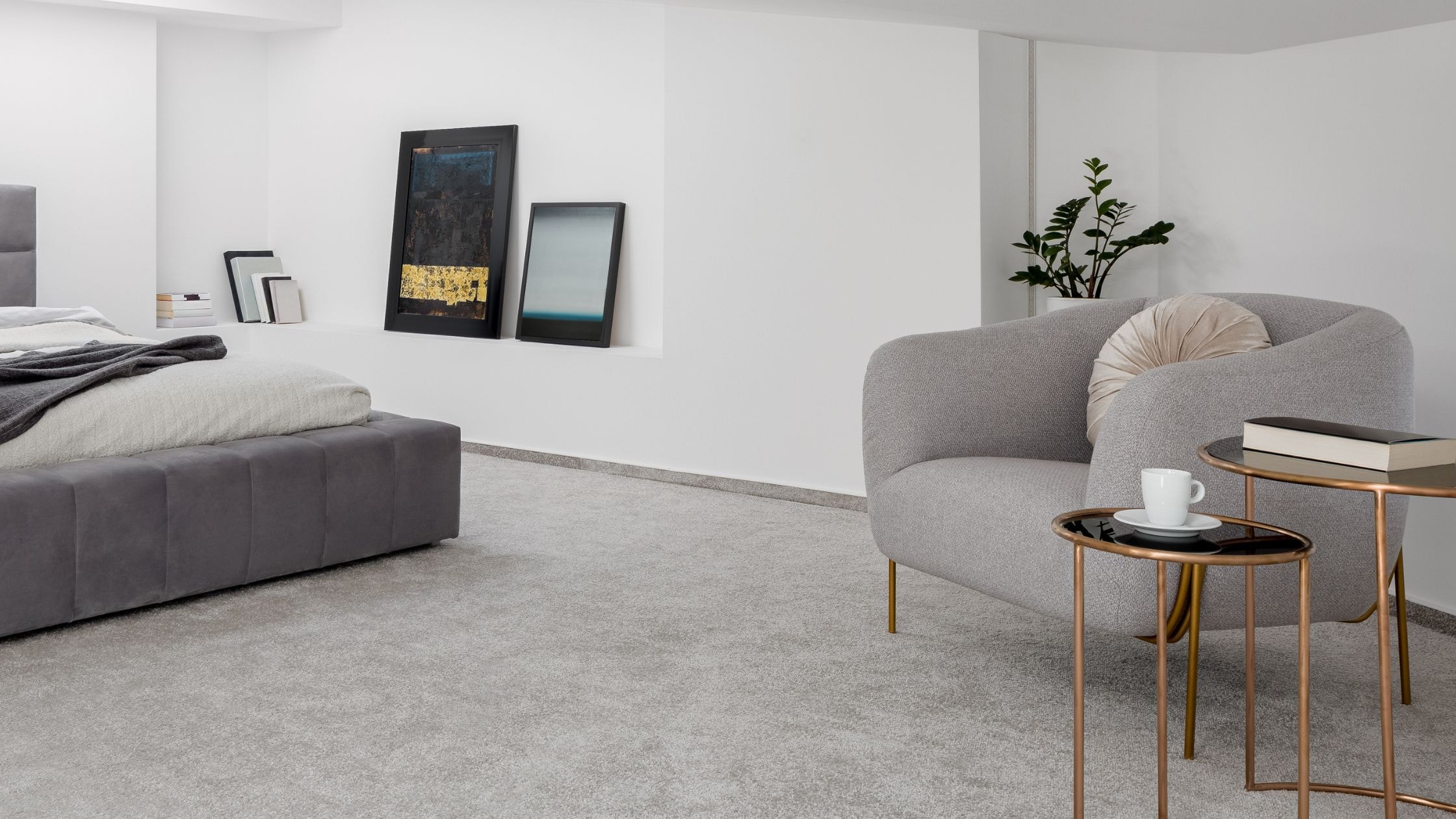
Carpet flooring offers several advantages that make it a popular choice for residential interiors. Beyond its appearance, carpeting provides cushioning, helps manage noise, and creates a comfortable surface for everyday activities. Selecting a durable product can also help the flooring withstand regular use while maintaining its texture and color.
For Medford homeowners, carpeting can be particularly appealing in bedrooms and shared living spaces where comfort matters. The right combination of carpet construction and padding contributes to a softer walking surface while supporting the flooring’s long-term performance.
Some of the primary benefits include:
-
Comfort: Carpet provides a cushioned surface that feels softer underfoot than most hard flooring materials. This makes it particularly appealing in bedrooms, family rooms, and other spaces where people frequently walk barefoot, sit, or relax on the floor. The right carpet padding can provide additional support without making the surface excessively soft.
-
Noise Reduction: Carpet fibers and padding help absorb some of the sound generated by footsteps, furniture movement, and everyday household activity. This can be especially useful in multi-story homes, upstairs bedrooms, and shared living spaces where noise travels between rooms. While carpeting won’t completely soundproof a home, it can contribute to a quieter indoor environment.
-
Safety: Carpeting generally provides more traction than many smooth hard flooring surfaces, which may help reduce certain slipping hazards. Its cushioned construction can also soften some impacts when falls occur. However, thick or plush carpet may make wheelchairs and walkers more difficult to maneuver, so flooring should be selected with the needs of household members in mind.
-
Style: Modern carpet is available in a wide selection of colors, patterns, fiber types, and textures. From neutral cut-pile carpeting to bold geometric designs, homeowners can choose materials that complement traditional, contemporary, or transitional interiors. Different carpet constructions can also create visual depth and make a room feel more inviting.
Quick Tip: Choose carpeting based on how each room will be used rather than selecting the same material for every space. Plush carpet can provide additional comfort in bedrooms, while dense, low-pile options often perform better in hallways, stairs, and busy living areas.
Carpet can also contribute to thermal comfort by providing insulation between your feet and the subfloor. The overall effect depends on carpet thickness, padding, and the home’s existing insulation, but carpeting may make certain rooms feel warmer during Medford’s cooler months.
For a more detailed explanation of comfort, acoustics, slip resistance, and other advantages, explore our Benefits of Carpet Flooring in Medford Homes guide.
Understanding the Carpet Installation Process: A Step-by-Step Guide
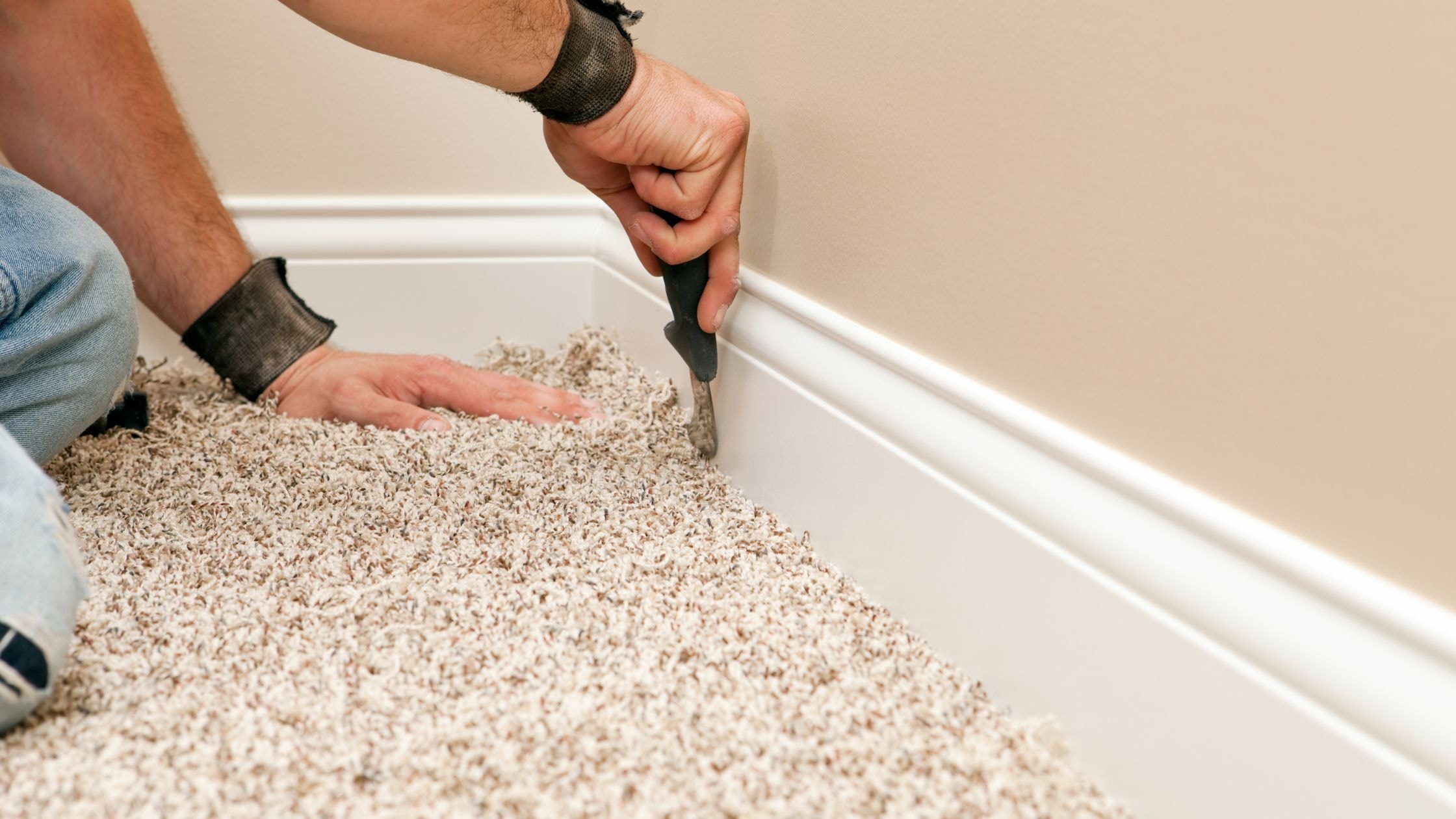
Installing new carpet requires careful planning to achieve a smooth, secure, and attractive finished floor. Although the process varies depending on room layout and flooring material, professional installers follow several important steps to prepare the space and position the carpet correctly.
Understanding these stages can help homeowners prepare for installation day and recognize why proper workmanship matters. Accurate measurements, subfloor preparation, and appropriate installation techniques all influence how well carpeting performs over time.
Here’s what the typical installation process involves:
-
Initial Consultation: The project begins with a discussion about your flooring preferences, budget, and how the space will be used. A flooring professional can help compare carpet materials, padding options, and installation requirements based on your household’s needs. Accurate measurements are also taken to determine material quantities and identify potential challenges.
-
Removal of Old Flooring: When replacing existing carpet, the old flooring and padding generally need to be removed before installation begins. Installers may also remove leftover fasteners, adhesives, or other materials that could interfere with the new carpet. Ask your flooring contractor whether removal and disposal are included in the installation estimate.
-
Surface Preparation: Once the existing flooring has been removed, the subfloor should be inspected for damage, moisture, and uneven areas. Loose boards, protruding fasteners, cracks, and other defects may require repairs before new padding and carpeting are installed. Preparing the surface helps reduce the likelihood of bumps, movement, and premature flooring problems.
-
Carpet Installation: The new carpet is cut, positioned, seamed when necessary, and secured using a method appropriate for the flooring product. Traditional residential installations commonly involve stretching carpet over padding and securing it along the room’s perimeter. Glue-down systems and carpet tiles use different techniques and are selected according to the materials and intended application.
Professional installation is especially important when working with large rooms, stairs, complex layouts, or carpet requiring specialized handling. Proper seam construction and stretching help reduce common problems such as loose edges, visible wrinkles, and premature wear.
After installation, the contractor should inspect the finished flooring and explain any relevant maintenance or warranty requirements. Homeowners should also check transitions, seams, and other visible details before considering the project complete.
For a closer look at each stage, read our Understanding the Carpet Installation Process guide. It explains how flooring selection, preparation, installation, and post-installation care contribute to a successful project.
What to Look for in a Carpet Installer in Medford, Oregon
Choosing a qualified carpet installer is just as important as selecting the right flooring material. Even high-quality carpeting can develop problems when it’s installed incorrectly, making workmanship an essential consideration for homeowners.
Experienced installers understand how carpet construction, subfloor conditions, and room layout affect the installation process. They can also identify potential concerns before work begins and recommend techniques appropriate for the materials being used.
When comparing carpet installers in Medford, consider the following:
-
Experience and Expertise: Look for installers with experience working with the type of carpeting you’ve selected. Installing plush carpet, low-profile commercial flooring, and patterned products can involve different techniques and requirements. Ask about similar projects they’ve completed and whether they follow manufacturer installation standards.
-
Customer Reviews and Reputation: Read reviews from previous customers to learn about the company’s reliability, communication, and finished workmanship. Pay attention to feedback describing how the installer handled unexpected problems or responded to concerns after installation. Detailed reviews can provide more insight than a star rating alone.
-
Transparent Pricing: Request a written estimate that clearly identifies materials, labor, preparation work, and any additional services. Carpet removal, furniture moving, subfloor repairs, and transition materials may affect the final cost. Understanding these expenses before work begins can help prevent surprises.
-
Warranty Coverage: Ask about both the carpet manufacturer’s warranty and any workmanship warranty provided by the installer. These warranties typically address different issues, so homeowners should understand what is covered and how installation-related concerns are handled.
-
Communication and Professionalism: Choose a contractor who explains the project clearly and responds to questions about scheduling, materials, and installation techniques. A dependable installer should also discuss any unexpected issues before proceeding with additional work.
Local experience can provide another advantage when working with homes in Southern Oregon. Installers familiar with different property styles may be better prepared to identify common flooring concerns, including uneven subfloors, older construction, and transitions between flooring materials.
A successful installation depends on both technical knowledge and the contractor’s approach to customer service. Taking time to evaluate these qualities helps homeowners choose professionals who can complete the project with care.
For additional guidance, visit our article on What to Look for in a Carpet Installer in Medford, Oregon. It provides practical recommendations for comparing installers, reviewing qualifications, and making an informed hiring decision.
Different Types of Carpet Installations: Pros and Cons
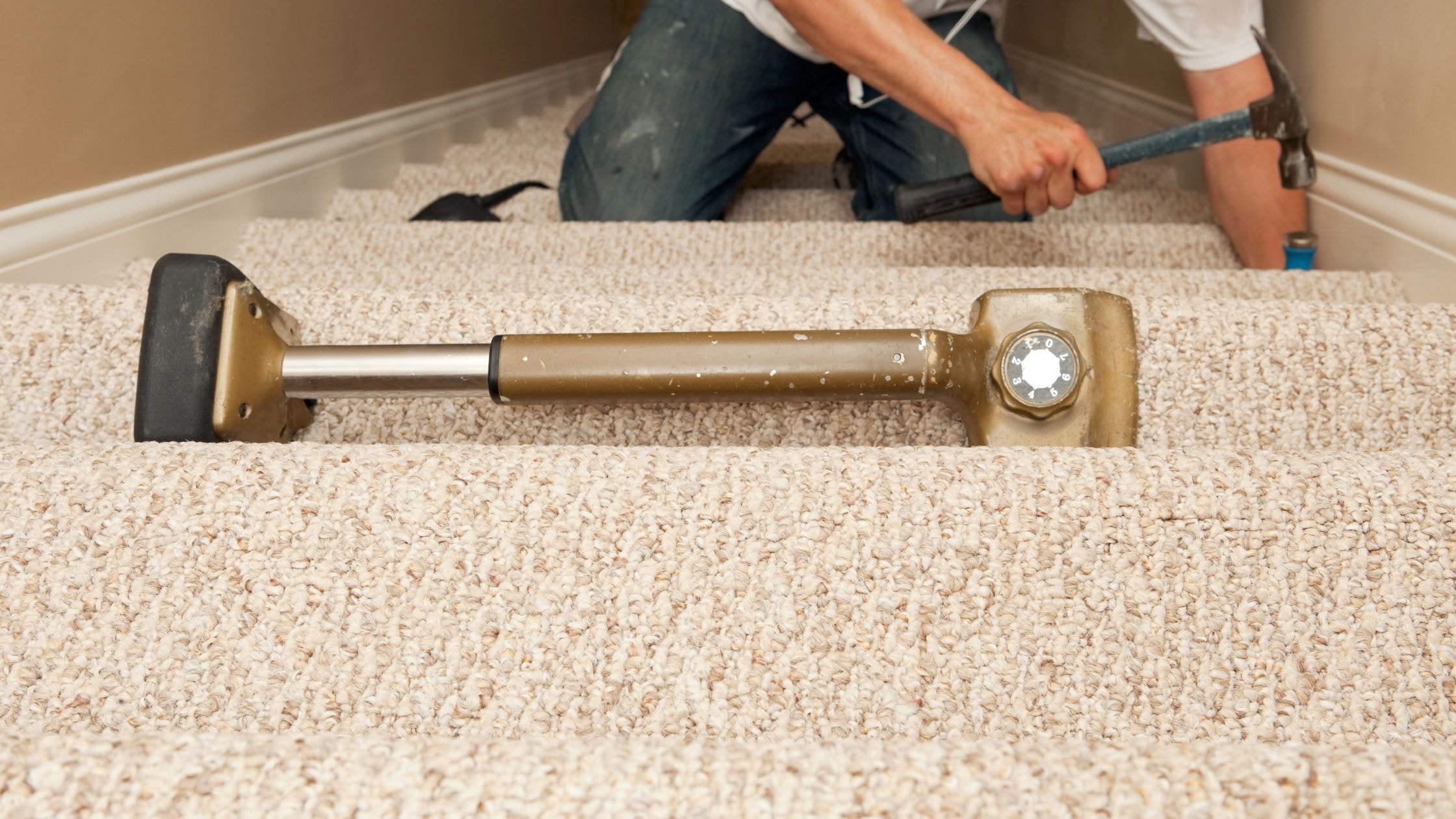
Carpeting can be installed using several methods, and the appropriate approach depends on the flooring product, subfloor condition, and how the room will be used. Traditional stretch-in installation is common in residential spaces, while glue-down systems and carpet tiles are frequently used in commercial applications.
Understanding the advantages and limitations of each method can help homeowners discuss installation options with their flooring contractor.
1. Stretch-In Installation
Stretch-in installation involves positioning carpet over a separate cushion and securing it to tack strips installed around the room’s perimeter. A professional installer uses specialized stretching equipment to create the proper tension across the flooring.
Pros:
-
Comfort: Separate carpet padding provides cushioning that makes the floor more comfortable for walking, standing, and relaxing. Different padding materials and densities allow homeowners to adjust the feel of their flooring while meeting manufacturer requirements.
-
Insulation and Noise Reduction: Carpet padding can help absorb impact sounds and provide an additional layer of thermal insulation. These characteristics make stretch-in carpeting particularly appealing for bedrooms, living rooms, and multi-level homes.
-
Replacement Flexibility: Since the carpet and padding aren’t permanently bonded to the subfloor, future removal may be easier than with certain glue-down systems.
Cons:
-
Requires Skilled Installation: Improper stretching can cause wrinkles, ripples, and premature wear. Using appropriate equipment and following manufacturer requirements are essential for achieving a secure fit.
-
Subfloor Preparation: Although padding provides cushioning, it cannot correct significant subfloor defects. Loose boards, uneven surfaces, and moisture problems should be addressed before installation.
Stretch-in carpeting is often an excellent choice for residential rooms where comfort and versatility are priorities. Its performance depends heavily on the quality of the padding and the installation techniques used.
2. Glue-Down Installation
Glue-down carpet installation involves bonding carpet directly to a prepared subfloor using an appropriate adhesive. This method creates a firm, stable surface without the cushioning typically associated with traditional stretch-in carpeting.
Pros:
-
Durability: Direct attachment limits carpet movement, making this method appropriate for certain high-traffic environments. It is frequently used in commercial properties where flooring experiences regular activity.
-
Stability: Because the carpet is secured to the subfloor, it generally experiences less shifting underfoot. This can be beneficial in spaces where rolling equipment or frequent movement makes a firm surface desirable.
Cons:
-
Less Cushioning: Without separate padding, direct glue-down carpeting usually feels firmer than stretch-in flooring. This may be less appealing in bedrooms or family rooms where softness is a priority.
-
More Difficult Removal: Adhesive bonding can make future carpet replacement more labor-intensive. Removing the flooring may also require additional subfloor preparation before a new material can be installed.
Glue-down systems are commonly selected for commercial spaces, although certain residential applications may also benefit from their stability. The subfloor must be properly prepared, and moisture conditions should meet the adhesive manufacturer’s requirements.
3. Carpet Tiles
Carpet tiles are individual flooring sections installed in a repeating or customized layout. They are available in different sizes, colors, and patterns, making them a flexible option for offices, commercial spaces, and certain residential rooms.
Pros:
-
Easy Replacement: Individual damaged tiles can often be removed and replaced without disturbing the surrounding flooring. This can simplify maintenance in areas where isolated stains or wear occur.
-
Design Flexibility: Carpet tiles allow homeowners and designers to combine colors, patterns, and installation directions. Their modular construction can create distinctive layouts suited to home offices, playrooms, and other spaces.
-
Practical Maintenance: Certain carpet tile products are designed for heavy traffic and can provide a stable surface when installed correctly.
Cons:
-
Visible Seams: Depending on the product and installation pattern, the edges between carpet tiles may remain noticeable. Homeowners seeking the appearance of continuous wall-to-wall carpeting may prefer traditional broadloom carpet.
-
Product and Installation Costs: Some carpet tile systems require specialized adhesives, preparation materials, or installation methods. Costs vary depending on the product, project size, and subfloor condition.
The best installation method depends on how the room will be used and the characteristics of the selected carpet. A professional flooring installer can explain which system provides the appropriate balance of comfort, durability, and maintenance.
For a more detailed comparison, explore our Different Types of Carpet Installations guide. It also covers self-adhesive carpet tiles, installation costs, and considerations for DIY versus professional work.
Carpet Maintenance and Longevity Tips in Medford, OR
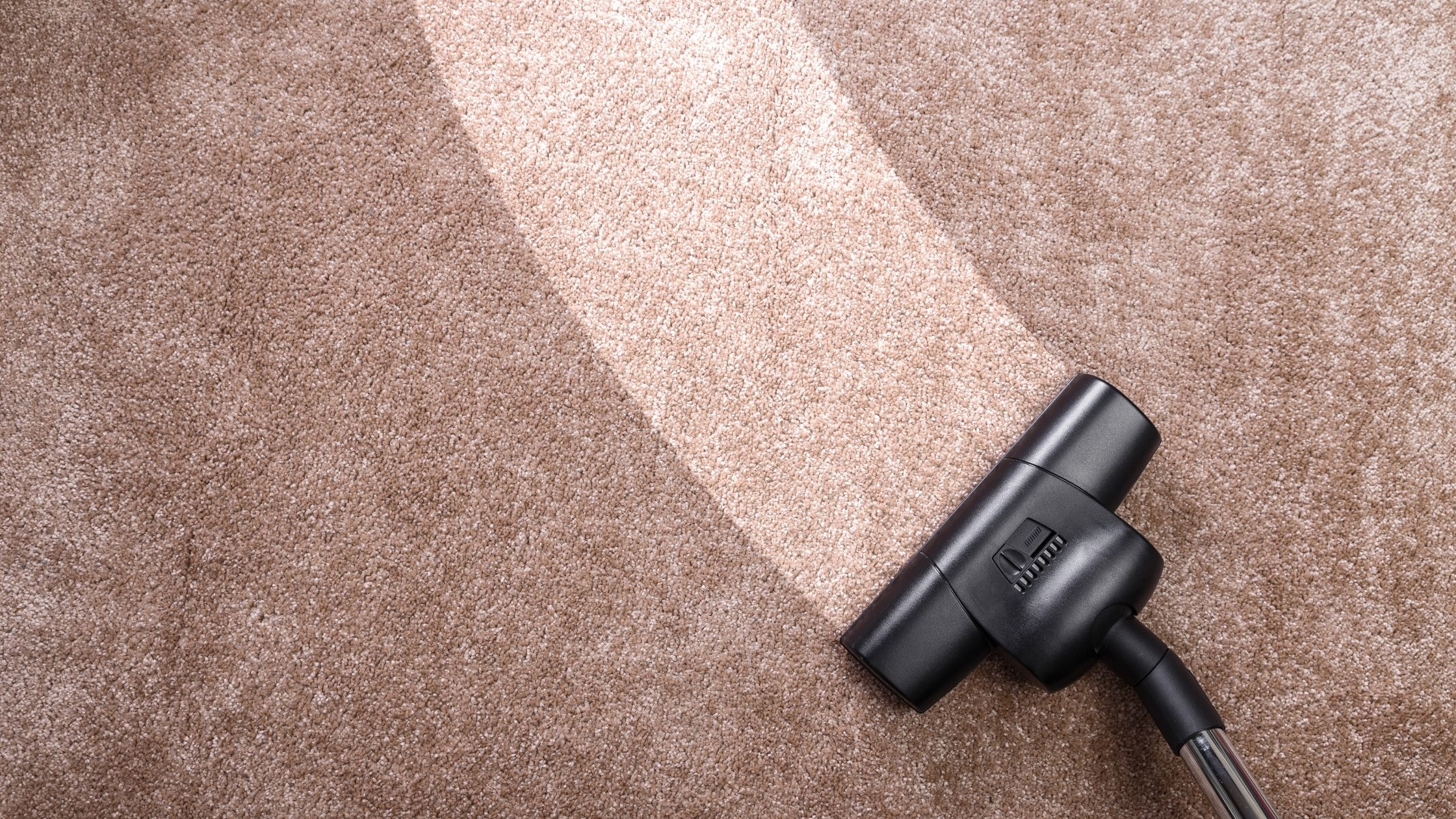
Keeping your carpeting in good condition requires consistent cleaning and attention to everyday wear. Dirt, dust, and other small particles can become embedded in carpet fibers, gradually affecting their texture and appearance.
A practical maintenance routine helps remove accumulated debris before it causes unnecessary damage. The appropriate cleaning schedule depends on the carpet material, household activity, and the amount of foot traffic each room receives.
Three essential maintenance practices include:
-
Regular Vacuuming: Vacuum carpeted rooms frequently to remove dirt before it settles deeper into the fibers. High-traffic areas such as hallways and living rooms may require more attention than lightly used bedrooms. Choose equipment compatible with your carpet’s construction and use controlled movements to improve cleaning results.
-
Spot Cleaning: Address spills as soon as possible to reduce the chance of permanent staining. Blot liquids with a clean white cloth rather than rubbing, and choose cleaning products appropriate for the carpet fiber. Avoid oversaturating the flooring because moisture can penetrate the backing and padding.
-
Professional Cleaning: Periodic professional cleaning helps remove embedded soil and residue that household vacuuming may not reach. Many carpet manufacturers recommend professional cleaning approximately every 12 to 18 months, although specific requirements vary. Follow your carpet’s warranty instructions and adjust the schedule based on household activity.
In addition to cleaning, consider placing runners or area rugs in frequently used spaces. These coverings can help reduce direct wear and collect debris before it becomes embedded in the carpeting underneath.
Furniture placement also affects how carpets age. Moving lightweight furniture occasionally and using appropriate furniture protectors can help reduce concentrated pressure and noticeable traffic patterns.
For additional cleaning techniques, preventative recommendations, and equipment guidance, read our Carpet Maintenance and Longevity Tips article.
Quick Tip: Inspect your carpet periodically for developing wrinkles, loose seams, and flattened areas. Addressing installation-related problems early can help prevent additional wear and extend the flooring’s usable life.
The Environmental Impact of Carpeting Choices in Medford, OR

Environmental considerations are increasingly important when homeowners compare flooring materials. Carpet manufacturing involves raw materials, energy, transportation, and eventual disposal, all of which influence a product’s overall environmental footprint.
Some carpet manufacturers offer products containing recycled materials, renewable fibers, or low-emission components. Understanding these options can help Medford homeowners select flooring that aligns with their environmental priorities while meeting everyday performance needs.
Three factors are worth considering:
-
Recycled Materials: Some synthetic carpets incorporate recycled polyester made from post-consumer plastic bottles or other recovered materials. Using recycled content can reduce demand for virgin resources while giving certain discarded materials another application. However, the product’s overall environmental impact also depends on manufacturing, durability, and disposal.
-
Low-VOC Carpets: Carpeting, padding, and adhesives may release volatile organic compounds, particularly when newly installed. Choosing products tested for low emissions can help reduce exposure to certain indoor air pollutants. Programs such as the Carpet and Rug Institute’s Green Label Plus certification provide information about products meeting specific emission requirements.
-
Carpet Recycling Programs: Recycling certain types of carpet and padding can help divert flooring materials from landfills. Availability depends on local collection facilities, material composition, and recycling infrastructure. Before removing old carpet, ask your flooring contractor whether suitable recycling or disposal options are available in your area.
Selecting sustainable carpeting involves more than choosing a product labeled environmentally friendly. Durability, installation quality, and maintenance all influence how often flooring needs to be replaced.
For example, a high-quality carpet that remains in good condition for many years may generate less replacement waste than a lower-quality product requiring frequent replacement. Choosing materials appropriate for your household and following recommended maintenance practices can support longer-term use.
Learn more about renewable fibers, recycled materials, and environmentally conscious flooring decisions in our guide to The Environmental Impact of Carpeting Choices.
The Best Carpets for Pet Owners

Homes with dogs and cats have unique flooring needs. Pet hair, claws, spills, and occasional accidents can place additional demands on carpeting, making material selection particularly important for long-term performance.
The best carpet for a pet-friendly home should balance durability, comfort, stain resistance, and ease of maintenance. Choosing the right fiber construction and backing can help protect your flooring from everyday activity.
When comparing pet-friendly carpet options, consider these features:
-
Stain-Resistant Carpets: Carpet fibers with stain-resistant properties can make certain spills and pet accidents easier to clean. Polyester and solution-dyed nylon are among the materials homeowners may consider, although actual performance depends on the product’s construction and treatment. Prompt cleanup remains important because no carpet is completely stain-proof.
-
Durable Weaves: Pets can place additional stress on carpet fibers through running, scratching, and regular movement. Dense, low-pile carpeting often provides better resistance to crushing and may be easier to vacuum. Certain loop-pile carpets can snag when exposed to claws, making construction an important consideration.
-
Odor-Absorbing Technology: Some carpet products include backing systems or treatments designed to help manage certain odors. However, these features don’t replace proper cleaning or prevent contamination from reaching the padding. Carpet padding with a moisture barrier may help limit how far surface spills penetrate, depending on the product and installation.
Regular pet grooming and vacuuming can also make carpeting easier to maintain. Removing loose fur before it accumulates and cleaning pets’ paws after outdoor activity may reduce the amount of debris reaching your flooring.
When accidents occur, choose an enzymatic cleaner appropriate for the carpet material and follow the manufacturer’s instructions. Persistent odors may indicate that moisture has reached the padding or subfloor and requires additional attention.
Quick Tip: Consider carpet color and texture when selecting flooring for a home with pets. Medium tones and subtle patterns may help conceal minor pet hair and traffic marks more effectively than extremely light or dark solid colors.
For additional recommendations covering fiber types, carpet construction, padding, and maintenance, explore our guide to The Best Carpets for Pet Owners.
Carpet Trends 2024: Colors, Patterns, and Textures
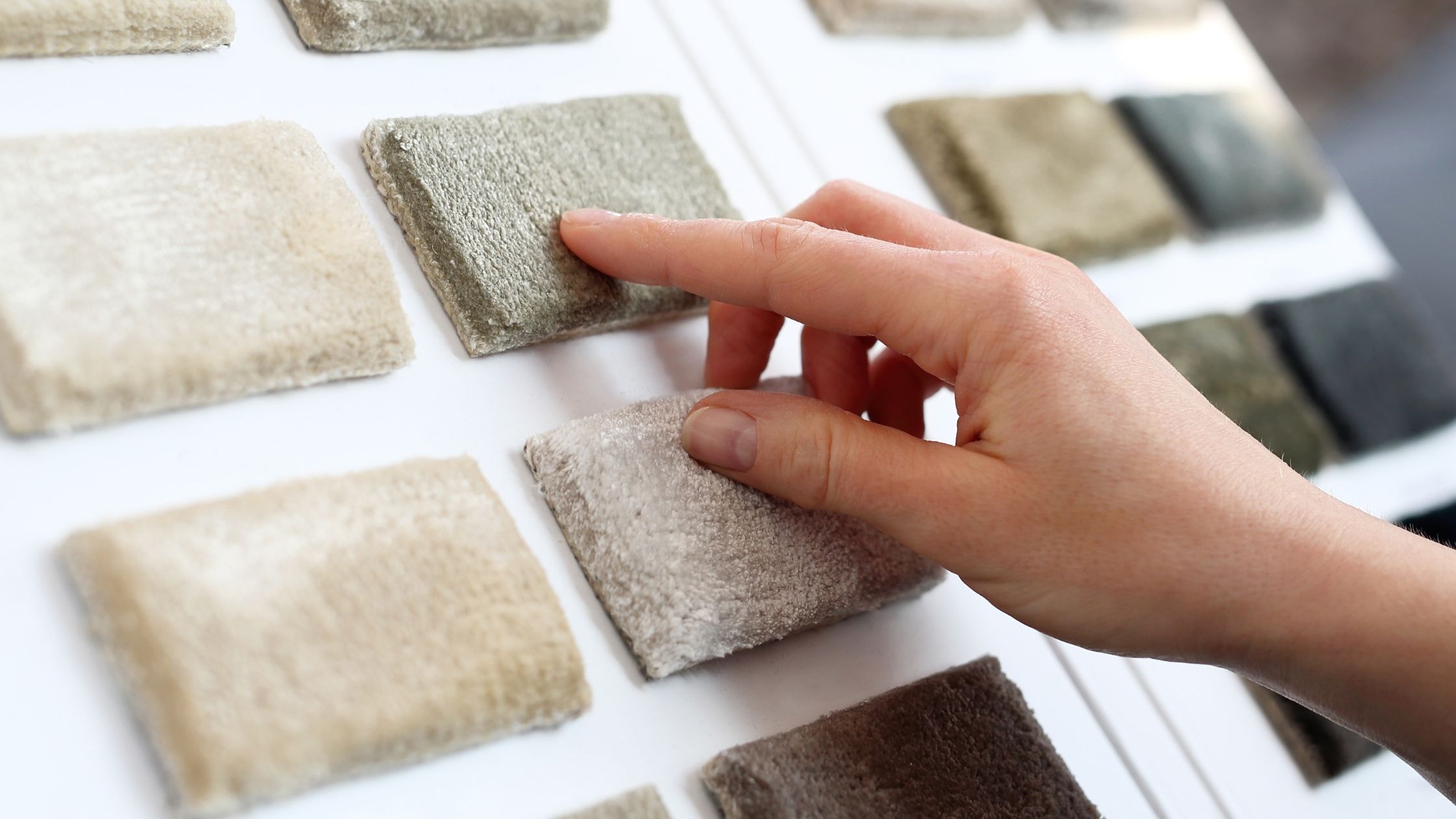
Carpet design in 2024 reflected growing interest in expressive colors, nature-inspired patterns, and textured flooring. Homeowners explored styles that moved beyond traditional neutral carpeting while still prioritizing comfort and practicality.
The year’s trends offered inspiration for both contemporary and traditional interiors. From richly colored wall-to-wall carpet to textured surfaces that added dimension, flooring became an important part of creating distinctive living spaces.
A 2024 Vogue article about colorful wall-to-wall carpet highlighted renewed interest in statement flooring and the use of bold colors throughout residential interiors.
Several design directions stood out during that period:
-
Colors: Deep greens, soft blues, and earthy neutrals were popular choices for homeowners seeking a connection to natural surroundings. Richer shades could create dramatic spaces, while muted tones offered a calming foundation for furniture and accessories. The appropriate color depended on the room’s lighting, existing finishes, and overall design.
-
Patterns: Geometric designs and nature-inspired motifs added visual interest to carpeting. Subtle patterns worked well in rooms where homeowners wanted texture without a strong statement, while larger geometric designs could become the focal point of a contemporary interior. Patterned carpets could also help conceal minor dirt and everyday traffic marks.
-
Textures: Plush carpeting, high-low constructions, and cut-and-loop styles introduced dimension and comfort. Different pile heights created distinctive visual effects, allowing homeowners to select flooring that complemented their preferred design style. The best texture also depended on traffic levels and maintenance requirements.
Did You Know? Earth-inspired carpet colors were a notable part of 2024’s interior design trends. Shades influenced by stone, soil, plants, and other natural elements offered homeowners ways to create warm, cohesive interiors.
Although specific trends change over time, many of these design elements remain useful sources of inspiration. Rather than selecting carpet based entirely on popularity, consider which colors, patterns, and textures will continue to complement your home.
For a closer look at the styles associated with that year, visit our Carpet Trends 2024: Colors, Patterns, and Textures article.
Find Your Dream Carpet Today

Choosing new carpet flooring is an opportunity to improve your home’s appearance, comfort, and everyday functionality. From soft bedroom carpeting to durable materials designed for busy family rooms, the right flooring depends on your lifestyle, design preferences, and long-term expectations.
Understanding the benefits of different carpet fibers and installation methods can help you make informed decisions before starting your project. Proper padding, careful preparation, and professional installation all contribute to flooring that feels comfortable and maintains its appearance.
Regular cleaning and preventative maintenance are equally important after installation. Vacuuming, prompt stain removal, and periodic professional care can help protect carpet fibers and reduce premature wear.
At Oregon Floor Works, we help homeowners throughout Medford and Jackson County find carpeting that complements their homes and daily routines. Whether you’re interested in plush textures, modern patterns, pet-friendly materials, or environmentally conscious flooring options, our team can help you explore products suited to your needs.
We understand that flooring is an investment in your home, which is why careful planning and dependable installation matter. Our goal is to help customers make confident decisions about materials, preparation, and the installation process.
Whether you’re renovating an existing home or selecting flooring for a newly constructed property, choosing experienced professionals can help create a finished space that’s both attractive and practical.
Explore our Oregon Floor Works Carpet Flooring Services to learn more about available flooring options and professional installation in Medford, OR.
With the right materials, installation, and maintenance, new carpet can provide warmth, comfort, and style for years to come.