Peel-and-stick vinyl flooring offers an appealing way to refresh a room without the tools or installation methods required for traditional tile or hardwood. Available in wood-look planks, stone-inspired designs, and decorative patterns, these self-adhesive products make smaller flooring updates more accessible to homeowners interested in DIY renovations.
However, peel-and-stick vinyl flooring isn’t necessarily the easiest solution for every room. Its performance depends heavily on the surface beneath it, the quality of the adhesive, and the amount of traffic or moisture the floor experiences. A product that works well in a lightly used bedroom may struggle in a busy entryway or laundry room.
Before choosing peel-and-stick flooring, it’s worth understanding where these products perform best, what can cause them to fail, and how they compare with more permanent flooring options.
Understanding Peel and Stick Vinyl Flooring
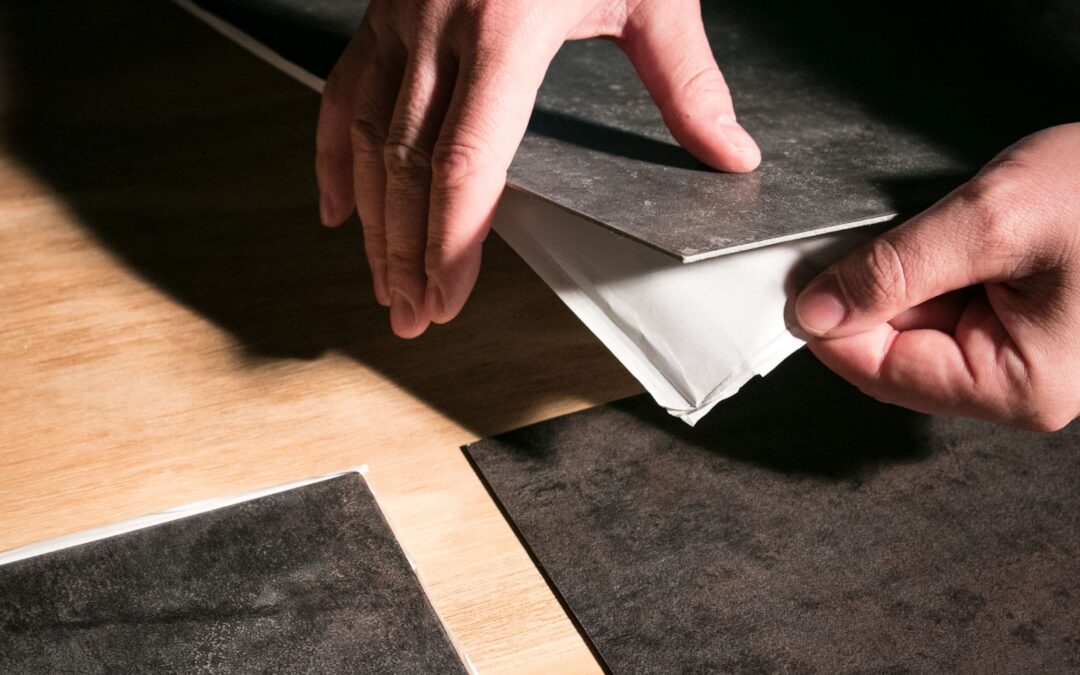
Peel-and-stick vinyl flooring consists of individual tiles or planks with a pressure-sensitive adhesive applied to the underside. A removable paper or film protects the adhesive until installation. Once the backing is removed, the flooring is positioned and pressed onto a compatible prepared surface.
Unlike click-lock luxury vinyl plank, which typically floats over the subfloor, self-adhesive vinyl relies on direct contact between the adhesive and the surface beneath it. This distinction makes preparation especially important. Dust, moisture, residue, or an incompatible surface can prevent the material from bonding properly.
Products vary in thickness, construction, surface texture, and adhesive performance. Basic vinyl tiles are often relatively thin, while some premium self-adhesive products feature more substantial wear layers and realistic embossed finishes.
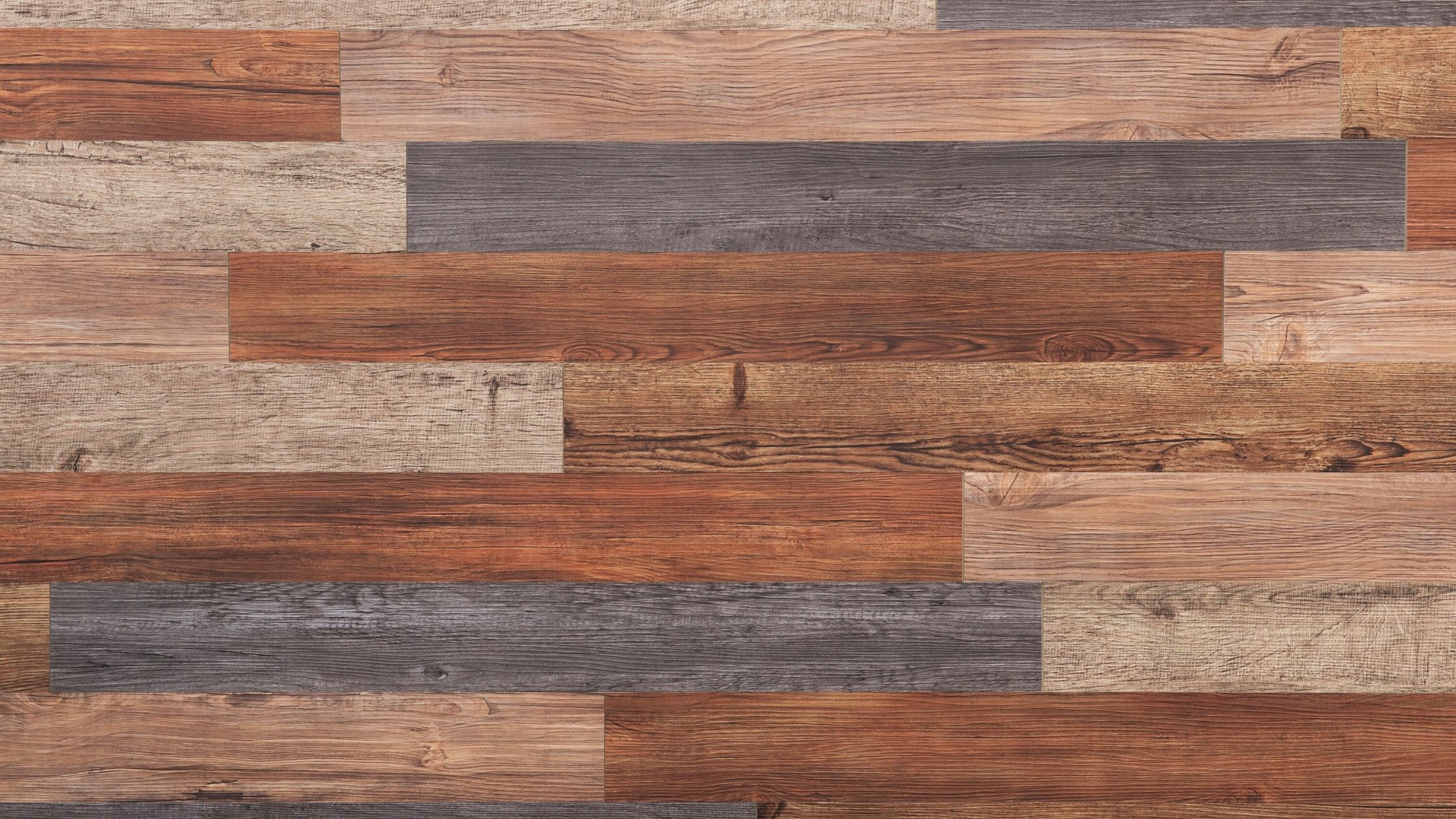
Wood-look designs can resemble oak, walnut, or weathered timber, while stone-inspired options reproduce the appearance of slate, marble, and concrete. Decorative tiles also offer geometric patterns and colors that can create a distinctive look without installing ceramic tile.
Although the application process is relatively straightforward, the product should always be selected for the room’s intended use. Adhesive compatibility, temperature requirements, and moisture limitations matter just as much as the appearance of the flooring.
The Advantages of Stick Tile Floors
Budget-Friendly Installation
One of the biggest advantages of peel-and-stick vinyl is its relatively low installation complexity. Many products can be cut with a sharp utility knife and applied without mortar, grout, or specialized flooring equipment.
This makes self-adhesive flooring attractive for smaller projects where homeowners want to update a dated surface without committing to an extensive renovation. A compact laundry area, home office, or guest room may be easier to refresh using individual adhesive tiles than with materials requiring additional installation systems.
However, the overall savings depend on the condition of the existing floor. If the surface requires removal, extensive patching, moisture treatment, or other preparation, the project may become more involved than expected.
It’s also important to consider the expected lifespan. An inexpensive product that requires replacement sooner may not offer better long-term value than a more durable alternative.
Versatility Across Spaces
Peel-and-stick flooring is available for several residential applications, particularly rooms with stable indoor temperatures, relatively smooth surfaces, and manageable foot traffic.
Bedrooms, closets, home offices, and certain utility areas may be suitable candidates. Some products are also approved for kitchens and other spaces where occasional spills occur, although suitability depends on the manufacturer’s installation requirements.
The material’s relatively thin profile can be useful when replacing flooring in areas where raising the finished floor height would create awkward transitions. However, installing over an existing surface is only appropriate when that surface is approved, secure, and properly prepared.
High-traffic locations require more consideration. Entryways exposed to rain, dirt, and grit place greater demands on both the adhesive and the protective surface. For Southern Oregon homeowners, moisture tracked indoors during wet weather can make product selection particularly important.
Before purchasing, confirm that the selected flooring is approved for the room rather than assuming all peel-and-stick vinyl products perform equally well.
Design Flexibility
Self-adhesive vinyl offers more decorative variety than many homeowners expect. Wood-inspired planks can create a familiar residential appearance, while stone-look tiles provide an alternative to ceramic or natural stone.
Some collections feature patterned designs suited to bathrooms, laundry rooms, and smaller accent areas. Others focus on neutral colors and realistic surface textures that blend with existing cabinets, countertops, and furnishings.
The size and shape of the tiles also influence the finished appearance. Larger pieces may create fewer visible joints, while smaller tiles can accommodate certain layouts and decorative patterns more easily.
Consider how the design will look across the entire room rather than judging it from one sample. Repeating patterns and visible seams can become more apparent over larger areas.
Ordering extra material from the same production run can also help maintain a consistent appearance while providing replacement pieces for future repairs.
Potential Drawbacks to Consider
Durability Concerns
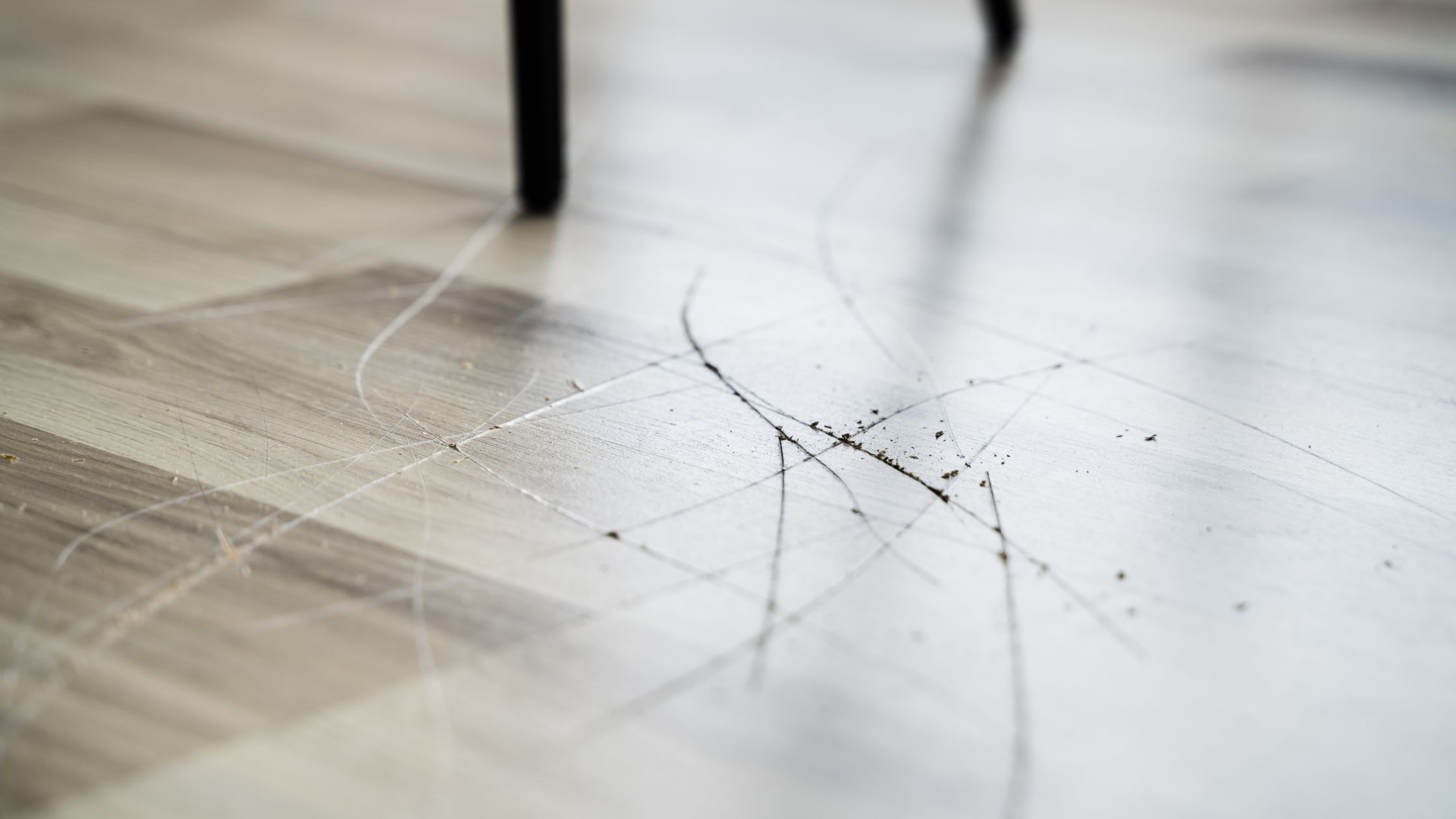
Peel-and-stick vinyl isn’t designed to perform exactly like every other type of luxury vinyl flooring. Many self-adhesive products are thinner than rigid-core planks, which can make them more vulnerable to surface imperfections, indentations, and certain forms of damage.
Heavy furniture may leave permanent impressions, while dragged objects or sharp impacts can scratch or tear the protective surface. Some products handle everyday wear better than others, so the quality of the wear layer deserves attention.
Adhesive performance is another concern. Edges may begin lifting if the underlying surface wasn’t properly prepared or if the product is exposed to conditions outside its recommended range.
Seams can be particularly vulnerable in spaces where moisture, cleaning residue, or tracked-in dirt accumulates.
For homes with large dogs, active children, or heavily used entryways, compare the selected product’s durability specifications with other flooring materials before assuming peel-and-stick vinyl will be the most economical choice.
Surface Preparation Requirements
The convenience of self-adhesive flooring comes with an important limitation: the adhesive needs a suitable surface to create a reliable bond.
Existing flooring may appear smooth while still containing wax, residue, loose material, or irregularities that interfere with adhesion. Thin vinyl can also reveal the shape of grout lines, fastener heads, and other imperfections beneath the finished floor.
Wood subfloors may require an approved underlayment or patching system, while concrete can need additional moisture evaluation and surface preparation.
Not every existing flooring product is suitable for direct application. Cushioned vinyl, textured surfaces, damaged materials, and certain coatings may need to be removed or treated before installation.
Temperature also affects installation. Adhesives have specific working and service conditions, so both the flooring material and room should meet the manufacturer’s requirements.
A clean-looking floor isn’t necessarily installation-ready. Confirming the condition and compatibility of the existing surface is one of the most important parts of the project.
Limited Repair Options
Individual peel-and-stick tiles can sometimes be replaced without removing the entire floor. However, the ease of repair depends on the strength of the adhesive, the surrounding material, and the condition of the underlying surface.
Removing a damaged piece may leave adhesive residue or disturb nearby tiles. Depending on the product, additional surface preparation may be necessary before installing a replacement.
Reusing an existing tile generally isn’t advisable unless the manufacturer specifically permits it. Once the adhesive has been disturbed, it may no longer provide the same bond.
Matching replacement material can also become difficult if the original color or pattern has been discontinued.
Keeping several unused tiles from the original installation can make future repairs easier and help maintain a consistent appearance.
DIY Installation Tips for Success
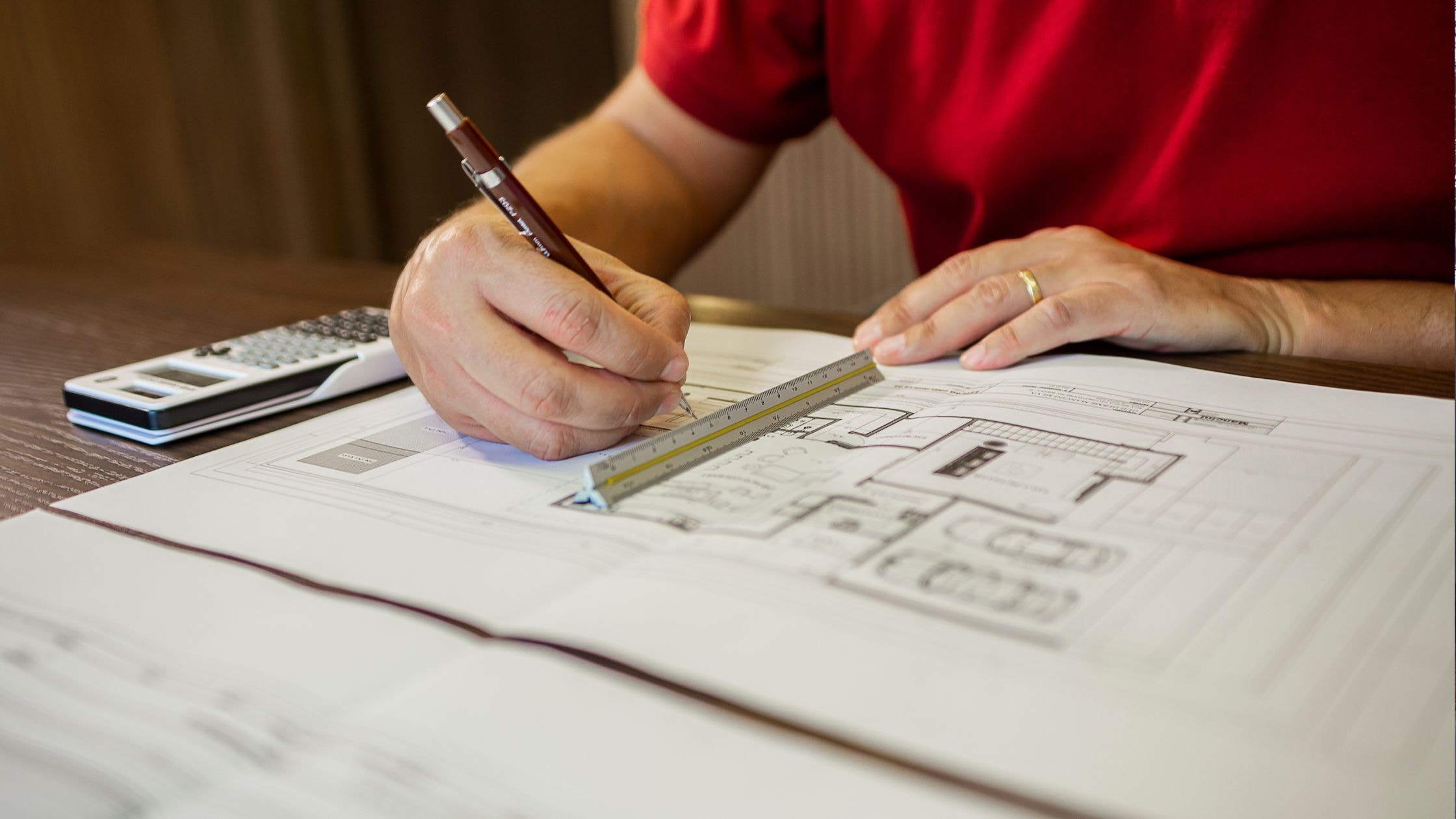
Prepare the Surface
A successful peel-and-stick installation begins with a surface that is clean, dry, smooth, structurally sound, and approved for the selected adhesive flooring.
Remove dirt, wax, grease, and other contaminants that could interfere with bonding. Inspect the area for loose materials, cracks, gaps, or irregularities that might become visible through the finished vinyl.
A straightedge can help identify uneven areas. Appropriate patching compounds or underlayment products may be necessary depending on the existing subfloor.
Concrete requires particular attention because its surface condition and moisture levels affect adhesive performance. Installing self-adhesive flooring over an unsuitable concrete slab can result in lifting or separation even when the tiles were initially pressed firmly into place.
Allow cleaning products and patching materials to dry or cure as directed before applying adhesive flooring.
Avoid sanding or disturbing unknown older flooring materials until potential hazardous materials, such as asbestos-containing flooring or adhesive, have been properly evaluated.
Plan the Layout
Even though peel-and-stick vinyl doesn’t require mortar or complicated locking systems, layout still matters.
Measure the room and consider where the seams will fall. A balanced pattern can prevent narrow pieces from appearing along prominent walls or doorways.
Dry-fitting several tiles before removing their backing helps reveal how the pattern will look and whether adjustments are necessary. This is particularly useful with decorative tiles, stone-look designs, and wood-grain patterns that repeat across multiple pieces.
For plank-style products, consider whether a staggered layout creates the best appearance. Some decorative tiles work better with aligned joints, while other patterns require a particular orientation.
The ideal starting location depends on the room and product. A center reference line can be helpful for symmetrical layouts, but prominent sightlines or architectural features may influence the final positioning.
Taking time to plan before exposing the adhesive reduces wasted material and makes the finished installation more cohesive.
Installation Process
Peel-and-stick vinyl flooring is designed for direct application to a compatible substrate, but the exact handling method varies by manufacturer.
Many products require the backing to be removed immediately before positioning the tile. The adhesive surface should be kept free of dust, oils, and debris, and the piece should be aligned carefully before applying pressure.
Once placed, the material generally needs to be pressed or rolled according to the product’s instructions. Some manufacturers specify a particular roller weight or application procedure to achieve adequate contact between the adhesive and the subfloor.
Relying on hand pressure alone may not provide the contact required by certain products.
Cutting is often relatively simple with a sharp utility knife and straightedge, although thicker materials or complicated shapes may require additional tools. Accurate measurements around door frames, vents, and other fixed features help minimize visible gaps.
Avoid washing the prepared subfloor immediately before placement unless the manufacturer specifically instructs you to do so. Residual moisture can interfere with adhesive performance.
For homeowners comparing other installation systems, The Ultimate Guide to Flooring Installation for Homeowners explains the differences between common flooring materials and preparation methods.
You can also explore How to Install Vinyl Plank Flooring to understand how click-lock vinyl installation differs from self-adhesive products.
Waterproof Options for Wet Areas
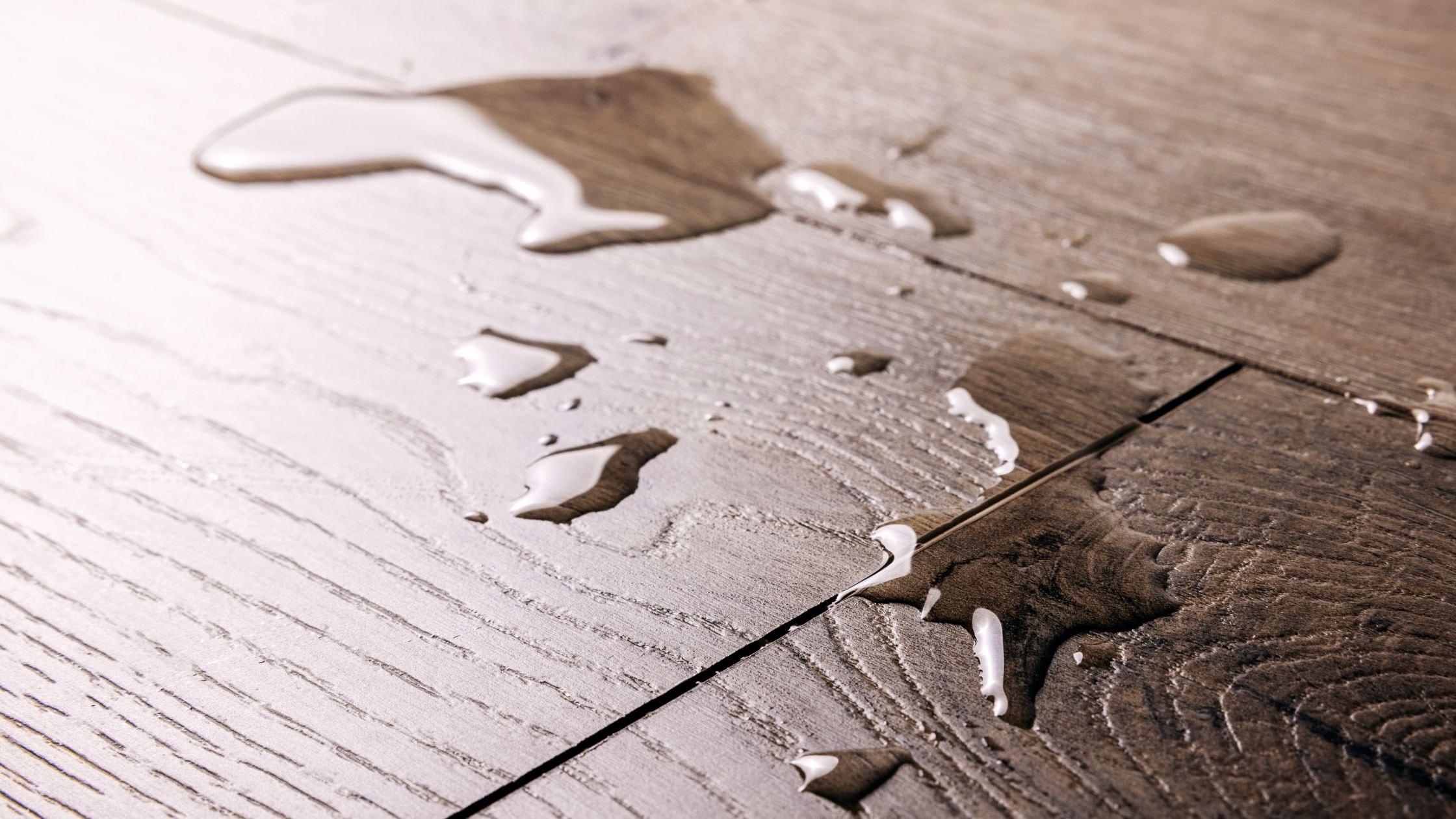
Water resistance is one of the most misunderstood characteristics of peel-and-stick vinyl flooring.
The vinyl material itself may resist water absorption, but that doesn’t mean the seams, adhesive, or complete flooring installation are waterproof. Liquid can potentially enter between tiles or around the perimeter and reach the surface beneath.
This distinction is especially important in bathrooms, laundry rooms, and entryways where standing water or repeated moisture exposure may occur.
Some peel-and-stick products are approved for areas with occasional spills, while others are intended primarily for dry interior rooms. A product labeled waterproof should still be evaluated for its adhesive limitations and approved installation locations.
For example, a vinyl tile might resist damage from water on its surface while moisture beneath the tile causes the adhesive to release.
Peel-and-stick flooring also shouldn’t be used as a substitute for a waterproofing assembly in showers, wet rooms, or other applications where waterproof construction is required.
For Medford homeowners considering flooring near exterior entrances or laundry appliances, product suitability should be based on the manufacturer’s specifications and the room’s actual moisture exposure.
When frequent spills or significant water exposure are expected, professionally installed luxury vinyl, porcelain tile, or another appropriate flooring system may be the better long-term option.
Maintenance and Longevity
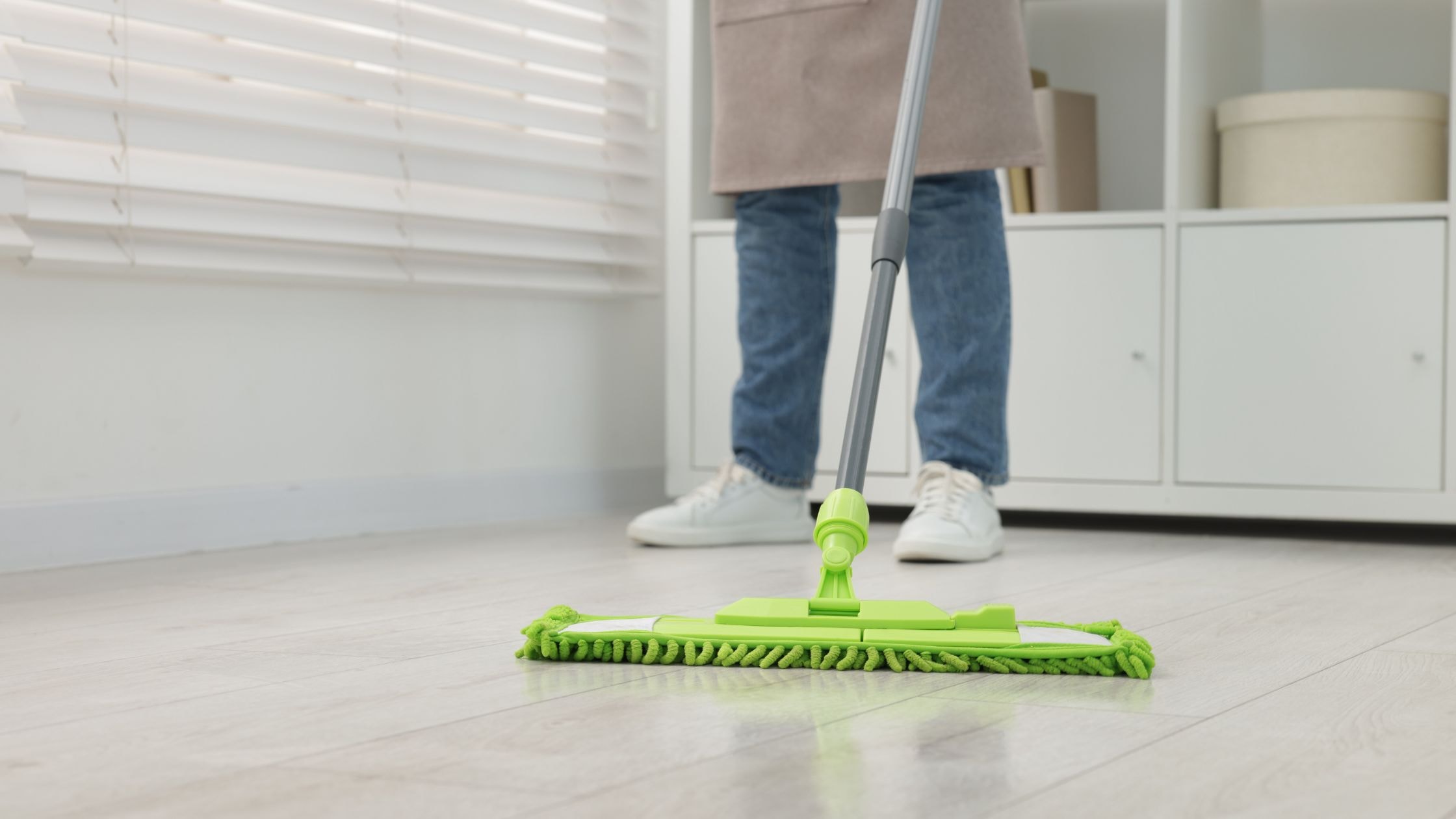
Regular care extends the life of these floors. Sweep or vacuum daily to remove dirt and grit that can scratch the surface. Damp mop with mild cleaners designed for vinyl products. Avoid harsh chemicals or abrasive scrubbing tools that damage the wear layer.
Place protective pads under furniture legs to prevent indentations. Use rugs in high traffic areas to reduce wear patterns. These simple precautions help floors maintain their fresh appearance for the maximum possible time. Easy maintenance routines keep floors looking new with minimal effort.
According to the Family Handyman, proper installation and maintenance can help peel and stick floors last five to ten years, depending on the quality of the product and the demands placed on the surface.
Special Considerations for Concrete Subfloors
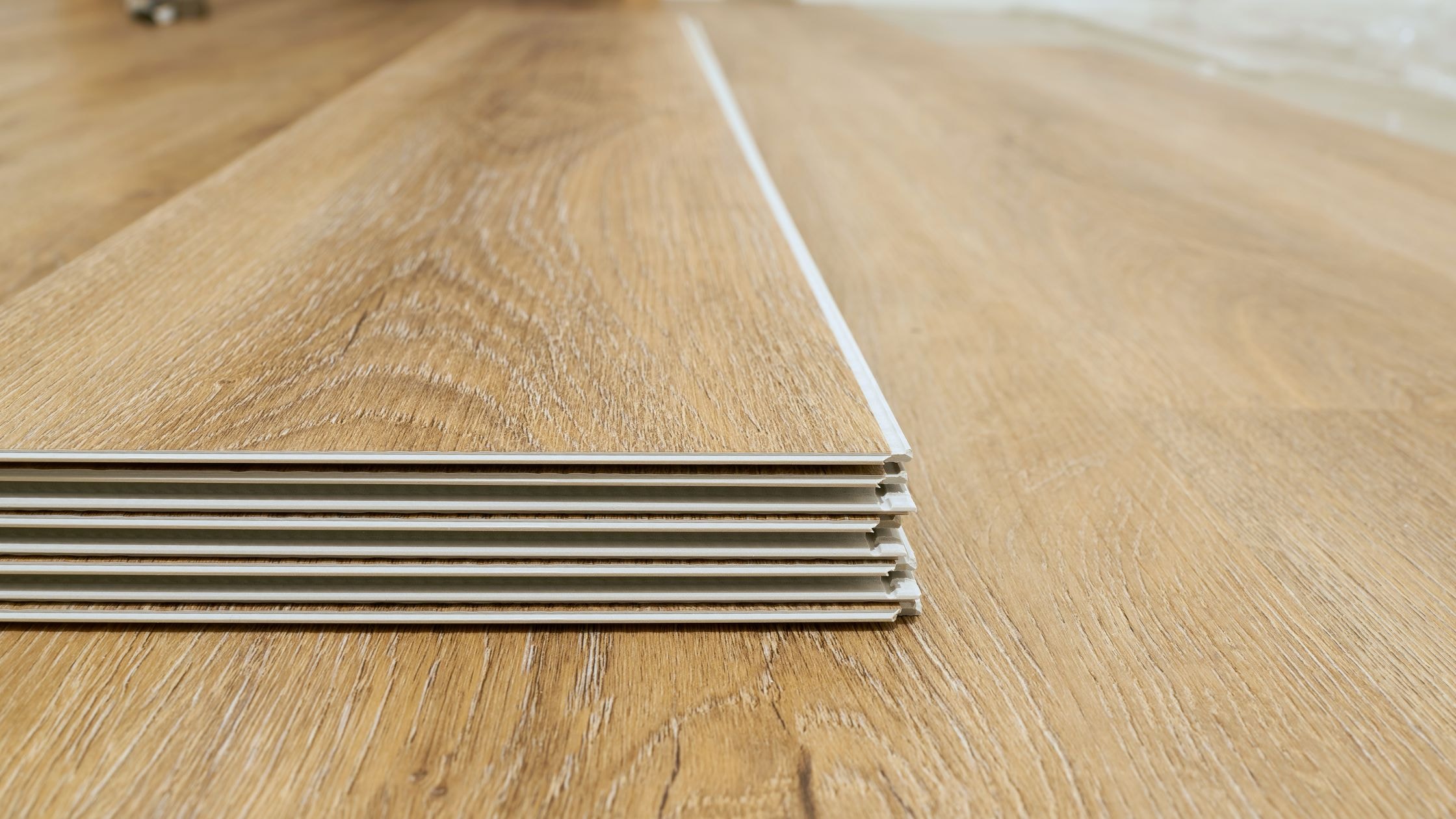
Concrete presents unique challenges for peel and stick installation. The porous nature of concrete absorbs moisture from the air, which can weaken adhesive bonds. Seal concrete floors with appropriate primer before installation begins. This barrier prevents moisture transfer and creates an ideal surface for the stick adhesive to grab.
Temperature fluctuations affect concrete more than other subfloor materials. Cold concrete in basements may require additional preparation to ensure proper adhesion. Allow the space to reach room temperature before beginning installation. Store the peel and stick tiles in the room for 48 hours prior to installation, allowing them to acclimate to the concrete temperature.
The hard, unforgiving nature of concrete makes cushioned peel and stick options appealing. These products include foam backing that provides comfort underfoot while maintaining easy installation. The extra padding also helps mask minor imperfections in the concrete surface.
Expanding Design Access
The variety of available designs gives homeowners access to styles once reserved for high-end installations. Blue subway tile patterns bring modern farmhouse charm to kitchens at a fraction of traditional tile costs. Peel and stick options make designer looks accessible to everyone, regardless of budget constraints.
Rental properties gain particular benefit from the easy access these floors provide to updated aesthetics. Landlords update units between tenants without major renovations. Renters personalize spaces with permission, knowing the floors peel up when moving day arrives. This flexibility benefits both property owners and occupants.
Making the Right Choice
Peel-and-stick vinyl flooring can be a practical choice for certain smaller renovations, especially when the existing floor provides a compatible surface and the room doesn’t experience excessive moisture or heavy traffic.
Its advantages include accessible installation, a wide range of designs, and relatively simple cutting and fitting. However, adhesive limitations, subfloor preparation, and potential replacement needs should be considered before choosing it over other flooring materials.
For homeowners planning a long-term renovation, luxury vinyl plank, laminate, tile, or another professionally installed material may provide a better match for the space.
If you’re comparing self-adhesive vinyl with a more permanent hard-surface option, our guide to Tile Flooring Installation: What Every Homeowner Should Know explains the preparation and installation requirements associated with ceramic and porcelain tile.
Households with children or pets may also benefit from reviewing Choosing the Right Flooring for Pets and Families, which explores how common flooring materials handle scratches, spills, moisture, and daily wear.
The best flooring decision considers more than how quickly a product can be installed. The condition of the subfloor, maintenance expectations, room conditions, and long-term durability all contribute to whether a particular flooring system makes sense.
For homeowners in Medford and throughout Jackson County, Oregon Floor Works provides professional flooring services, including luxury vinyl, laminate, hardwood, carpet, and tile installation. Our team can help evaluate the existing surface and recommend materials appropriate for your home’s needs.
Contact Oregon Floor Works at (541) 500-0531 to discuss your flooring project and explore options for a durable, attractive finished floor.