

Replacing worn carpet can make a noticeable difference in how a home looks, feels, and functions. From adding warmth to bedrooms to making living areas more comfortable, the right carpet can create a welcoming space while standing up to everyday use. However, choosing a quality product is only part of the project. Proper installation is just as important for preventing wrinkles, premature wear, and uneven areas.
For homeowners considering carpet installation in Phoenix, OR, factors such as existing subfloor conditions, carpet construction, padding selection, and room layout all influence the finished result. A successful project starts with understanding what your home needs rather than simply selecting a color and scheduling installation.
Whether you’re updating an older Phoenix property, replacing flooring in a newer home, or renovating a house after years of wear, knowing what to expect can help you make a more informed flooring decision.
Understanding Phoenix OR Housing Characteristics

Homes throughout Phoenix, Oregon, reflect different periods of construction, from established residential neighborhoods to newer developments and rebuilt properties following the 2020 Almeda Fire. These differences can influence the condition of the existing floors and the preparation necessary before installing new carpet.
In older homes, removing existing flooring may expose plywood subfloors, original hardwood, uneven surfaces, or previous repairs. While these conditions don’t automatically prevent carpet installation, they should be evaluated before new padding and carpet are installed.
For example, a slightly uneven subfloor may require preparation to prevent noticeable irregularities beneath the carpet. Loose panels, damaged sections, or squeaking floors may also need attention before the new material covers them.
Newer and recently rebuilt homes can present different considerations. Homeowners may be selecting carpet for the first time or coordinating it with luxury vinyl, tile, or other hard-surface flooring in adjoining rooms.
Phoenix’s Rogue Valley location also creates seasonal differences worth considering. Dry summer conditions can bring dust indoors, while rainy weather increases the likelihood of moisture and debris being tracked through entryways. Choosing carpet appropriate for the room and maintaining the indoor environment can help protect its appearance.
The existing floor matters just as much as the new carpet. Evaluating the surface before installation provides an opportunity to address problems that would otherwise remain hidden beneath the finished flooring.
Carpet Install Phoenix OR: Choosing the Right Materials

The best carpet for a Phoenix home depends on how the room is used, how much foot traffic it receives, and whether pets or children are part of the household. Carpet fiber, construction, pile height, and padding all affect comfort and long-term performance.
Nylon carpet is a common choice for active households because quality products can provide good resilience and resistance to crushing. This makes it worth considering for family rooms, hallways, and stairs where frequent traffic can flatten less resilient fibers.
Polyester offers a wide variety of colors and soft textures, with many products providing good stain resistance. However, performance can vary considerably between products, particularly in areas exposed to heavy traffic.
Wool carpet provides a natural fiber option with a distinctive appearance and good resilience. It typically requires more specialized care and may not be the best fit for every household.
Carpet construction deserves equal attention. Dense, low-profile styles may be practical in heavily used areas, while textured cut-pile carpet can provide a softer appearance and help disguise certain footprints or vacuum marks. Loop-pile styles offer a different texture, although households with pets should consider whether claws could catch exposed loops.
Why Carpet Padding Matters
Padding is one of the most overlooked parts of carpet installation. It influences how the floor feels underfoot and can help support the carpet against daily compression and movement.
A thicker pad isn’t automatically better. Excessively soft or thick padding can allow too much movement beneath certain carpets, potentially contributing to accelerated wear or installation problems.
Carpet manufacturers typically specify acceptable padding thickness and density based on the product and installation location. Stairs, in particular, may require a firmer or thinner cushion than other rooms.
Homeowners should ask what padding is included in the installation proposal and whether it meets the carpet manufacturer’s requirements.
For additional guidance on keeping different carpet materials in good condition, Oregon Floor Works offers a detailed resource on carpet maintenance, including cleaning habits and care considerations.
Carpet Removal: Preparing Your Phoenix Home
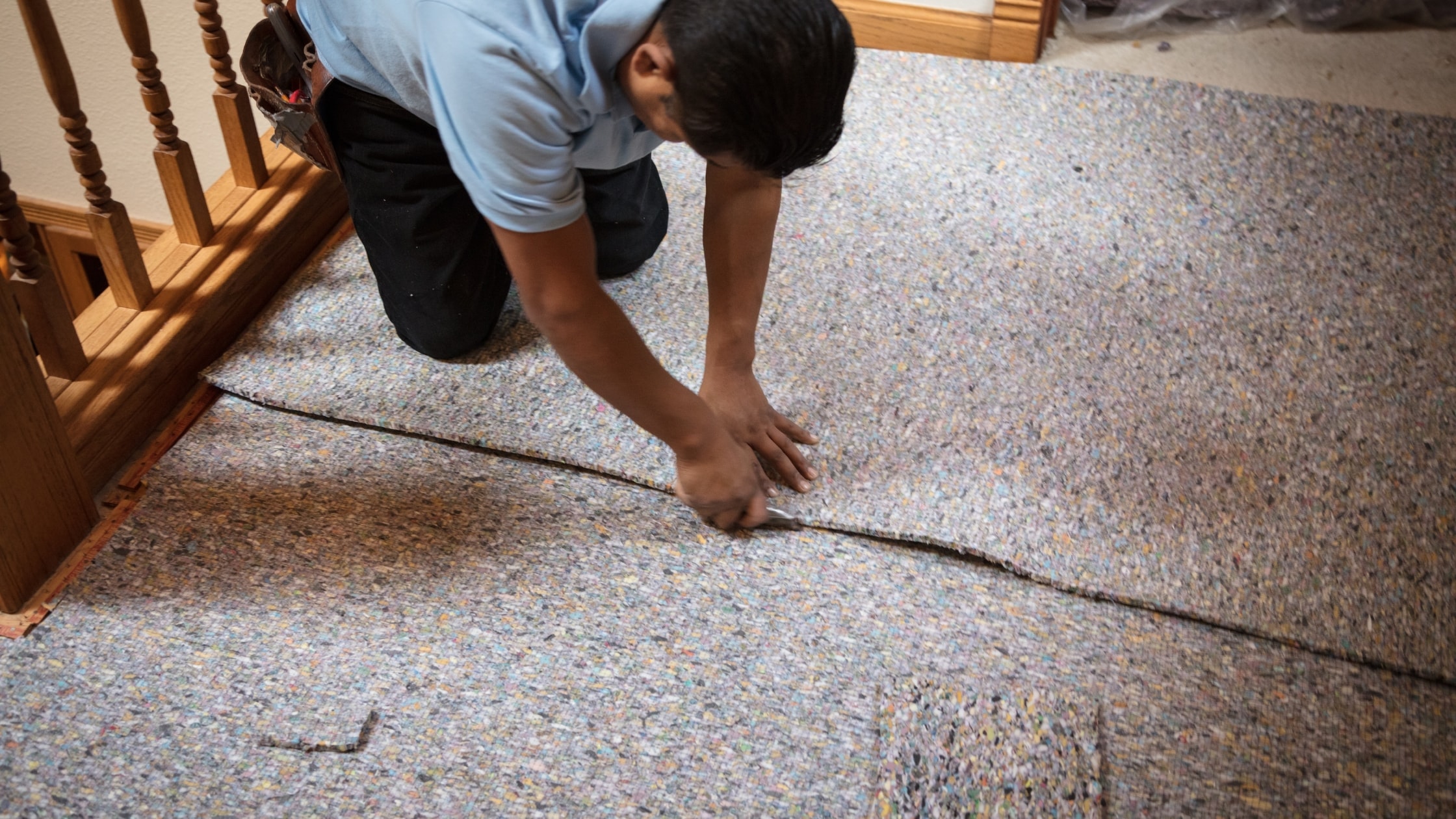
Removing old carpet provides an opportunity to evaluate the condition of the floor beneath it. Although carpet removal may seem straightforward, the process often reveals details that need attention before new flooring can be installed.
Existing carpet is generally detached from the perimeter tack strips, separated into manageable sections, and removed along with the old padding. Staples, damaged tack strips, adhesive residue, and debris must also be addressed.
Whether existing tack strips can remain depends on their condition and compatibility with the new installation. Loose, damaged, or improperly positioned strips may need replacement.
Older homes can require additional care. Previous flooring materials, adhesives, or other building components may contain substances that shouldn’t be disturbed without proper evaluation. If potentially hazardous materials are discovered, removal should be handled using appropriate testing and safety procedures.
Inspecting the Subfloor Before New Carpet
Once the previous flooring has been removed, the exposed surface should be checked for moisture damage, loose panels, soft spots, and uneven areas.
In homes with crawl spaces, moisture conditions beneath the floor may also deserve attention. Installing new padding and carpet over an unresolved moisture problem can allow the issue to continue beneath the finished surface.
Any necessary repairs should be completed before installation rather than relying on the new carpet to conceal them.
Homeowners can also prepare by clearing personal belongings, breakable items, and small furniture from the work area. Larger furniture should be discussed with the installer ahead of time so everyone understands what will be moved and whether additional arrangements are necessary.
A little preparation before installation can make the project more efficient and reduce the possibility of unexpected delays.Floor Covering Options for Phoenix Residents

Carpet remains a popular option for bedrooms, family rooms, and other spaces where warmth and softness are priorities. However, many homeowners in Phoenix choose a combination of flooring materials rather than installing the same surface throughout the house.
For example, carpet can provide comfort in bedrooms and upstairs living areas, while luxury vinyl plank may be more practical near exterior entrances or in kitchens where spills are common.
Tile is another option for bathrooms, laundry rooms, and other locations where moisture resistance is important. Hardwood and laminate can also create attractive living spaces, depending on the home’s conditions and maintenance requirements.
The decision often comes down to how each room functions.
A family room where children spend time playing on the floor may benefit from a comfortable carpet with suitable padding. A hallway connecting an exterior entrance to a kitchen may be better suited to a hard-surface material that can be cleaned easily.
For homeowners considering multiple materials, the transition between them should be planned carefully. Carpet height, padding thickness, doorway dimensions, and adjacent flooring all affect how the surfaces meet.
Stairs also require additional consideration. Carpet can provide a softer surface and improved traction, but selecting an appropriate carpet construction and ensuring secure installation around stair edges are particularly important.
Rather than choosing flooring based only on appearance, consider the daily demands of each space and how the different materials will work together throughout your Phoenix home.
Professional Installation: What Phoenix Homeowners Expect

Professional carpet installation involves more than cutting material to fit the dimensions of a room. Proper measuring, seam placement, carpet stretching, padding installation, and finishing all contribute to the appearance and performance of the finished floor.
The project typically begins with evaluating the rooms and taking measurements. Installers need to account for closets, doorways, alcoves, stairs, and any existing flooring transitions.
Carpet often comes in standard roll widths, so some rooms require seams. Planning where those seams will fall helps reduce material waste and makes them less noticeable in the finished installation.
However, seams cannot always be made invisible. Carpet construction, lighting, pile direction, and room layout influence how noticeable they may appear.
Proper Carpet Stretching and Fit
One of the most important aspects of installing stretch-in carpet is achieving the correct tension.
For most conventional stretch-in residential installations, professional power-stretching equipment helps secure the carpet and reduce the likelihood of wrinkles, ripples, and loose areas developing over time. A knee kicker is useful for positioning and certain finishing tasks, but it generally shouldn’t replace proper power stretching across an entire room.
Installers must also position the carpet correctly along tack strips and finish the edges without leaving exposed backing, gaps, or loose material.
Doorways deserve special attention. Where carpet meets tile, vinyl, or hardwood, the transition should create a secure and finished edge while accounting for differences in flooring height.
What Should Be Checked Before Completion?
A final inspection should look beyond whether the carpet appears attractive from across the room.
The finished installation should be checked for loose areas, irregular seams, exposed edges, poorly secured transitions, and noticeable problems around doorways or stairs.
Homeowners can also walk through the completed rooms to identify concerns while the installation team is present. Discussing these details before the project is considered complete helps establish clear expectations and gives installers an opportunity to address workmanship issues.
Perfect Carpet: Maintenance for Phoenix Climate

Maintaining new carpet in Phoenix means accounting for everyday household activity as well as the seasonal conditions common throughout the Rogue Valley.
During dry summer months, dust and fine particles can be carried indoors on shoes and pets. Fall and winter bring periods of rain that can increase tracked-in moisture and mud, particularly near exterior doors.
Entry mats and regular vacuuming help limit the amount of debris that reaches carpet fibers. Using a vacuum appropriate for the carpet’s pile height is also important, since aggressive brushes or unsuitable settings may damage certain constructions.
Handling Spills and Stains
Spills should be addressed promptly using the cleaning method recommended for the carpet fiber and the type of stain.
Blotting liquid spills with a clean, absorbent cloth is generally preferable to aggressive scrubbing, which can spread the stain or distort the fibers. Cleaning solutions should be tested in an inconspicuous area when appropriate.
Pet accidents may require products designed to address organic residues, but cleaners should be compatible with the carpet and backing. Excessively saturating the carpet can drive moisture into the padding, making the problem more difficult to resolve.
Preventing Premature Wear
Furniture placement, traffic patterns, and cleaning habits can influence how evenly carpet wears over time.
Hallways and frequently used paths may show compression sooner than lightly used bedrooms. Regular vacuuming helps remove abrasive particles, while appropriate furniture protectors can reduce concentrated pressure from heavy pieces.
Professional deep cleaning may also be necessary at intervals specified by the carpet manufacturer. Following those requirements is especially important when maintaining warranty coverage.
If carpeting develops persistent ripples, frayed edges, or odors that remain after proper cleaning, it may be time to evaluate whether a repair or replacement is more appropriate. Our article on when to replace carpet explains the signs that indicate existing flooring may be nearing the end of its useful life.
For a broader look at preparation, installation techniques, and common carpet installation considerations, see The Comprehensive Guide to Carpet Installation.
Working with Local Phoenix Contractors

Choosing a carpet installer involves more than comparing material samples. The contractor’s experience, installation methods, communication, and attention to preparation can make a significant difference in the finished result.
For homeowners in Phoenix, working with a flooring company familiar with Southern Oregon can be helpful when evaluating older subfloors, coordinating different flooring materials, or planning installations in renovated and recently rebuilt homes.
Before hiring a contractor, ask about the company’s experience with the specific carpet being considered. Installing carpet on a staircase, for example, involves different techniques than fitting a simple rectangular bedroom.
Questions Worth Asking Before Installation
A detailed installation proposal should explain the material being supplied, the type of padding included, and the preparation expected before installation.
It’s also useful to clarify who will move furniture, remove the existing carpet, dispose of old materials, and complete any necessary subfloor repairs.
Ask how the installer plans to stretch the carpet, where seams are likely to be placed, and what happens if an unexpected issue is discovered beneath the old flooring.
Oregon requires construction contractors performing floor-covering work to hold the appropriate Construction Contractors Board (CCB) license. Homeowners can verify license information and review relevant contractor records before moving forward.
Written agreements also help prevent confusion about project responsibilities and any work that falls outside the original scope.
Oregon Floor Works serves Phoenix and surrounding Jackson County communities from its Medford location. Our flooring services include carpet installation and other residential flooring options, allowing homeowners to consider how new carpet will coordinate with the rest of their home.
Frequently Asked Questions
How much does carpet installation cost per square foot in Phoenix, OR?
Carpet installation costs depend on the selected material, padding, room dimensions, existing floor conditions, and the amount of preparation required.
Stairs, difficult layouts, furniture moving, old flooring removal, and subfloor repairs can affect the overall project. A detailed estimate should identify which materials and services are included so homeowners can compare proposals accurately.
What carpet fibers work best in Phoenix’s climate?
Nylon and polyester are both practical options for many Phoenix homes, although their performance depends on the product’s construction and intended use.
Nylon is often selected for heavily used areas because of its resilience, while polyester can provide a soft surface and good stain resistance. Wool is another option for homeowners interested in natural fibers.
Rather than choosing based only on climate, consider foot traffic, pets, cleaning habits, and the room’s moisture exposure.
Do I need permits for carpet installation in Phoenix, OR?
A straightforward carpet replacement generally doesn’t require a building permit when the project doesn’t involve structural changes or other regulated work.
However, additional work involving structural subfloor modifications may require approval. Properties within Phoenix city limits should confirm applicable requirements with the city’s building department, while homeowners in unincorporated areas can consult Jackson County’s building services.
The contractor should also clarify whether any proposed work requires permitting before installation begins.
How long does carpet installation take in Phoenix homes?
The installation schedule depends on the number of rooms, total floor area, stairs, and amount of preparation required.
A straightforward project involving one or two rooms may be completed in a day, while whole-home installations or projects requiring floor repairs may take longer.
Removing old materials, moving furniture, and coordinating transitions between flooring types can also affect the timeline. Your installer should provide an estimated schedule based on the actual scope of work.
What should I do to prepare my Phoenix home for carpet installation?
Clear personal items, breakables, and smaller furniture from the rooms where carpet will be installed. Discuss larger furniture with the contractor to determine what the installation team can move and what homeowners should handle separately.
Provide clear access to the work areas and arrange a safe location for pets and children during installation.
If you’ve noticed squeaking floors, soft spots, moisture concerns, or other issues with the existing carpet, point them out before removal begins so they can be evaluated during preparation.
Making the Right Choice for Your Phoenix Home

New carpet can add comfort, warmth, and a more finished appearance to bedrooms, living rooms, and other areas of your home. Choosing the right material and padding is important, but the quality of the installation ultimately influences how the carpet looks and performs after the project is complete.
From older properties near central Phoenix to recently constructed homes throughout the community, each installation presents its own considerations. Understanding the condition of the existing subfloor, selecting materials suited to the room, and working with an experienced installer can help prevent avoidable problems.
Oregon Floor Works provides professional carpet installation for homeowners in Phoenix, OR, and surrounding Jackson County communities. Whether you’re replacing worn bedroom carpet, updating multiple rooms, or exploring new flooring options, our team can help you plan an installation that fits your home.
Ready to update your carpet in Phoenix? Contact Oregon Floor Works at (541) 500-0531 to discuss your flooring project and request an estimate.