
Carpet brings warmth, comfort, and style to a home, but keeping it in good condition requires consistent care. Everyday foot traffic, spills, pets, and accumulated dirt can gradually affect carpet fibers, causing visible wear and reducing their lifespan. With the right carpet maintenance routine, you can protect your flooring and preserve its appearance for years.
Effective carpet care involves more than occasional vacuuming. Understanding how to remove stains, adjust cleaning habits throughout the seasons, and prevent damage in busy areas can make maintaining your flooring easier. Choosing appropriate cleaning products and knowing when to seek professional assistance are also important parts of protecting your investment.
This comprehensive guide covers essential carpet maintenance practices, from everyday cleaning and stain removal to eco-friendly solutions, carpet repairs, and deodorizing techniques. Whether you’re maintaining newly installed carpeting or trying to extend the life of existing flooring, these practical recommendations can help you keep your home comfortable and inviting.
Why Carpet Maintenance Matters
Regular carpet maintenance helps preserve the appearance, comfort, and functionality of your flooring. Dirt and small abrasive particles can settle between carpet fibers, contributing to premature wear as people walk across the surface. Removing this debris through routine cleaning helps protect the carpet’s texture and construction.
Proper maintenance can also reduce the buildup of dust, pet dander, and other particles trapped within carpeting. Although carpet cleaning alone cannot eliminate every indoor allergen, consistent vacuuming and periodic deep cleaning can help control accumulated debris and support a cleaner indoor environment.
Taking care of your carpet may also reduce the need for premature replacement. By addressing stains promptly, protecting high-traffic areas, and selecting appropriate cleaning methods, homeowners can help their carpeting maintain its appearance and performance.
Quick Tip: Vacuum your carpet at least twice weekly, increasing the frequency in busy areas or homes with pets. Regularly removing soil helps prevent abrasive particles from becoming embedded in the fibers.
What to Expect in This Guide
Maintaining carpeting becomes easier when you understand which cleaning methods work best for different situations. This guide explores daily care habits, stain-removal techniques, seasonal cleaning routines, and ways to prevent excessive wear.
You’ll also learn about environmentally conscious cleaning products, common carpet repairs, deodorizing methods, and equipment that can help simplify maintenance. Each section includes practical recommendations and additional resources for homeowners who want more detailed information.
1. Daily Carpet Care Tips

Daily carpet care plays an important role in preventing dirt from becoming embedded in the flooring. Foot traffic, pet hair, food crumbs, and outdoor debris can accumulate quickly, particularly in living rooms, hallways, and entryways.
Establishing a manageable cleaning routine helps maintain the carpet’s appearance without requiring extensive cleaning every day. Small preventative habits can also reduce the amount of soil reaching your flooring in the first place.
Essential Daily Cleaning Habits
-
Vacuum Regularly: Use a vacuum cleaner appropriate for your carpet’s pile height and fiber construction. High-traffic areas may benefit from daily or every-other-day vacuuming, while less frequently used rooms can often be maintained with two sessions per week. Move the vacuum slowly to help collect debris trapped between fibers.
-
Spot Clean Instantly: Address spills as soon as possible using a clean white cloth or absorbent towel. Blot the affected area rather than rubbing, which can spread the stain and damage carpet fibers. When additional cleaning is needed, use a product approved for your specific carpet material.
-
Use Entry Mats: Place durable mats outside and inside exterior doors to collect dirt, moisture, and other debris before it reaches carpeted rooms. Outdoor scraping mats can remove larger particles, while indoor absorbent mats help manage moisture. Clean both regularly so they continue working effectively.
-
Establish a No-Shoes Policy: Limiting outdoor footwear on carpeting can help reduce tracked-in dirt and abrasive particles. Clean indoor socks or slippers are another option for households concerned about natural skin oils transferring to carpet fibers. If removing shoes isn’t practical, maintaining clean entry mats provides additional protection.
Quick Tip: Regular pet grooming can help reduce the amount of loose fur and dander collecting in carpeting. Brushing pets frequently and cleaning their paws after outdoor activities may also help limit the debris brought into your home.
Consistent cleaning helps prevent minor dirt accumulation from becoming a larger maintenance problem. By addressing everyday messes before they spread or settle into the carpet, homeowners can keep their flooring looking cleaner between deep cleaning appointments.
For more detailed vacuuming recommendations, preventative measures, and spot-cleaning techniques, explore our Daily Carpet Care Tips guide.
2. How to Remove Stains from Carpet
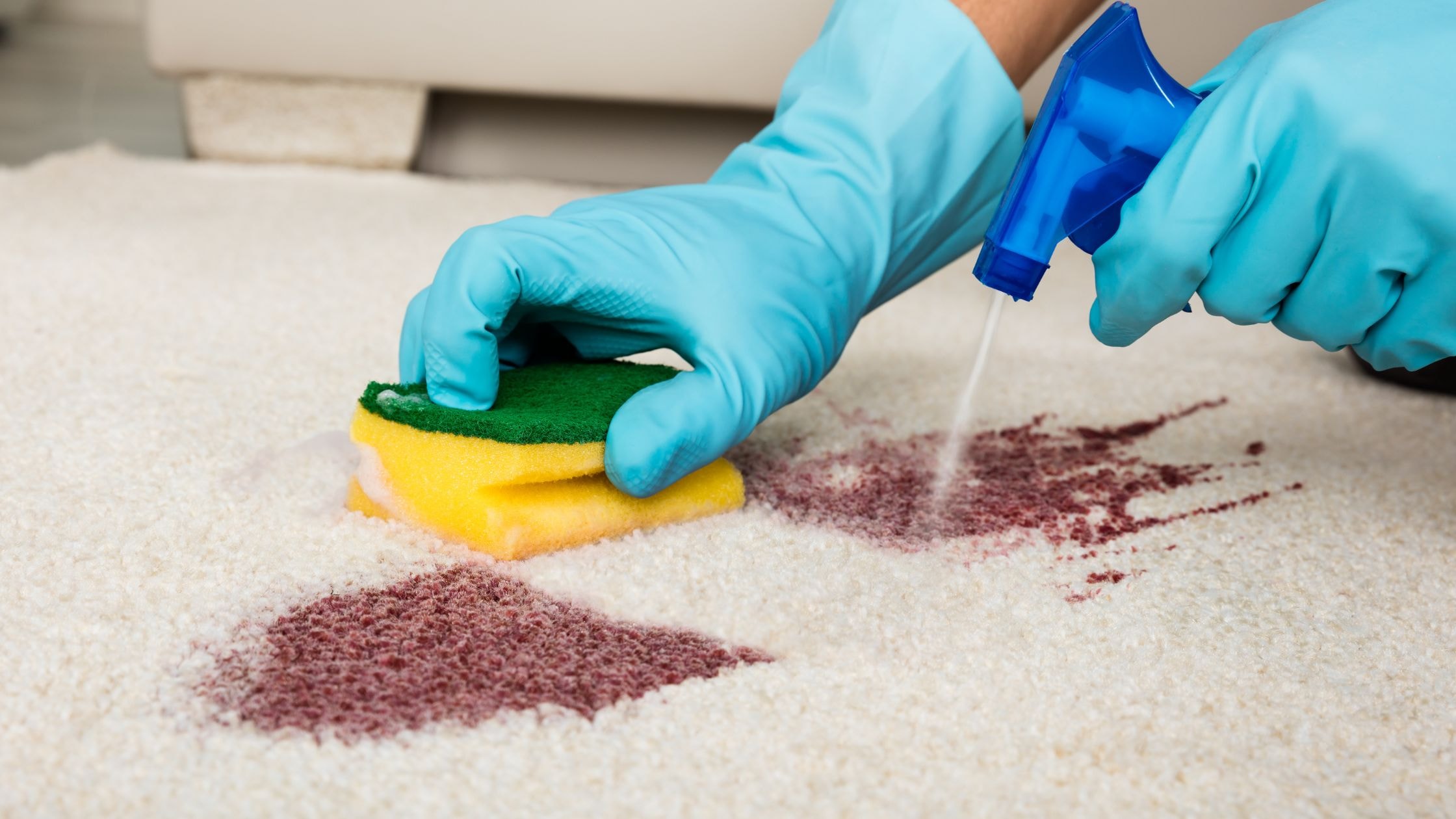
Spills are an unavoidable part of everyday life, but they don’t always have to result in permanent carpet stains. Beverages, food, pet accidents, and household products can affect carpet fibers differently, making it important to identify the substance before choosing a cleaning method.
Prompt treatment is one of the most effective ways to limit discoloration. Using the correct cleaning solution and avoiding excessive moisture can also help protect the carpet backing and padding underneath.
Stain Removal Steps
-
Blot, Don’t Rub: Begin by absorbing as much of the spilled material as possible with a clean white cloth. Work from the outside of the stain toward the center to prevent spreading. Scrubbing can push residue deeper into the carpet and potentially damage the fibers.
-
Choose the Right Cleaner: Different stains respond to different treatments. Enzymatic cleaners are often useful for pet accidents and other organic residue, while oily stains may require specialized carpet-safe cleaning products. Diluted household solutions may be appropriate for some carpets, but they should never be used without checking material compatibility.
-
Test First: Before applying a cleaning solution to a visible area, test it on a small, hidden section of carpeting. Watch for discoloration, texture changes, or dye transfer. This is particularly important for wool and specialty carpet materials that may react differently to cleaning ingredients.
-
Address Odors Too: Some spills leave unpleasant odors even after the visible stain disappears. Removing the source of the odor is more effective than masking it with fragrance. A compatible enzymatic cleaner may help with organic residue, while persistent odors can indicate that contamination has reached the padding beneath the carpet.
Extra Tips for Success
-
Act Quickly: Remove spills before they dry or penetrate deeper into the carpet. Fresh stains are often easier to treat than those that have remained in the fibers for an extended period.
-
Avoid Excessive Heat: Hot water may set certain protein-based stains, including blood. Use the temperature recommended for the stain and carpet material rather than assuming hotter water will improve cleaning.
-
Consider Professional Cleaning: Stubborn stains, large spills, and contamination involving carpet padding may require specialized equipment. Professional cleaners can evaluate the affected area and determine whether additional treatment is appropriate.
Did You Know? Household ingredients such as baking soda and diluted white vinegar may be useful for certain cleaning tasks, but they aren’t appropriate for every carpet or stain. Some products can leave residue, affect carpet dyes, or damage sensitive materials when used incorrectly.
Successful stain removal depends on acting quickly, using the appropriate product, and avoiding unnecessary moisture. If a stain continues to spread or the carpet begins showing signs of damage, stop treating the area and consider professional assistance.
For specific instructions on treating wine, pet urine, ink, chocolate, and brightly colored beverages, visit our How to Remove Stains from Carpet guide.
3. Seasonal Carpet Maintenance Tips
Carpet maintenance needs can change throughout the year as outdoor conditions and household activities shift. Spring pollen, summer dust, autumn leaves, and winter moisture can all introduce different types of debris into your home.
Adapting your cleaning schedule to these conditions helps keep dirt from accumulating and reduces unnecessary stress on your carpeting. Seasonal maintenance also provides an opportunity to inspect flooring for stains, loose seams, or developing wear patterns.
Spring/Summer
-
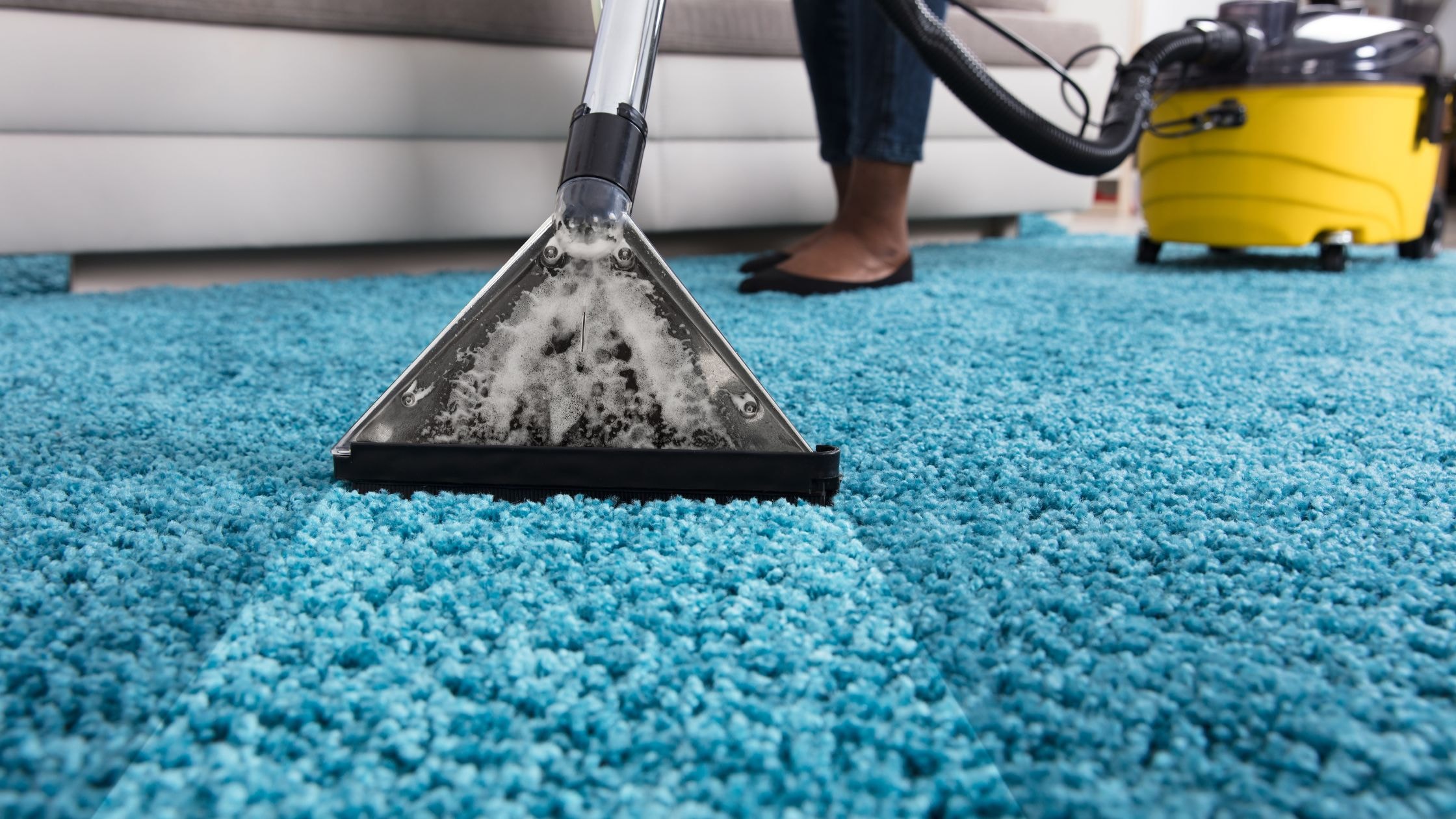
Steam Clean Regularly: Spring and summer can be convenient times to schedule periodic carpet deep cleaning, particularly after several months of accumulated soil. Professional hot water extraction can help remove embedded dirt and certain residues when appropriate for the carpet material. Follow the manufacturer’s recommended cleaning schedule rather than deep cleaning more frequently than necessary.
-
Protect Against Sun Damage: Prolonged exposure to direct sunlight can gradually fade certain carpet dyes. Close blinds, use curtains, or consider UV-filtering window treatments in rooms that receive intense afternoon sun. Rotating movable furniture and area rugs occasionally can also help reduce uneven exposure.
-
Vacuum More Often: Outdoor activities during warmer months can introduce pollen, dry soil, sand, and grass into the home. Increase vacuuming frequency in entryways, hallways, and frequently used living spaces when necessary. Removing these particles before they settle deeply into carpet fibers helps limit abrasive wear.
Fall/Winter
-
Deep Cleaning Before the Holidays: Fall is a convenient time to evaluate whether your carpeting needs professional cleaning before seasonal gatherings. Removing accumulated dirt and stains can refresh busy living spaces before additional guests arrive. Schedule cleaning early enough to allow the carpet to dry completely before furniture is returned.
-
Use Heavier Mats and Rugs: Rain, mud, snow, and deicing residue can damage carpeting when tracked indoors. Place durable scraping mats outside entrances and absorbent mats inside to collect debris and moisture. Runners in heavily traveled hallways can provide an additional protective layer.
-
Regular Maintenance: Household members often spend more time indoors during colder weather, increasing activity on carpeted surfaces. Maintain a consistent vacuuming schedule and address wet spots immediately. Pay particular attention to carpet near exterior doors, where moisture and dirt are most likely to accumulate.
Changing your cleaning routine with the seasons helps prevent minor maintenance issues from developing into more noticeable flooring problems. Regular inspections also make it easier to identify stains, wrinkles, and worn areas before they require extensive repairs.
For more detailed recommendations covering each season, read our Seasonal Carpet Maintenance Tips.
4. Preventing Carpet Wear in High-Traffic Areas
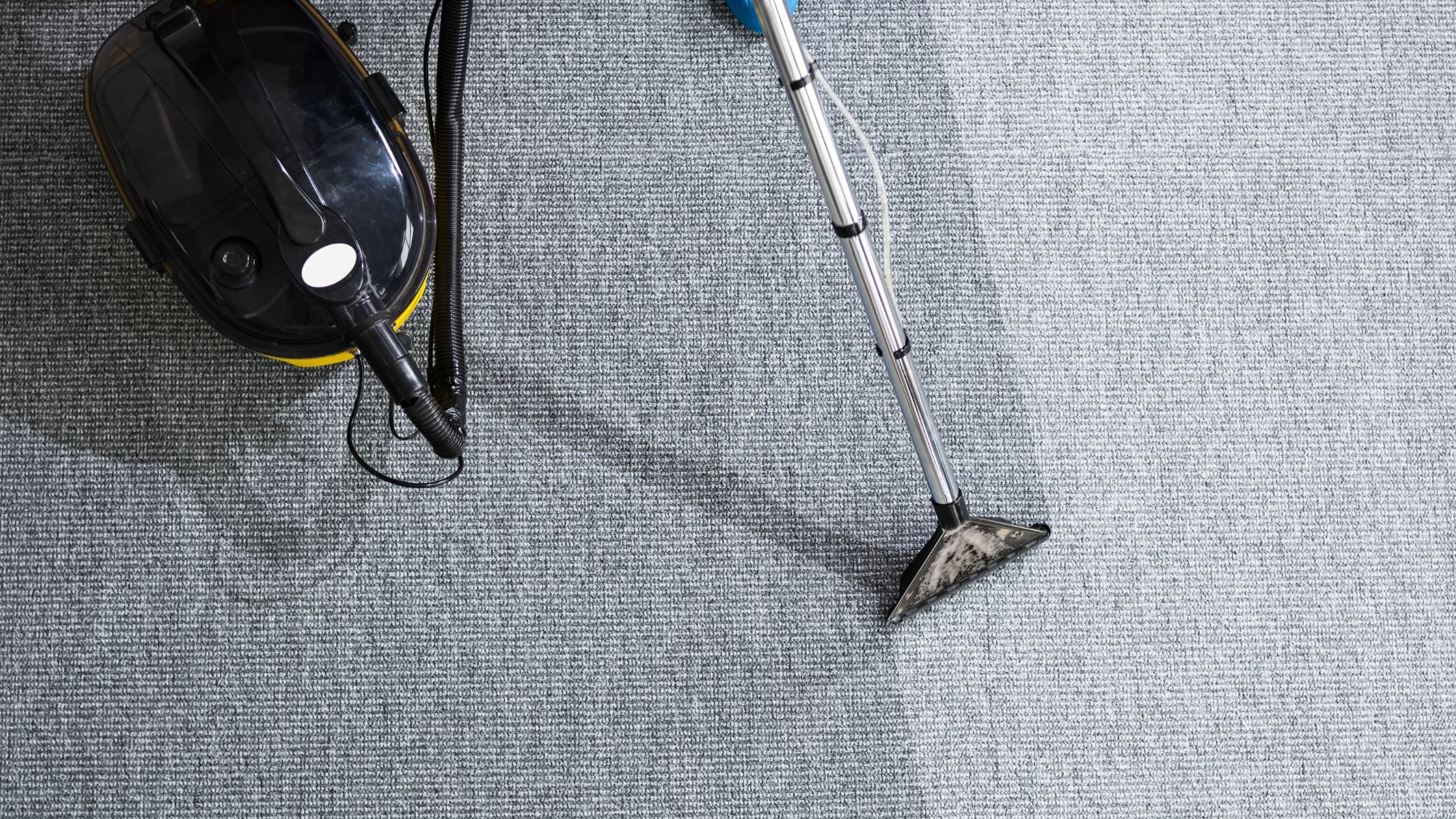
High-traffic areas experience repeated pressure and friction from everyday movement. Hallways, entryways, family rooms, and frequently used pathways may begin showing flattened fibers or visible traffic patterns sooner than quieter parts of the home.
Although some wear is unavoidable, preventative measures can help reduce concentrated damage. Protecting busy areas and distributing foot traffic more evenly can help your carpet maintain a consistent appearance.
Tips to Prevent Wear and Tear
-
Rotate Furniture Regularly: Rearrange movable furniture periodically to change how people walk through a room. Adjusting pathways can help distribute foot traffic more evenly rather than concentrating pressure in the same narrow areas. Lift heavy furniture instead of dragging it across the carpet to avoid damaging fibers or seams.
-
Use Area Rugs or Runners: Place compatible runners in hallways and area rugs in frequently used living spaces. These coverings absorb some of the direct foot traffic and help collect dirt before it reaches the carpeting underneath. Remove them occasionally to clean trapped debris and inspect the protected carpet.
-
Schedule Professional Cleaning Annually: Consider professional carpet cleaning approximately once a year when household activity and the manufacturer’s recommendations support that schedule. Deep cleaning can help remove embedded dirt that regular vacuuming leaves behind. Some carpets may need more or less frequent service depending on their use and warranty requirements.
Additional Pro Tip:
Place appropriate furniture protectors or weight-distributing coasters beneath heavy furniture legs to reduce concentrated pressure on carpeting. These accessories can help limit deep indentations, particularly when sofas, tables, or cabinets remain in one position for long periods.
Felt pads are useful on many hard flooring surfaces, but carpeting may benefit more from furniture cups or protectors specifically designed for carpeted floors. Choose products that remain stable and won’t damage the carpet backing.
Protecting high-traffic carpeting also starts with selecting materials designed for regular activity. Dense carpet construction, suitable padding, and appropriate installation methods can all contribute to better long-term performance.
Explore our guide to Preventing Carpet Wear and Tear in High-Traffic Areas for additional strategies involving flooring materials, cleaning habits, and furniture placement.
5. Eco-Friendly Carpet Cleaning Solutions
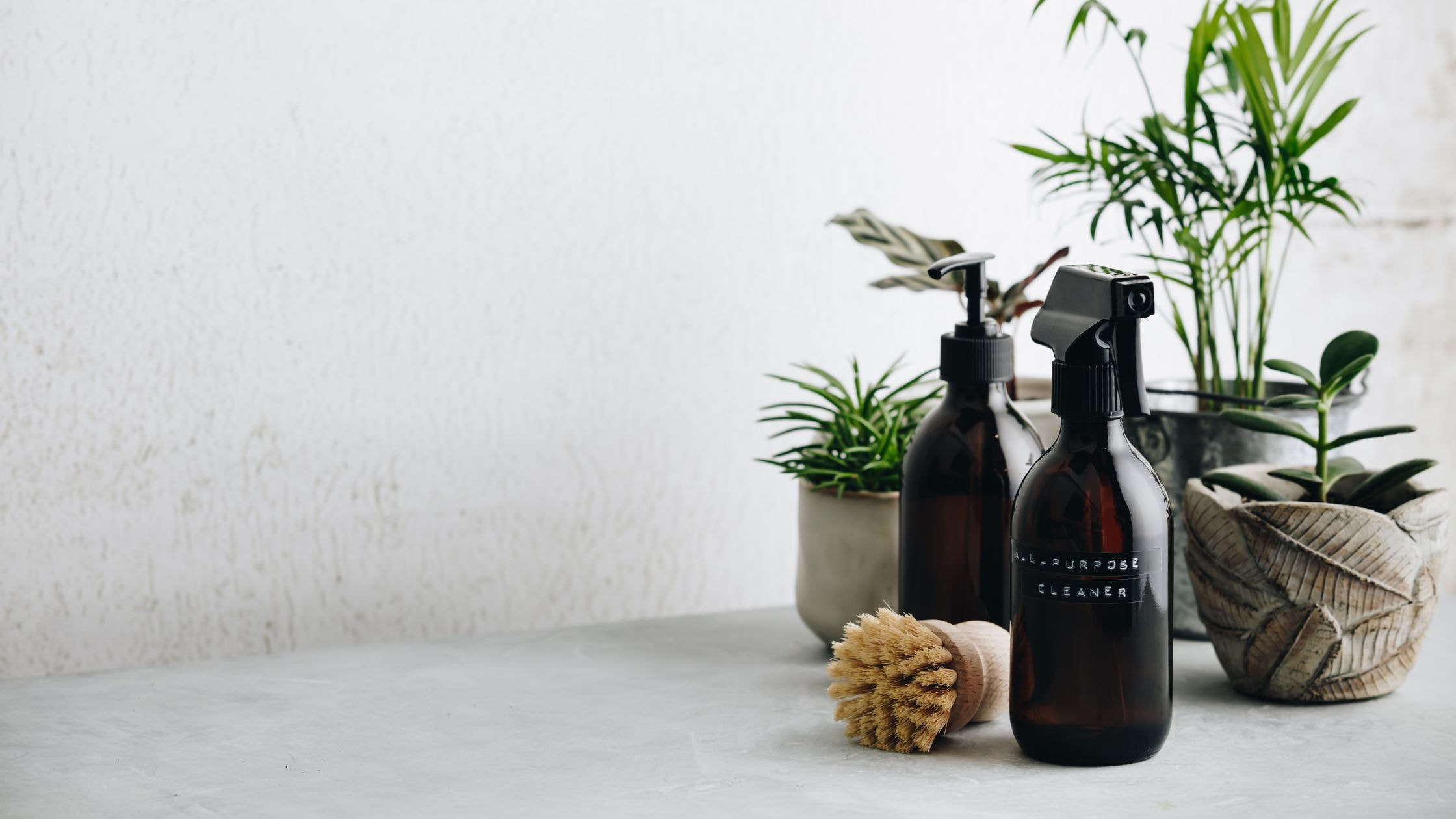
Eco-friendly carpet cleaning focuses on maintaining clean flooring while reducing unnecessary chemical exposure, water use, and environmental waste. Many homeowners are interested in cleaning methods that use fewer fragrances, responsibly formulated ingredients, and effective preventative practices.
Choosing environmentally conscious products doesn’t mean every homemade solution is appropriate for carpet care. The most effective approach combines compatible cleaning products with proper application methods, regular vacuuming, and careful moisture control.
Options to Consider
-
DIY Green Cleaners: Some household ingredients, such as diluted white vinegar, may be useful for specific cleaning tasks on compatible carpet materials. However, acidic solutions can affect certain fibers and dyes, so manufacturer approval and spot testing are important. Avoid adding essential oils directly to carpeting because they can leave residue and may pose risks to pets or sensitive household members.
-
Plant-Based Products: Cleaning products made with plant-derived ingredients provide another option for environmentally conscious households. Look for products with verified certifications, such as EPA Safer Choice, rather than relying exclusively on labels such as natural or green. Confirm that the cleaner is suitable for your carpet and follow all application instructions.
-
Steam Cleaning: Hot water extraction, often called steam cleaning, uses heated water and powerful extraction equipment to loosen and remove embedded soil. Some systems use water alone, while others require specialized cleaning agents for effective results. Proper extraction and drying are essential to prevent excess moisture from remaining in the carpet or padding.
Eco-friendly maintenance also involves reducing the need for intensive treatments whenever possible. Using entry mats, vacuuming frequently, and cleaning small spills promptly can help minimize the amount of cleaning solution needed over time.
When selecting commercial cleaners, consider the product’s ingredients, packaging, dilution requirements, and compatibility with your flooring. Certified products and professional services that prioritize effective cleaning with controlled moisture can be useful options.
Discover additional household ingredients, cleaning techniques, and precautions in our Eco-Friendly Carpet Cleaning Solutions guide.
6. Carpet Repair: When to DIY and When to Call a Pro
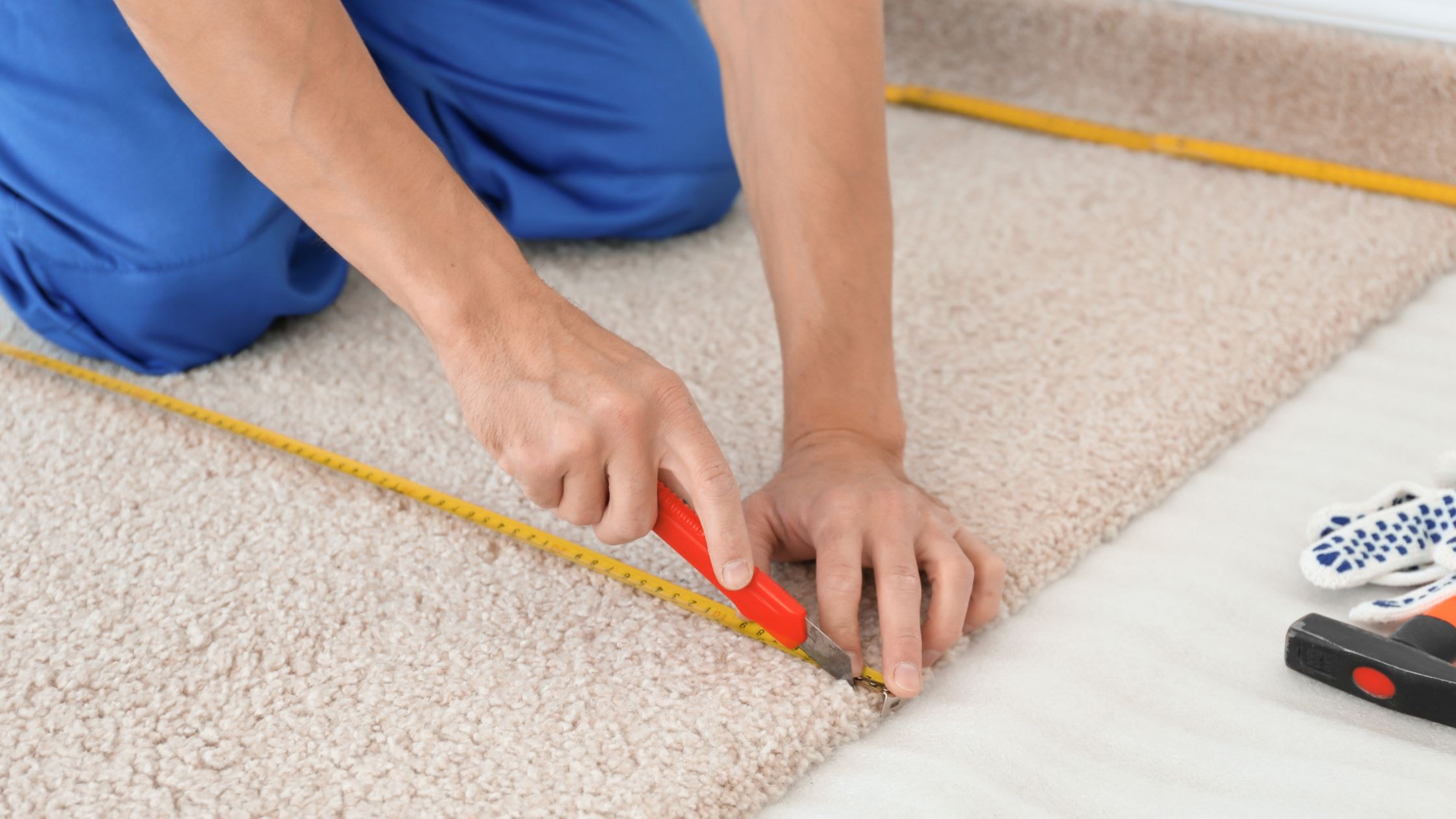
Carpet damage doesn’t always require replacing the entire floor. Depending on the condition of the fibers, backing, and padding, certain problems may be corrected through stretching, patching, or other repair techniques.
Determining whether to handle the repair yourself or hire a professional depends on the size and location of the damage. Smaller cosmetic issues may be manageable, while structural problems and widespread deterioration often require specialized tools and experience.
When to DIY
Some minor carpet repairs can be completed by homeowners who have the appropriate materials and understand the process. However, it’s important to avoid making the damage worse through excessive cutting, stretching, or unsuitable adhesives.
Common situations where a DIY approach may be considered include:
-
Small Burns or Tears: Localized damage may sometimes be repaired using a compatible carpet patch or leftover material from the original installation. Matching the carpet’s pile direction and color is important for achieving a less noticeable result. Larger or highly visible repairs may be better handled by a professional.
-
Loose Carpet Edges: Minor edge problems may involve displaced transition trim or small sections requiring additional securing. Some repairs may be manageable with appropriate materials, but loose carpet attached to tack strips or damaged seams should be evaluated carefully. Improper fastening can create additional damage or leave an unsafe edge.
DIY repairs may help reduce expenses for minor damage, but they require patience and appropriate tools. Before attempting a repair, confirm that the method is suitable for your carpet and won’t interfere with any existing warranty coverage.
When to Hire a Professional
Certain carpet problems involve more than surface-level damage and require additional evaluation. Professional installers and repair specialists have access to equipment designed for stretching, seaming, patching, and addressing certain flooring irregularities.
Consider professional assistance for the following situations:
-
Large Tears or Extensive Water Damage: Significant tears may require specialized patching or seam repairs to restore a secure surface. Carpet exposed to substantial water damage may also have affected padding or subfloor materials that need inspection. Persistent moisture or contamination should be addressed before repair work begins.
-
Repairs That Require Color Matching or Re-Stretching: Replacing a damaged carpet section can be challenging when the surrounding material has faded or experienced years of wear. Professional stretching is also recommended for widespread ripples and wrinkles because the carpet must be tensioned and secured correctly.
Professional repairs may help extend the usable life of carpeting when the surrounding materials remain in good condition. However, severely deteriorated backing, widespread staining, or extensive moisture damage can make replacement a more practical choice.
Making the Right Choice
Before deciding between repairing and replacing carpet, consider the age of the flooring, the extent of the damage, and whether the surrounding material remains structurally sound. A localized problem in relatively new carpeting may justify repair, while multiple damaged areas could indicate that replacement is more economical.
It’s also important to consider appearance. Even a technically successful repair may remain visible when the original carpet has faded or its texture has changed significantly.
If you’re unsure whether a damaged area can be restored, consult a flooring professional for an evaluation. Our guide to Carpet Repair: When to DIY and When to Call a Pro explains common repair options and situations where professional assistance may be necessary.
7. Innovative Carpet Deodorizing Techniques
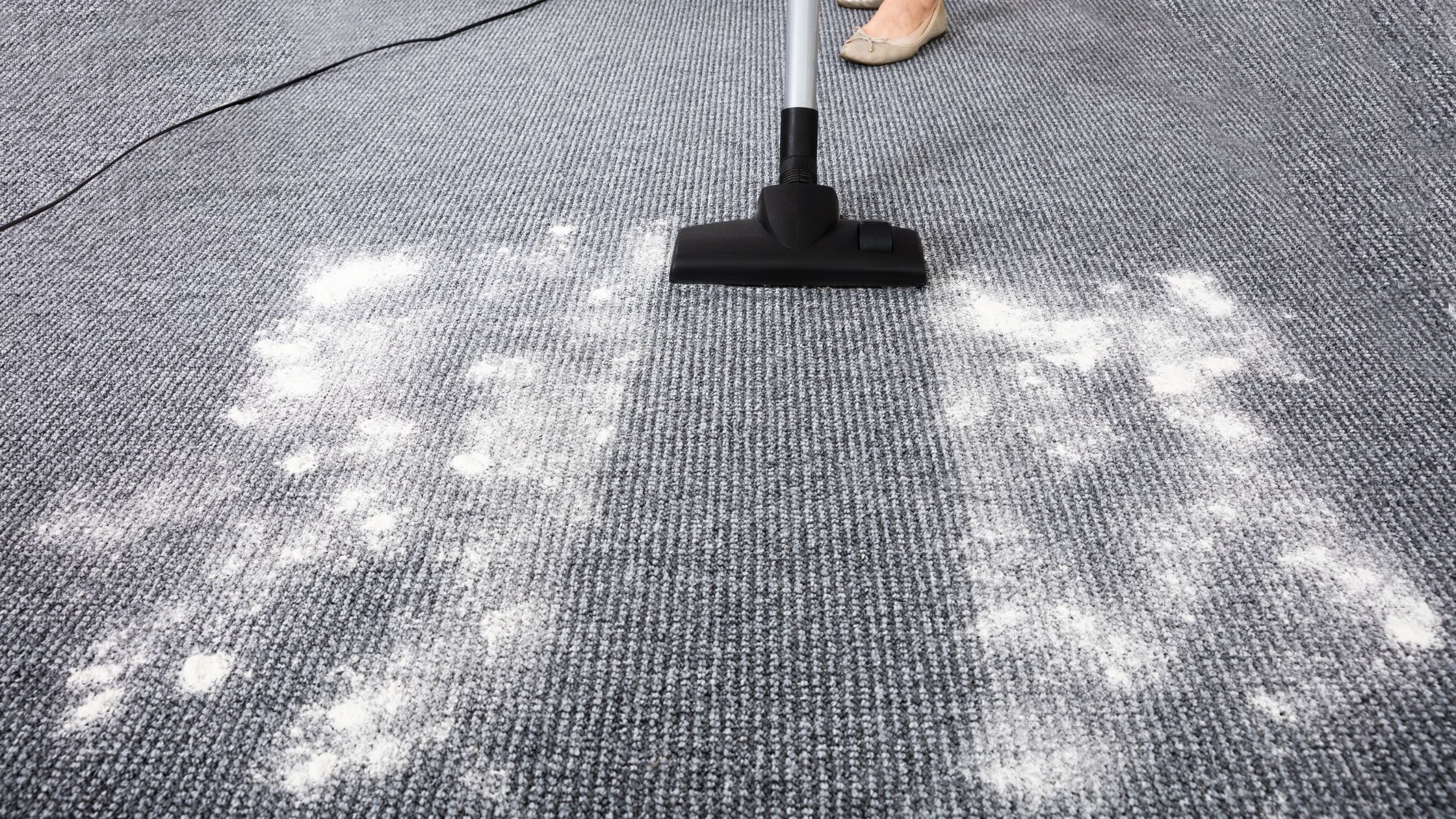
Carpet odors can develop from spills, pet accidents, cooking residue, moisture, and everyday household activity. Because carpeting contains multiple layers, unpleasant smells may remain even after the visible surface appears clean.
Effective carpet deodorizing begins with identifying and removing the source of the odor. Fragrances may temporarily cover unpleasant smells, but they won’t resolve contamination or moisture problems beneath the carpet.
Smart Deodorizing Tips for Carpets
-
Baking Soda Refresh: Baking soda is commonly used to absorb certain household odors, although applying it directly to carpeting requires caution. If your carpet and vacuum manufacturers permit powdered treatments, use a small amount and remove it thoroughly with appropriate equipment. Fine powders can become trapped in dense carpet fibers or interfere with certain vacuum cleaners when used excessively.
-
Essential Oil Mixes: Lavender, eucalyptus, and lemon oils are sometimes added to homemade carpet freshening mixtures for fragrance. However, concentrated essential oils may leave residue, affect sensitive carpet materials, or create risks for household pets. A safer alternative is to remove the odor source and maintain ventilation rather than applying scented oils directly to the carpet.
-
Activated Charcoal: Activated charcoal products can help absorb certain odors from the surrounding air when used according to their instructions. Place a contained charcoal odor absorber in an appropriate location near the affected room rather than scattering loose charcoal onto the carpet. Keep these products out of reach of children and pets, and remember that they won’t eliminate odors caused by contamination beneath the flooring.
Persistent carpet odors often indicate a problem that requires more than surface deodorizing. Pet urine, water damage, and spills that penetrate carpet padding may continue producing odors until the affected materials are thoroughly cleaned or replaced.
Regular vacuuming and proper ventilation help reduce everyday odor buildup. For stronger smells, choose cleaning products designed to address the underlying cause rather than relying on fragrances to mask the problem.
For more information about household odor treatments and carpet freshening methods, explore our guide to Deodorizing a Carpet.
8. The Best Carpet Cleaning Products and Equipment
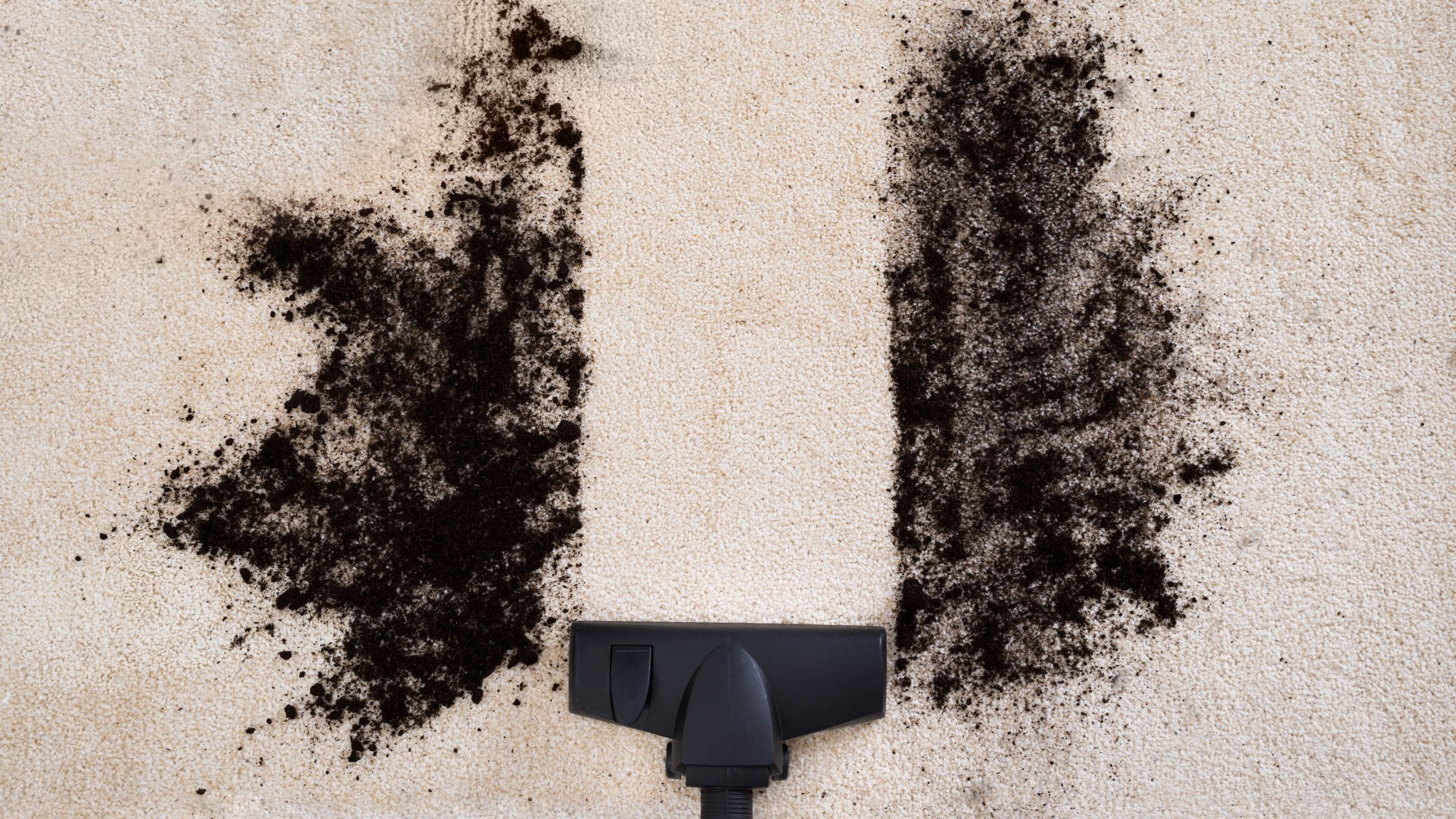
Selecting appropriate carpet cleaning equipment makes routine maintenance more manageable and helps reduce the risk of unnecessary flooring damage. Vacuums, spot cleaners, and carpet grooming tools serve different purposes, so understanding their advantages can help you choose what your home needs.
The best cleaning tools aren’t necessarily the most expensive. Carpet construction, household activity, and manufacturer recommendations should guide your decisions when comparing products and equipment.
Must-Have Products
Keeping your carpet in good condition starts with tools designed to remove dirt without damaging the fibers. These three products can be useful additions to a regular carpet maintenance routine:
-
HEPA Filter Vacuum: A vacuum with effective filtration can help collect fine dust, pollen, and other particles while limiting the amount released back into the room. Look for equipment with a sealed filtration system and settings compatible with your carpet’s pile. For product comparisons, review Better Homes & Gardens’ guide to HEPA vacuums.
-
Spot Cleaners: Carpet-specific spot-cleaning products are useful for addressing spills before they become difficult stains. Choose cleaners designed for your carpet’s fiber type and the substance being treated. Keeping a compatible product available allows you to respond quickly without experimenting with unsuitable household chemicals.
-
Carpet Rakes: Carpet grooming tools may help lift flattened fibers and improve the appearance of certain carpet styles. However, they aren’t appropriate for every construction, especially delicate loops or fibers that can snag. Check the carpet manufacturer’s recommendations and use gentle techniques to avoid creating additional wear.
Other useful maintenance accessories include clean absorbent towels, entry mats, furniture protectors, and replacement vacuum filters. Having these items available makes it easier to address everyday cleaning needs before they become larger problems.
Proper equipment maintenance matters as much as product selection. Clean vacuum brushes, unobstructed hoses, and regularly replaced filters can help maintain performance and reduce the risk of damage caused by malfunctioning equipment.
For a more detailed comparison of cleaning supplies and equipment, visit our guide to The Best Carpet Cleaning Products and Equipment.
Keep Your Carpet Beautiful and Long-Lasting
Maintaining attractive, comfortable carpeting doesn’t require complicated routines or constant deep cleaning. Consistent vacuuming, prompt stain removal, seasonal preparation, and thoughtful protection of high-traffic areas can help preserve carpet fibers and reduce unnecessary wear.
Choosing appropriate cleaning products also makes a difference. Whether you prefer environmentally conscious solutions or professional carpet cleaning services, using methods suited to your carpet’s construction helps protect the backing, padding, and finished surface.
It’s equally important to recognize when routine maintenance is no longer enough. Loose seams, widespread wrinkles, persistent odors, and extensive damage may require professional attention. Addressing these problems promptly can help determine whether repair is practical or whether replacement would provide a better long-term solution.
At Oregon Floor Works, we help homeowners and businesses in Medford and throughout Jackson County choose and install carpeting suited to their spaces. Our team works with a variety of flooring materials, helping customers find durable, comfortable options that complement their homes and everyday needs.
If your existing carpet has reached the end of its useful life, professional replacement can provide an opportunity to improve both the appearance and performance of your flooring. From selecting carpet materials to preparing the subfloor and completing installation, careful planning helps create a finished surface that lasts.
With the right carpet maintenance practices and professional guidance when needed, you can keep your flooring looking its best and enjoy a comfortable home for years to come.