
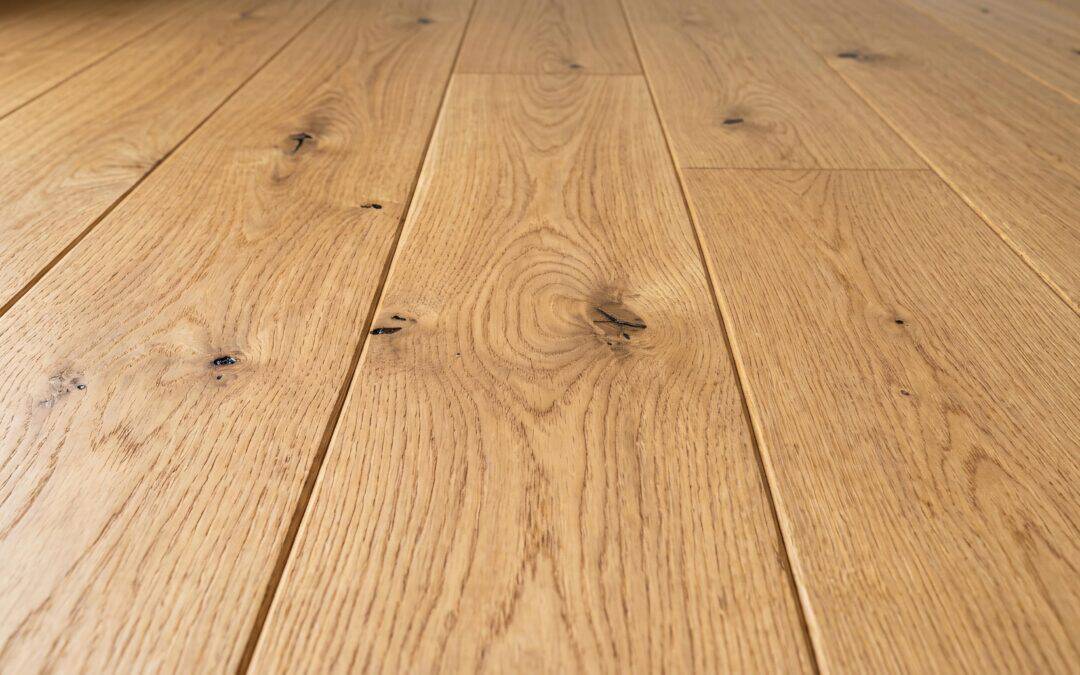
Engineered hardwood flooring is real wood, but the label by itself does not tell you much about the quality of the floor. Two products can both be sold as engineered hardwood and perform very differently once they are installed.
The difference usually comes down to construction. A good engineered plank has a useful real-wood surface, a stable core, and specifications that fit the subfloor and room. A cheap plank may have such a thin veneer that future refinishing is unrealistic.
That is why choosing engineered hardwood should start with more than color and price. Veneer thickness, moisture conditions, installation method, core construction, and the way you expect to use the floors deserve more attention.
For many homes, engineered hardwood is an excellent hardwood flooring option. It is especially useful when homeowners want real wood but need more installation flexibility than traditional solid boards provide.
What Is Engineered Hardwood Flooring?
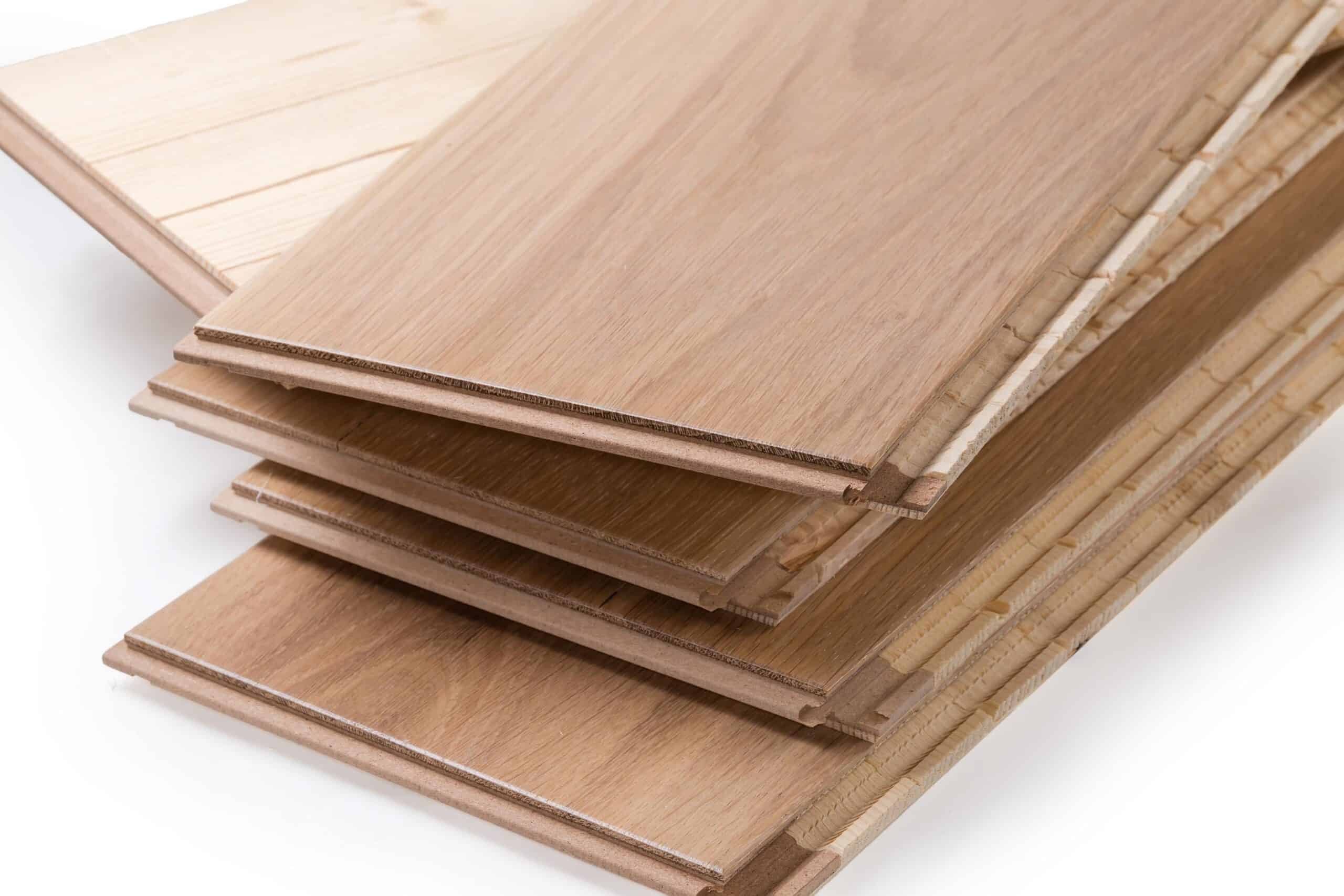
Engineered hardwood is built from multiple layers instead of being milled from a single piece of wood. The top layer is genuine hardwood. Beneath it is a layered core designed to make the plank more stable.
Those layers create the defining engineered hardwood flooring features: a real wood surface above a more stable support structure. The visible surface still has the grain, texture, color variation, and natural beauty of real wood. The supporting layers simply change how the flooring reacts to its environment.
The Real Wood Top Layer
The top layer is often called the veneer or wear layer. It may be made from white oak, red oak, hickory, maple, walnut, or other wood species.
The real hardwood veneer is what you walk on, and it gives engineered wood flooring the same basic visual character as other hardwood floors.
Veneer thickness becomes important later because a thicker usable layer generally gives a floor more restoration potential, while a very thin surface may leave little room for sanding.
The Plywood or HDF Core
Below the veneer, engineered flooring commonly uses a plywood core or high density fiberboard. Plywood construction typically uses layers with alternating grain directions to reduce movement.
The layered construction helps the plank stay more dimensionally stable as humidity and temperature change. That does not make the floor immune to moisture. It simply makes engineered wood less prone to the expansion and contraction that can affect a single solid board.
Core quality varies. The fact that a product has multiple layers does not automatically mean it is well made.
Engineered Hardwood vs. Solid Hardwood: What Actually Changes?
Solid hardwood is milled from a single piece of wood. Engineered hardwood uses a real wood surface bonded to a layered core. That construction difference affects installation, moisture response, and how many times the floor can be refinished.
For homes with challenging subfloors or concrete, engineered usually has the practical advantage. For homeowners whose top priority is sanding the floor repeatedly over many decades, solid hardwood flooring still has the edge.
Stability, Moisture, and Seasonal Movement
Wood moves as humidity changes. The NWFA moisture guidance explains that wood can gain moisture and swell in humid conditions, then lose moisture and shrink as conditions become drier. Solid wood tends to react more noticeably because the entire plank follows the grain in the same direction.
Engineered construction reduces that movement. Cross-layered cores create better dimensional stability, which is why engineered hardwood is commonly considered for spaces where solid boards would be harder to manage.
Do not translate “more resistant to movement” into “waterproof.” Excessive moisture can damage engineered floors, contribute to warping, cause adhesive failures, or create problems below the surface. Any wood floor installed over a wet substrate is being set up to fail.
Refinishing Potential and Long-Term Longevity
Solid hardwood can usually tolerate more sanding because there is much more usable wood above the tongue-and-groove profile. Good solid floors can sometimes be refinished several times over their lifespan.
Engineered hardwood is different. Some products can be refinished, while others should never be aggressively sanded.
The deciding factor is the usable wear layer, not the word engineered. If long-term refinishing is important, check the veneer specification before buying the floor.
Where Engineered Wood Flooring Works Best
Engineered wood flooring earns its keep in rooms where solid hardwood creates unnecessary installation limitations. Concrete slabs are the clearest example.
It can also make sense in below-grade spaces, over compatible wood subfloors, and over certain radiant heat systems when the flooring manufacturer specifically approves the application.
Concrete Slabs and Below-Grade Spaces
Some engineered hardwood can be installed directly over a properly prepared concrete slab. Depending on the product, that may involve glue-down installation or a floating system.
The slab still needs to be flat, sound, and dry enough for the flooring and adhesive being used. EPA moisture-control guidance emphasizes controlling water movement through building assemblies and verifying that moisture is properly managed before finishes are installed. Installing a water resistant floor over unresolved concrete moisture is not a fix. Water resistant does not mean safe for repeated standing water. Moisture testing has to come first.
Basements need the same discipline. Engineered hardwood may expand your options below grade, but persistent dampness or water intrusion should be corrected before wood flooring goes into the room.
Radiant Heat, Humidity, and Southern Oregon Conditions
Some engineered products are approved for radiant heat systems because their layered construction handles temperature change better than many solid hardwood products. Manufacturer requirements still control the installation.
In Southern Oregon homes, the useful question is not simply, “Can engineered hardwood handle humidity?” It is, “What are the actual conditions in this room and under this floor?”
Concrete moisture, subfloor condition, indoor humidity, heating systems, and product requirements all need to line up. Oregon Floor Works can evaluate those conditions before an engineered plank is selected instead of trying to make the wrong product work afterward.
How to Judge Engineered Hardwood Quality Before You Buy
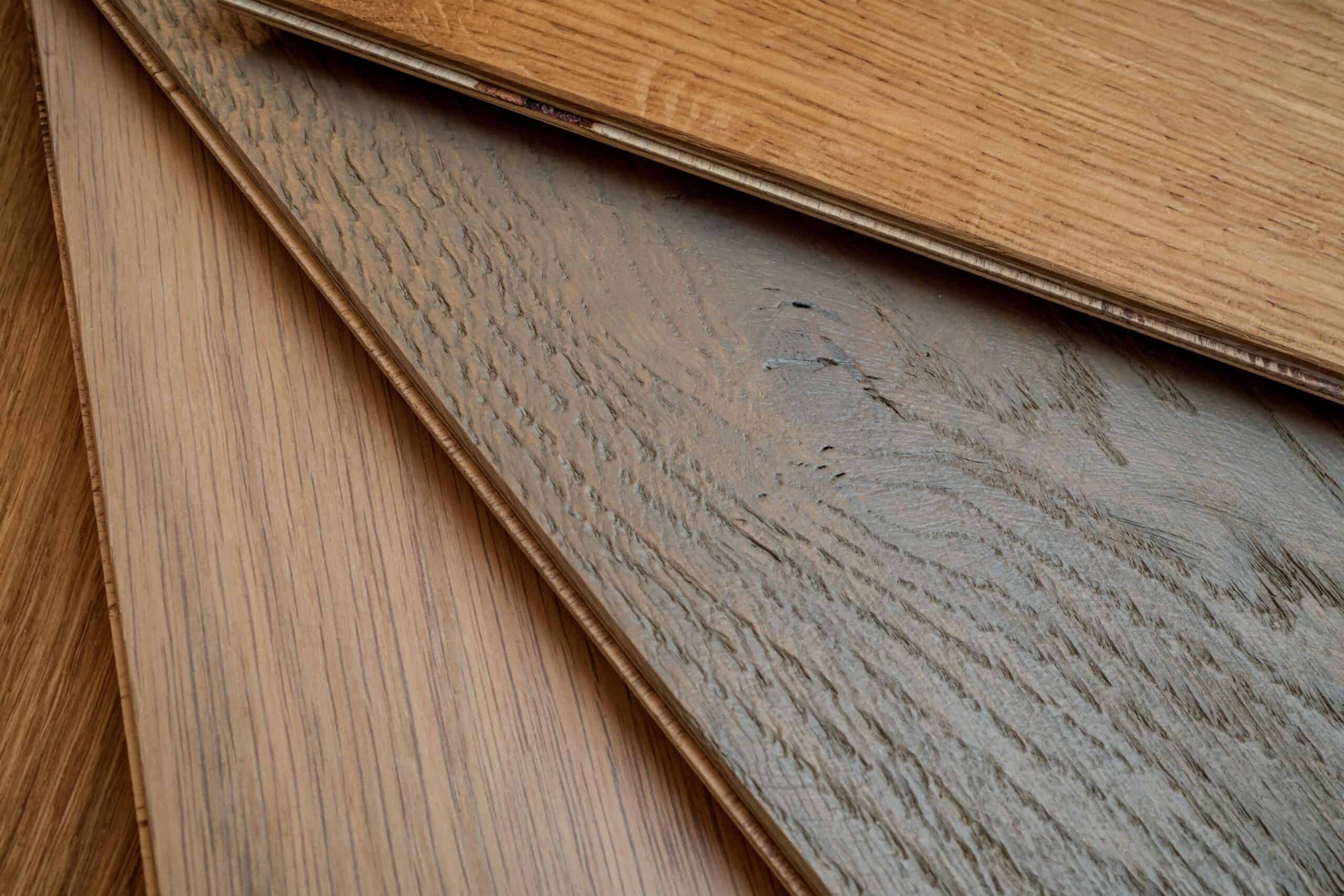
This is where homeowners get burned. They compare two oak samples, decide they look nearly identical, and choose the cheaper box.
The appearance tells you almost nothing about how those floors are built.
A better comparison starts with the product specifications: wear layer, total thickness, core construction, veneer cut, finish system, approved installation methods, subfloor requirements, and warranty conditions.
Cheap engineered hardwood is not automatically a bad purchase. Paying premium money for a thin-veneer product with limited restoration potential is.
Wear Layer and Veneer Thickness Matter More Than the Label
Total plank thickness and veneer thickness are not the same measurement. A thick engineered plank can still have a relatively thin real-wood surface.
The wear layer determines how much actual hardwood exists above the core. More usable wood generally means more room for future refinishing or repair, though manufacturer guidance still takes priority.
Do not shop by a single “ideal thickness” number. A floor should be judged as a system. Veneer thickness, core quality, finish, installation method, and intended room all work together.
Look at the technical sheet before committing to hundreds or thousands of square feet. If the manufacturer does not clearly state the veneer thickness, core construction, approved subfloors, and installation requirements, that is useful information by itself.
Factory finish deserves the same scrutiny. Quality prefinished hardwood flooring can arrive with a durable, controlled finish system, but the finish should still be evaluated alongside the underlying plank construction.
Warranty language can expose weak spots, too. Pay attention to humidity requirements, moisture exclusions, radiant-heat limitations, and approved installation methods. Those details tell you how narrow the manufacturer’s acceptable operating conditions really are.
Compare samples from various species only after the technical basics clear the bar. White oak or hickory can look great, but neither compensates for a weak core or a wear layer that does not fit your plan. The best engineered hardwood flooring is the engineered flooring product whose construction, finish, and approved installation method match the room.
Wood Species, Surface Texture, and Veneer Cut
Wood species affects appearance and surface performance, but homeowners often give it too much weight compared with construction quality. A premium wood species does not rescue a poorly built plank.
White oak remains popular because of its grain and versatile appearance. Red oak tends to show a more pronounced grain. Hickory has stronger variation and character, maple is usually lighter and tighter grained, and walnut brings a darker, richer look.
Surface texture changes the finished appearance as well. A wire brushed surface can soften the look of small scratches and emphasize the grain, which makes it practical for active households.
There is another specification almost nobody asks about: veneer cut.
Dry-sawn or sliced veneers often produce grain patterns that look closer to traditional solid hardwood. Rotary-peeled veneer is produced differently and can create broader, more dramatic, unique grain patterns. Two engineered oak floors can therefore look noticeably different even when both boxes list the same species.
This is why selecting the best engineered hardwood flooring for a project cannot be reduced to oak versus hickory or thick versus thin. Look at the whole plank.
Engineered Hardwood Installation: Nail-Down, Floating, and Glue-Down
Engineered hardwood installation can be nail-down, floating, or glue-down depending on the product and subfloor. The correct method starts with the manufacturer’s requirements and existing floor conditions, not with whichever method seems easiest.
Click-lock engineered flooring may be installed as a floating floor without nails or full-spread glue. Other engineered wood flooring is designed to be glued to concrete or mechanically fastened over plywood.
For homeowners comparing professional hardwood installation, this is where contractor judgment becomes important. Flatness, moisture, substrate condition, transitions, and the product itself should all be checked before installation begins.
How Installation Method Changes the Finished Floor
A floating floor is not just a glue-free version of the same installation. It can sound and feel different underfoot because the plank assembly sits over an underlayment rather than being bonded directly to the substrate.
Glue-down installation can create a more solid feel and may be appropriate over approved concrete. Nail-down installation works well over compatible wood subfloors but is not an option simply because the homeowner prefers it.
Repairability differs too. The easiest system to install is not always the easiest system to repair. Choosing an installation method without considering the finished feel and long-term serviceability is usually the wrong call.
Durability, Refinishing, and Proper Care for Engineered Hardwood
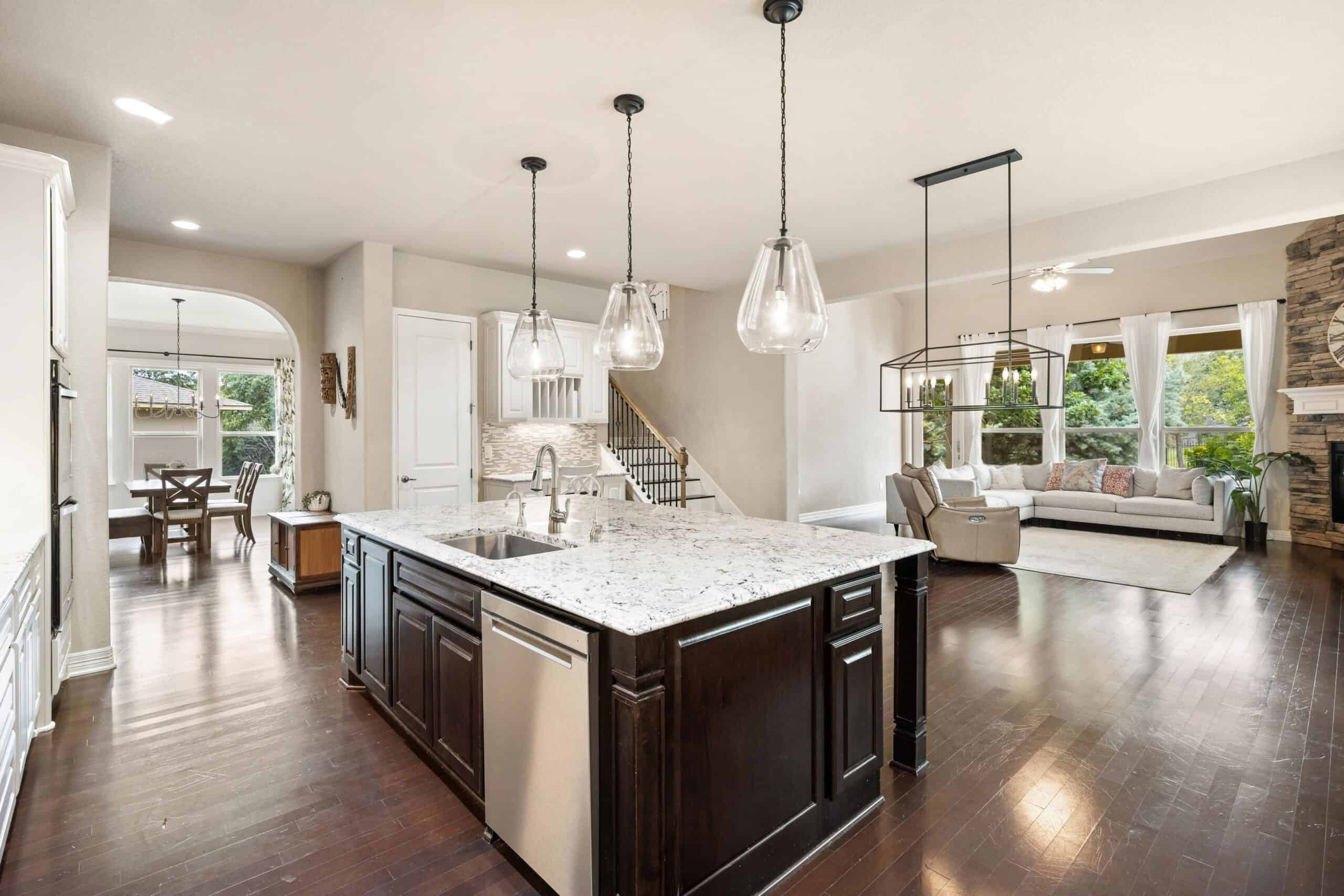
A durable engineered hardwood floor starts with the right product. Species, finish quality, wear layer thickness, household traffic, moisture control, and maintenance all affect how the surface ages.
Quality engineered floors can last for decades with proper care, but no useful lifespan applies to every product. A thin budget veneer in heavy foot traffic is not comparable to a thicker, well-finished plank installed in a controlled interior space.
Routine maintenance is simple: remove grit with sweeping or vacuuming, use wood-safe cleaners, and damp-mop lightly rather than soaking the floor. Standing water should be cleaned up quickly.
Can Engineered Hardwood Be Refinished?
Some engineered hardwood can be refinished. Some cannot.
A sufficiently thick wear layer may allow the surface to be sanded and refinished, sometimes more than once. A thin veneer may only support light screening or recoating, if that.
Sanding too deeply can expose the plywood or fiberboard beneath the hardwood surface. Before refinishing an existing engineered floor, identify the product or measure the available veneer rather than assuming it can be treated like solid wood.
What Does Engineered Hardwood Flooring Cost?
Engineered hardwood cost can vary significantly depending on wood species, grade, veneer thickness, overall plank thickness, finish, dimensions, and construction. Entry-level materials may be advertised around the mid-single digits per square foot, while premium engineered floors can cost considerably more.
Installation changes the project price too. Glue-down work, floor flattening, moisture mitigation, removal of existing flooring, and other preparation can cost more than the difference between two material options.
Engineered flooring is not automatically the budget version of solid hardwood. On a real home renovation, the better value is the floor that suits the subfloor, can be installed correctly, and has enough durability for the homeowner’s long-term plans.
Is Engineered Hardwood the Right Choice for Your Home?
Engineered hardwood is a great choice when you want the appearance and feel of real hardwood but need more dimensional stability or installation flexibility than solid hardwood provides. It is especially useful for compatible concrete applications and spaces where seasonal movement needs to be controlled.
It is a poor choice when the room has unresolved moisture, repeated standing-water exposure, or when the product itself has a very thin veneer and the homeowner expects to refinish it repeatedly. No construction method turns hardwood into a waterproof floor.
Judge the material, subfloor, moisture conditions, installation method, and expected service life together. That decision produces better floors than choosing from a sample board and trying to solve the technical problems later.