
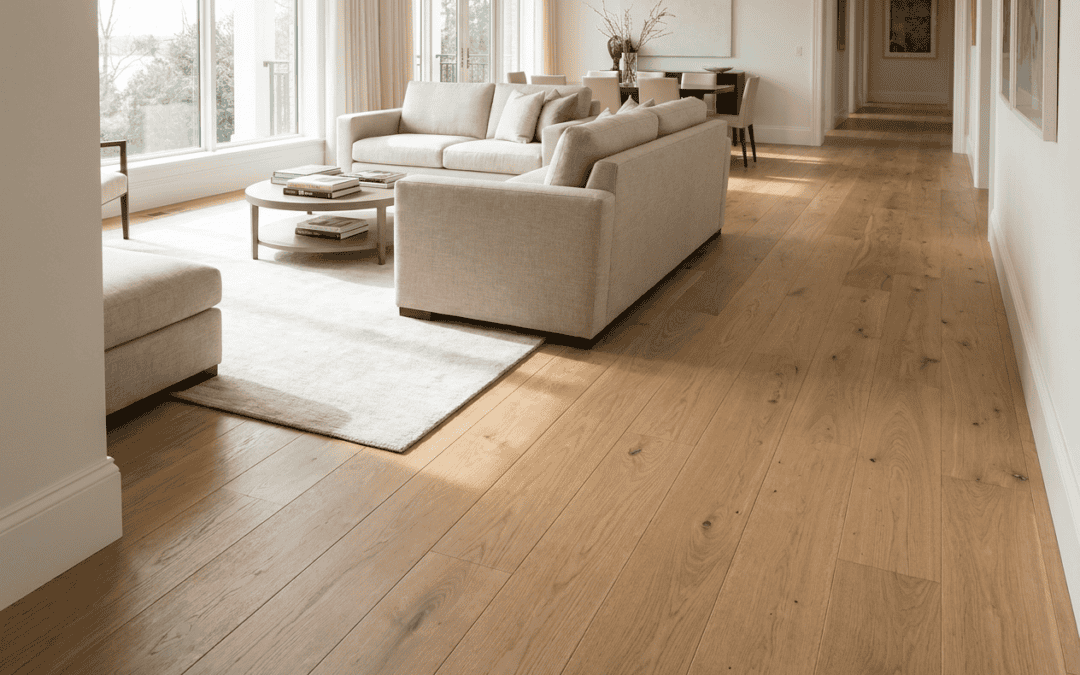
Prefinished hardwood flooring takes a major part of the flooring process out of the house. Instead of installing raw wood and then sanding, staining, and applying finish on site, the boards arrive with their color and protective finish already applied at the factory.
You may also see the product described as pre finished hardwood flooring, but the idea is the same: the visible surface is finished before the flooring reaches the job site. That can make installation faster, reduce dust and odors inside the home, and provide a more predictable finished appearance.
Prefinished hardwood is not automatically better than unfinished hardwood. Factory finishing offers durability and consistent color, while unfinished flooring gives the installer more control over stain, sheen, and the final surface. The better choice depends on the home environment, design goals, installation time, and how much customization matters.
What Is Prefinished Hardwood Flooring?
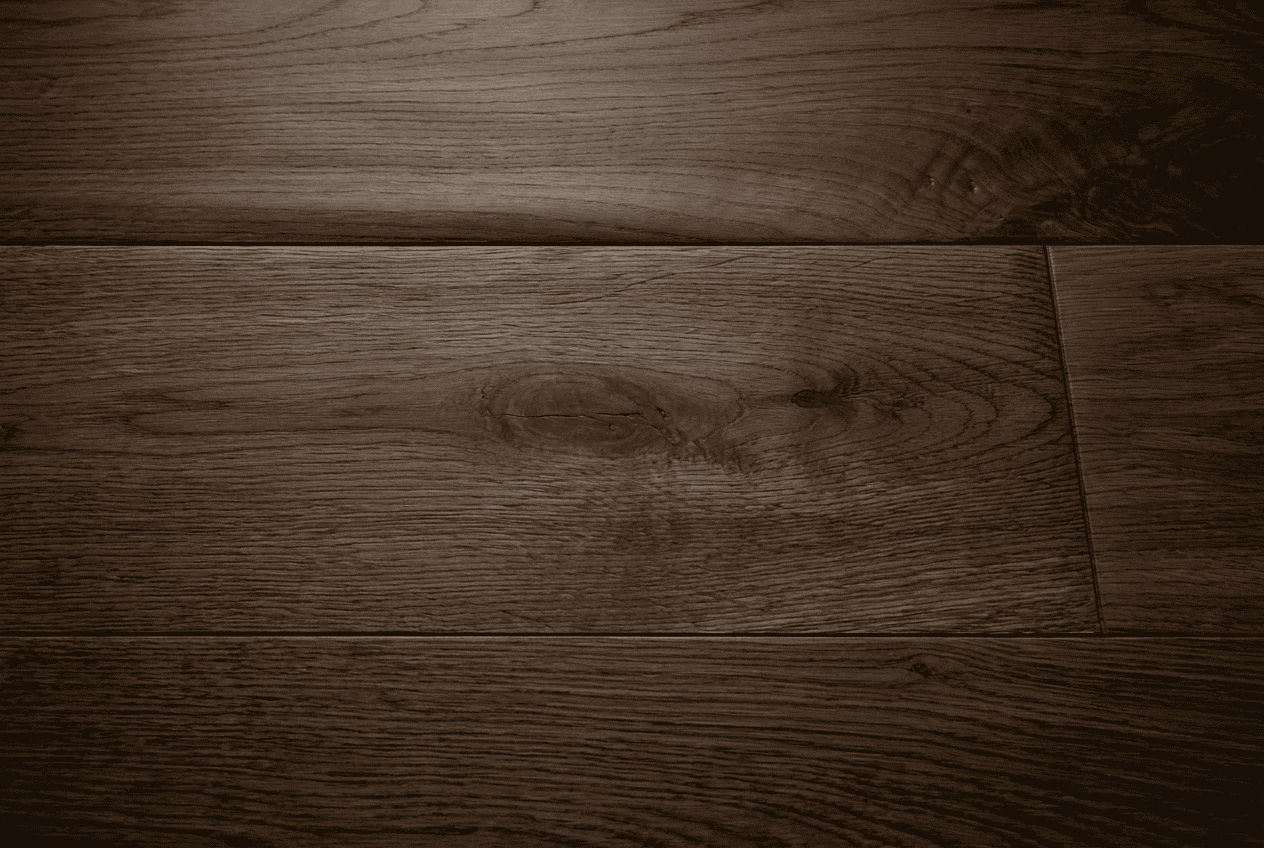
Prefinished hardwood is real hardwood flooring that has already been sanded, stained when applicable, sealed, and finished by the manufacturer.
The boards arrive ready for installation rather than requiring finishing after they are installed. Prefinished wood flooring can be either solid hardwood or engineered hardwood, so “prefinished” describes how the surface is completed rather than how the plank itself is constructed.
That distinction matters. A solid or engineered floor can both have a factory-applied finish, but the two products still respond differently to moisture, humidity, installation conditions, and future refinishing.
How Factory Finishing Works
Factory finishing takes place under controlled conditions where manufacturers can manage coating thickness, curing, temperature, and other variables more consistently than is possible on most residential job sites.
Many prefinished hardwood products use multiple layers of protective coating. Aluminum oxide is common in factory-finished hardwood because it creates an exceptionally hard, wear-resistant surface. Aluminum oxide ranks about 9 on the Mohs hardness scale, which helps explain why these finishes can resist everyday abrasion so well.
Manufacturers may also use UV curing, exposing the finish to intense UV light so it hardens before the flooring is packaged. That means the homeowner receives boards with the finish already cured rather than waiting for coats applied inside the house to dry.
For a closer look at aluminum oxide, polyurethane, oil-based finishes, sheen, and other hardwood floor finishes, see our Hardwood Floor Finishes: Types, Benefits, and Differences guide.
Prefinished Hardwood vs. Unfinished Hardwood
The biggest difference between prefinished flooring and unfinished hardwood is not the wood species. It is where the sanding, staining, and finishing happen.
With prefinished hardwood, each plank arrives with its completed surface. With unfinished hardwood, raw boards are installed first. The entire floor is then sanded, stained if desired, and finished on site as one continuous surface.
Neither approach is automatically superior. They solve different priorities.
Prefinished Flooring Offers a More Consistent Finish
Because the coating is applied under controlled factory conditions, prefinished boards generally provide a uniform finish and consistent color from plank to plank.
Factory-applied coatings can also be extremely durable. Aluminum oxide and other modern finish systems are designed to handle normal foot traffic, furniture, pets, and household wear.
That said, no hardwood is scratch-proof. Felt pads under furniture, area rugs in appropriate high traffic areas, prompt spill cleanup, and regular maintenance still help protect the floor.
Unfinished Hardwood Gives You More Site Control
Unfinished wood gives the flooring contractor more control once the boards are installed.
The stain can be tested in the actual room and adjusted to work with cabinetry, trim, or a surrounding floor. That makes unfinished hardwood useful when many homeowners are trying to achieve a very specific stain color or a close match to existing hardwood flooring.
On site finishing also allows the installed boards to be sanded together. The result can be a smoother, more seamless look because small differences between individual boards are flattened before the finish is applied.
The tradeoff is disruption. Sanding creates dust, finishing adds extra steps, and some products can create strong fumes while curing. Depending on the finish system, the room may also need to remain out of service after installation.
Why Prefinished Hardwood Often Has Beveled Edges
One difference homeowners may notice between prefinished hardwood and a site finished floor is how clearly individual boards are defined.
Many prefinished boards have slightly beveled edges or micro-bevels. Because the boards are finished individually at the factory, those beveled edges help accommodate small differences in height from one plank to another.
The result is a slightly more defined board-by-board appearance. Depending on the product, the bevel may be barely noticeable or become an intentional part of the flooring design.
A site finished floor can often create a flatter, more seamless look because sanding takes place after all of the boards have been installed.
Neither appearance is wrong. Before making the final decision, look at a large flooring display rather than judging the edge treatment from one loose plank.
Prefinished Solid Hardwood vs. Engineered Hardwood
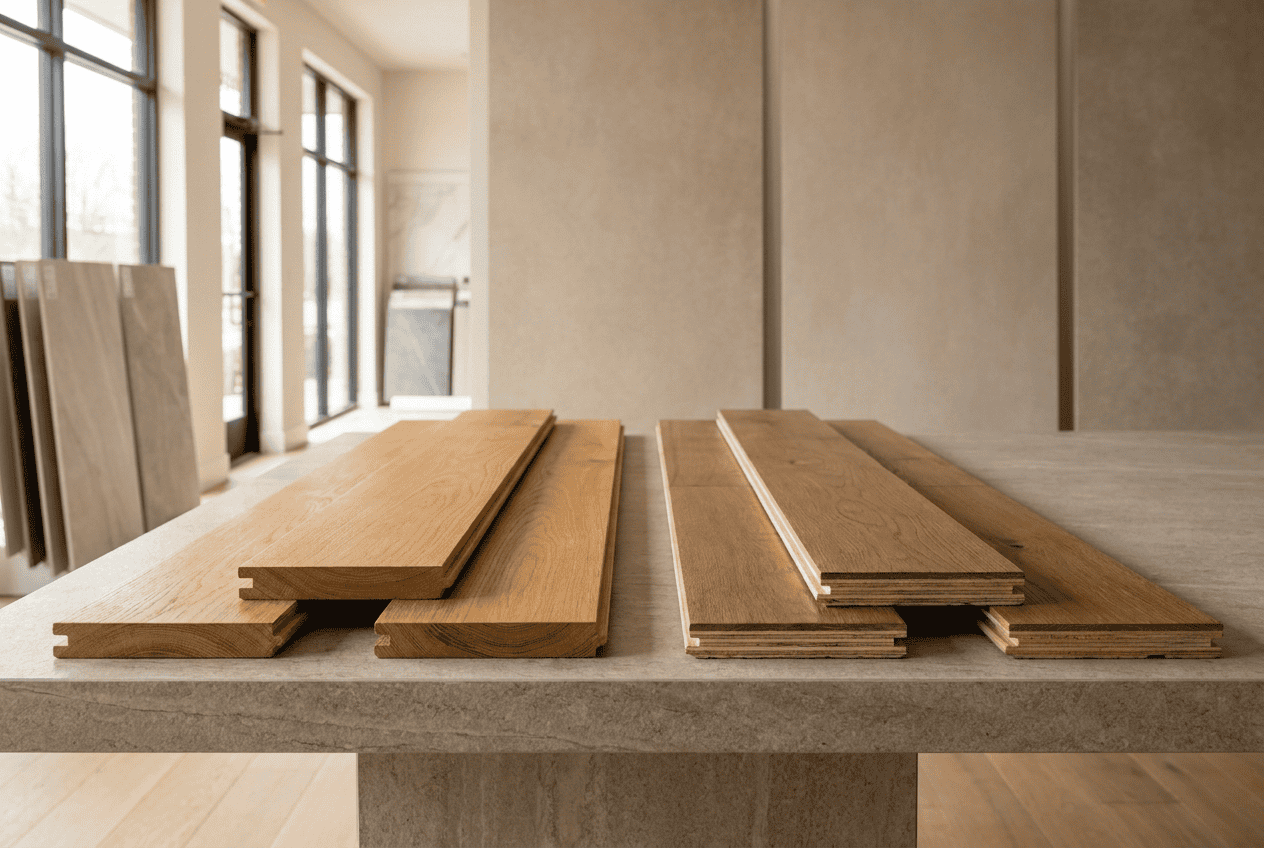
Prefinished wood flooring can be made as either solid hardwood or engineered hardwood.
Prefinished solid hardwood is milled from a solid piece of wood and then factory finished. Solid wood floors generally provide more material for future sanding and refinishing, assuming the floor remains in suitable condition.
Engineered hardwood has a real wood wear layer over a layered core, often made from plywood. That construction generally makes an engineered floor more dimensionally stable as humidity changes, which can make it useful in locations where solid hardwood is more difficult to install.
For more information about wear layer thickness, construction, moisture response, and installation options, see Engineered Hardwood Flooring: What Homeowners Should Know.
The factory finish does not change those construction differences. A durable coating cannot make a solid plank respond to moisture like engineered hardwood, and an engineered product should still be judged by its core, wear layer, and approved installation method.
Appearance and Color Options in Prefinished Wood Flooring
Prefinished flooring is available in far more styles than many homeowners expect.
Manufacturers offer oak, white oak, red oak, maple, hickory, walnut, birch, and other wood species in a wide range of stains, textures, sheens, and plank widths. Wider planks can create a more contemporary appearance, although wider wood flooring may also make natural movement more noticeable as indoor conditions change.
White oak may have a light natural finish or a medium brown stain. Hickory can emphasize dramatic color and grain variation, while maple creates a smoother, quieter appearance.
Because the stain and finishing work are completed before installation, samples generally provide a useful picture of the finished color. Real wood still varies, however, so one board cannot show every grain pattern, mineral streak, or color change that will appear across an entire room.
Consistent Color Does Not Mean Identical Boards
Factory finishing can produce consistent color without making every piece of hardwood look exactly alike.
The coating should be controlled, but the wood underneath it should still show natural variation. That variation is part of what separates real wood from flooring made with a repeated printed pattern.
When comparing prefinished hardwood flooring, look at several boards or a large showroom display whenever possible. The more square footage you can see together, the easier it is to judge how the finished floor will actually read in your home.
How Long Does Prefinished Hardwood Installation Take?
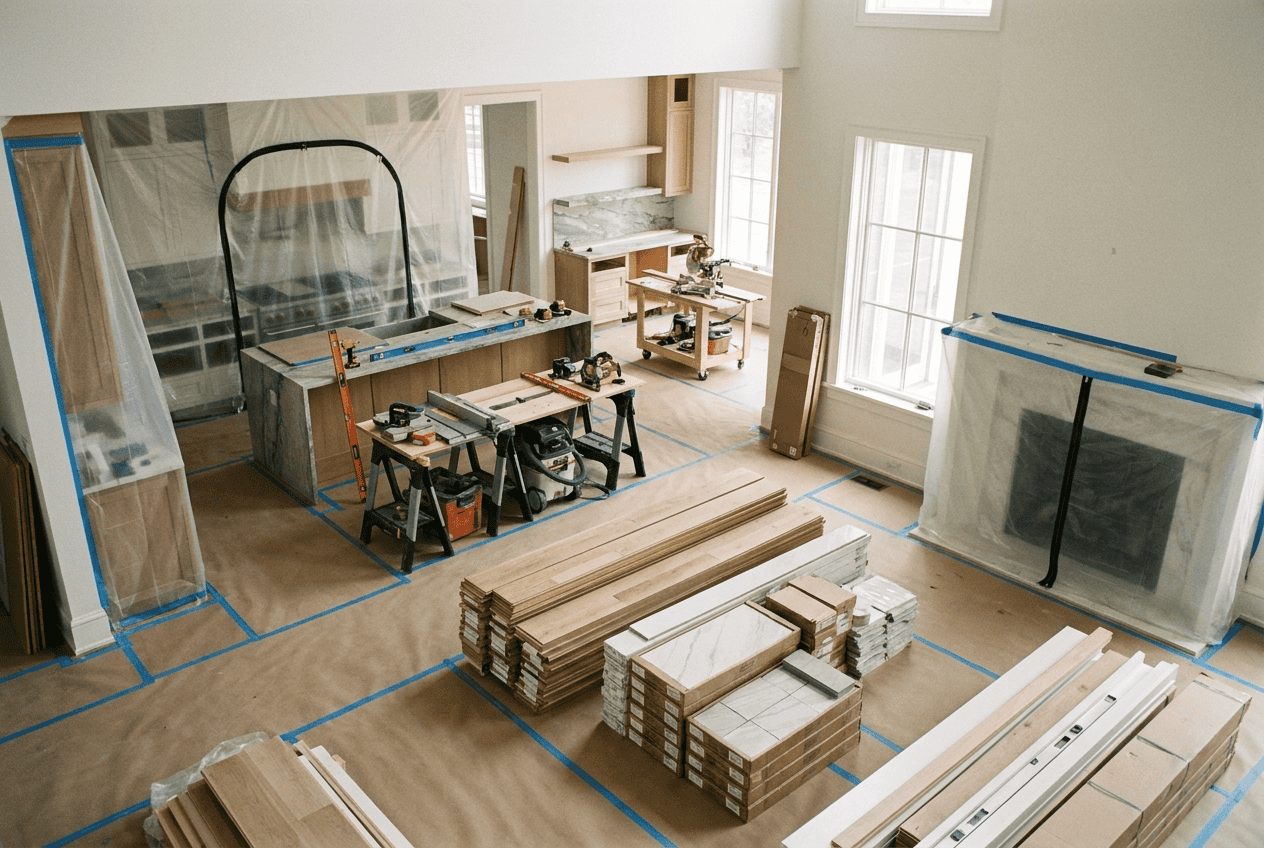
One of the biggest practical advantages of prefinished flooring is a shorter overall installation process.
For many straightforward residential projects, contractors can install prefinished flooring in roughly one to two days, although actual installation time depends on square footage, subfloor preparation, transitions, room layout, and the installation method. Larger or more complicated projects naturally take longer.
Once the boards are installed, there is no separate sanding, staining, coating, and curing schedule. In many cases, homeowners can walk on prefinished hardwood immediately after installation because the factory finish has already cured.
That is a meaningful difference from a site finished floor, where the installer may finish laying the wood but the room still cannot return to normal use until the coatings have cured.
For more on acclimation, moisture testing, subfloor preparation, layout, and fastening methods, see our hardwood installation guide.
Faster Installation Does Not Mean Skipping Preparation
Prefinished hardwood may arrive ready to install, but the house still has to be ready for the flooring.
The subfloor must meet the manufacturer’s requirements for flatness, structure, and moisture. The flooring also needs to reach appropriate moisture conditions for the home before installation.
The National Wood Flooring Association’s technical guidelines emphasize following manufacturer requirements for job-site conditions and installation. That preparation matters whether the flooring was finished at a factory or will be finished in the house.
Installation crews also need to protect the face of prefinished boards carefully. Minor surface marks in unfinished wood may disappear during the later sanding process. Prefinished flooring already has its final surface, so installation damage can be more difficult to correct.
Is Prefinished Hardwood Good for High Traffic Areas?
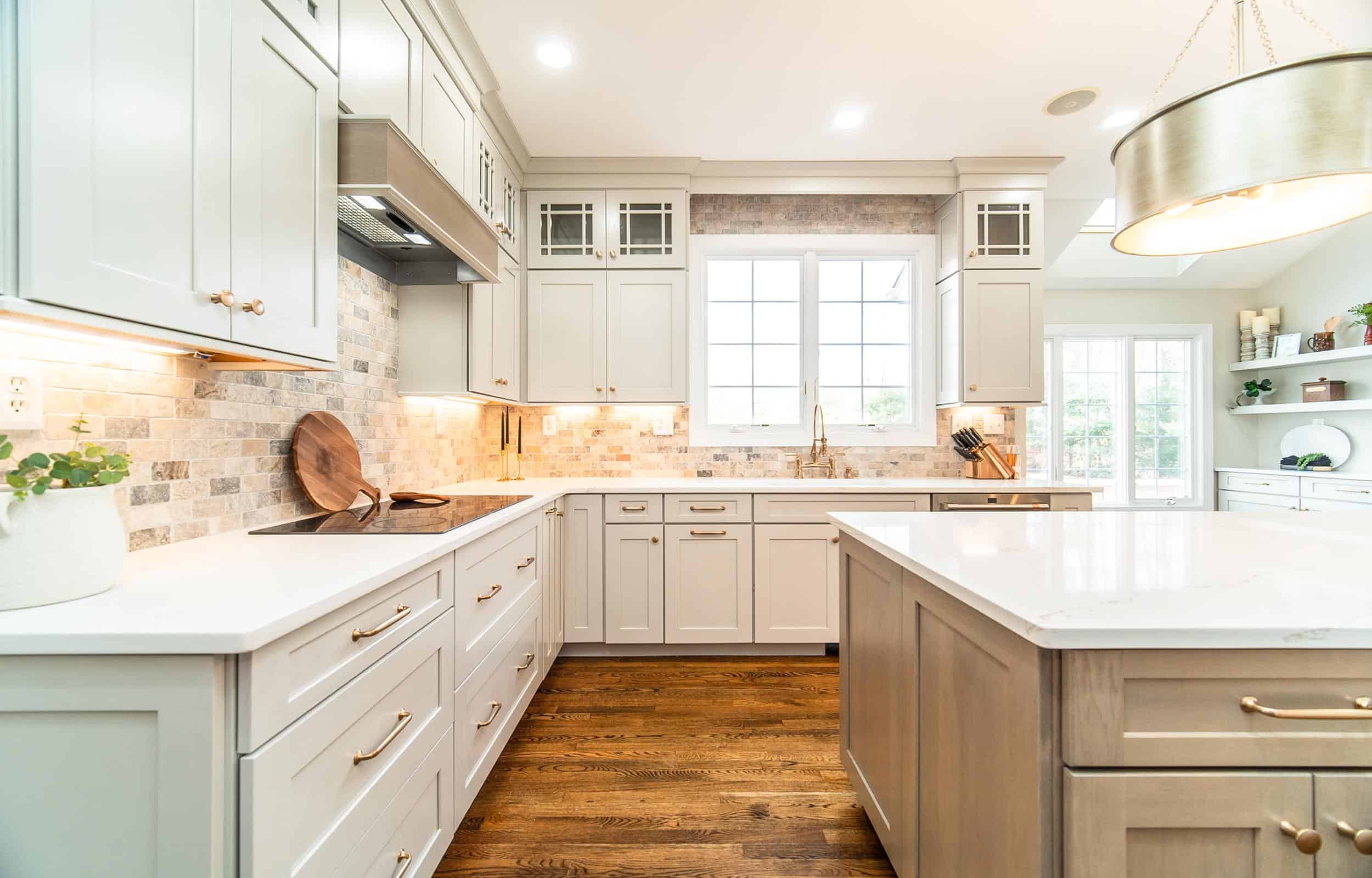
A quality factory finish makes prefinished hardwood a strong option for many busy households and high traffic areas.
Aluminum oxide finishes are particularly valued for wear and scratch resistance. The hardness of the coating does not mean the floor underneath cannot dent, though. Wood species still matters.
A hickory floor and a walnut floor could have similarly durable factory finishes but react differently when a heavy object is dropped because hickory is considerably harder than walnut.
The home environment matters as well. Pets, shoes, grit, furniture, moisture, direct sunlight, and cleaning habits all contribute to how hardwood ages.
Prefinished hardwood works particularly well for homeowners who want a durable surface without bringing the sanding and finishing process into an occupied home.
How Long Does Prefinished Hardwood Flooring Last?
There is no expiration date that applies to every prefinished floor, but quality products can remain in service for decades.
Some flooring manufacturers cite 25 to 30 years or more with proper care for prefinished hardwood, while individual products may carry residential finish warranties of 25 years, 50 years, or even longer. A warranty period should not be confused with an exact prediction of how long the wood itself will last.
Wood species, finish quality, foot traffic, moisture conditions, maintenance, and the construction of the floor all affect longevity.
Solid hardwood has another advantage: if enough usable wood remains, the floor can often be sanded and refinished instead of replaced. That can extend its useful life well beyond the life of the original factory finish.
Can Prefinished Hardwood Be Refinished?
Yes, many prefinished floors can be refinished, but the construction of the flooring determines what is possible.
Solid prefinished hardwood can generally be sanded and refinished when enough wood remains above the tongue-and-groove profile. The durable factory coating can make the initial sanding more demanding, particularly when aluminum oxide is part of the finish.
Engineered hardwood requires more caution. Refinishing depends on the thickness of the real wood wear layer. A thicker wear layer may allow complete sanding and refinishing, while a thin veneer may support only a screen-and-recoat process or no aggressive sanding at all.
This is why the claim that most prefinished hardwood floors can simply be refinished multiple times needs context. A thick solid hardwood floor and a thin engineered plank may both be prefinished, but their future refinishing potential can be very different.
When Unfinished Hardwood May Be the Better Choice
Prefinished hardwood offers convenience, but there are projects where unfinished flooring earns the extra work.
If you need to match existing hardwood, unfinished wood provides much more control over stain. It can also make sense when a custom stain or exceptionally smooth surface is more important than installation time.
Historic homes, additions, and projects where new flooring connects directly with an existing floor may benefit from that flexibility.
The downside is that sanding and finishing become part of the work happening inside the home. For busy households, avoiding that extra dust, odor, and downtime can be a significant reason to choose prefinished wood instead.
Is Prefinished Hardwood Flooring Right for Your Home?
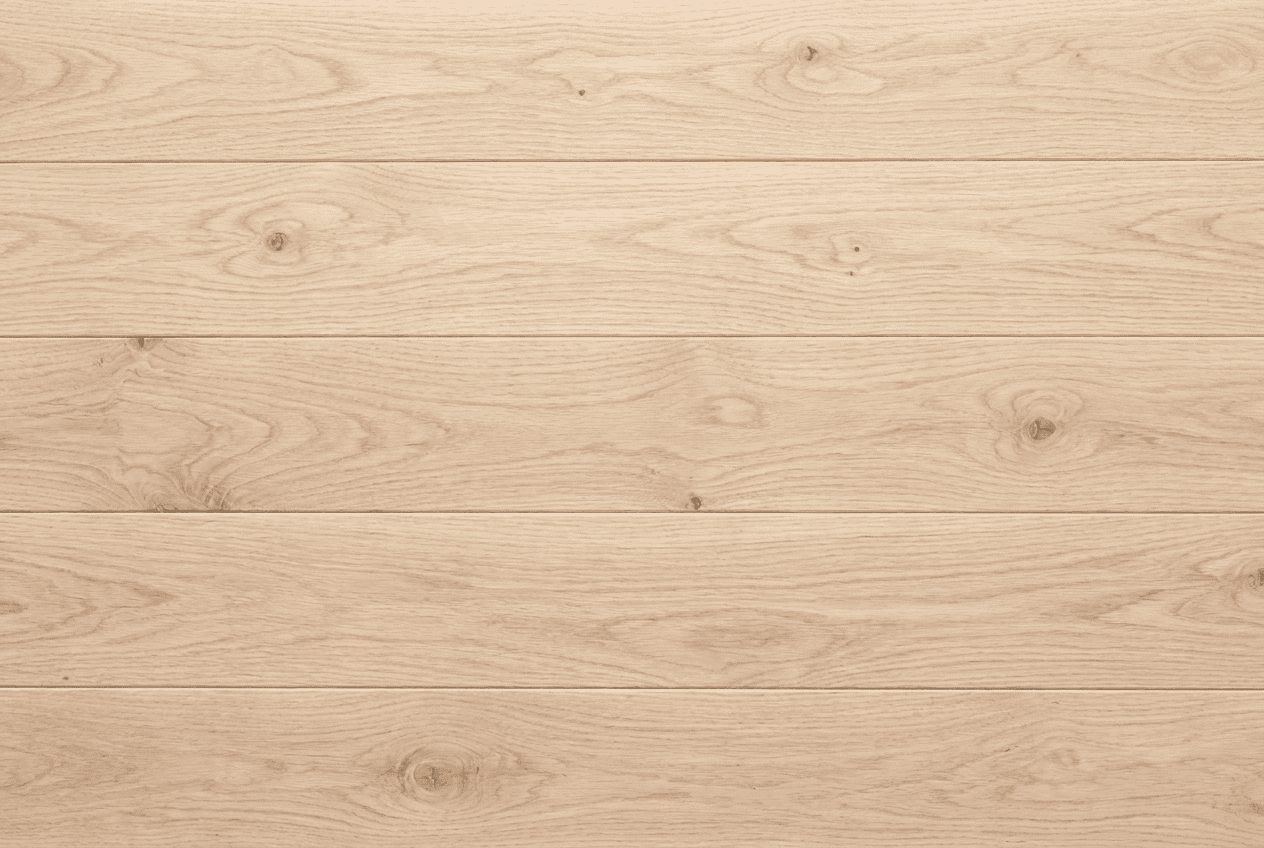
Prefinished hardwood flooring makes the most sense when durability, predictable finish quality, and a faster return to normal use are priorities.
Factory-applied finishes can provide strong wear resistance, consistent color, and a durable surface from the day the flooring is installed. Because the finish has already cured, many installations can return to light foot traffic immediately rather than waiting for site-applied coatings to dry.
Unfinished hardwood still offers advantages when a custom stain, close match to surrounding flooring, or completely smooth site finished floor matters most.
Oregon Floor Works helps homeowners in Medford and throughout Southern Oregon compare prefinished hardwood, unfinished hardwood, solid hardwood, and engineered flooring before installation begins. The right choice depends on the construction of the floor, the conditions in the home, the desired appearance, and how homeowners expect the flooring to perform years after the job site is cleaned up.