Homeowners across the country are embracing bold new directions in flooring design. The flooring trends 2025 showcase a fascinating blend of sustainability, technology, and aesthetic innovation that transforms how spaces look and function. From reclaimed materials to cutting-edge manufacturing techniques, this year’s options offer something for every style and budget.
The flooring industry has responded to changing lifestyles and environmental concerns with remarkable creativity. These trends reflect a desire for durability, beauty, and responsible choices that reduce waste while enhancing the home environment.
Flooring Trends 2025: What’s Driving Change
The shift in flooring style comes from several factors. Open concept homes demand cohesive design elements that flow between living rooms, kitchens, and dining areas. Homeowners want floors that look beautiful while standing up to pets, children, and daily wear. Environmental consciousness pushes the market toward eco friendly options that minimize environmental footprint without sacrificing quality.
Technology plays a major role. Manufacturers now create materials that mimic natural wood and natural stone with stunning accuracy. These advances make premium looks accessible at various price points while offering superior water resistant properties and easy maintenance.
Did you know? The composite material used in modern engineered wood can actually be more stable than solid wood because it resists expansion and contraction from humidity changes.
Natural Stone Takes Center Stage
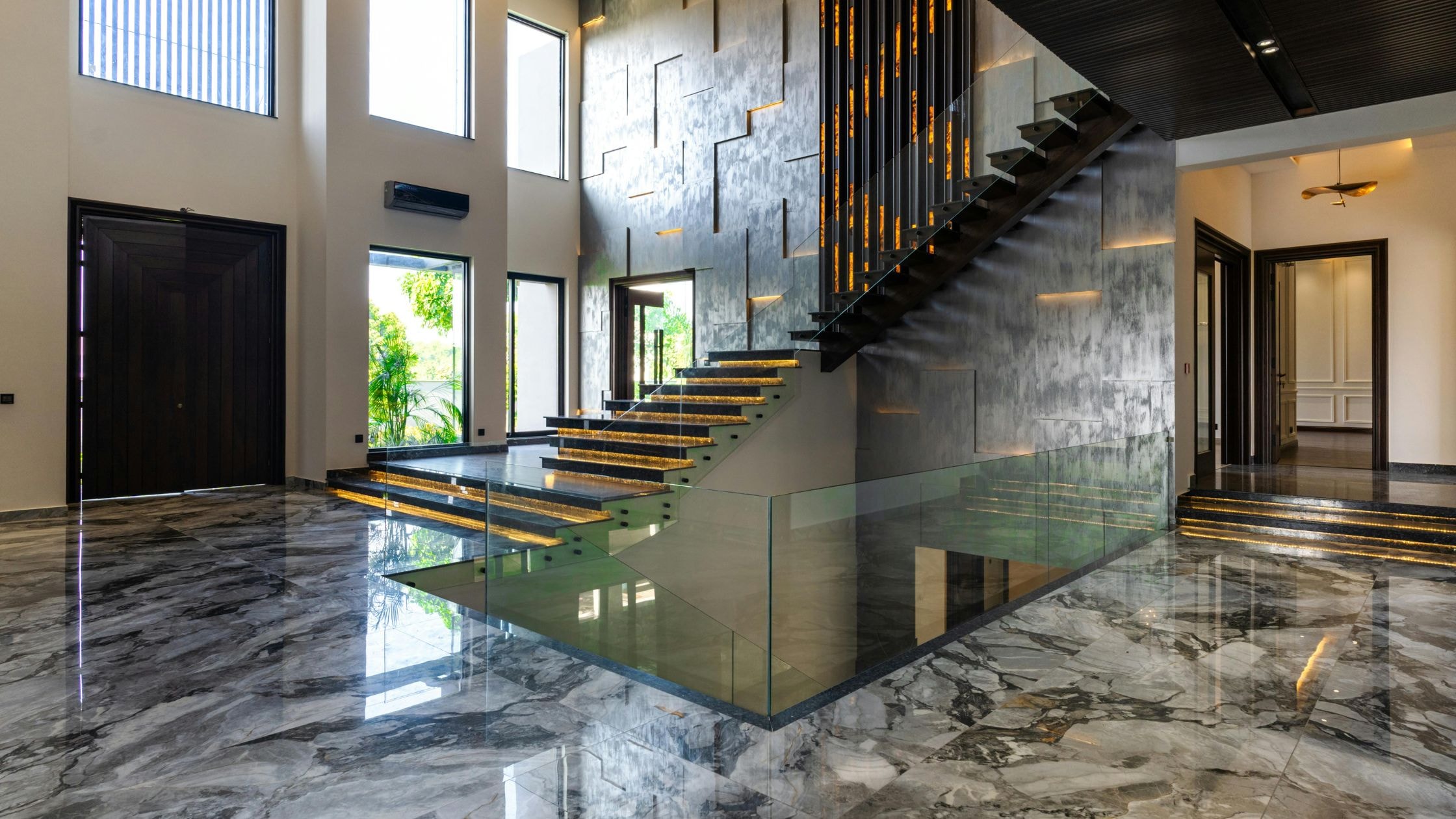
Natural stone emerges as a top choice for homeowners seeking timeless appeal and durability. Marble, travertine, limestone, and slate bring unique character to spaces. Each piece features distinct veining and color variations that make floors truly one-of-a-kind.
Stone floors work beautifully in entryways, kitchens, and bathrooms. The material handles moisture and temperature fluctuations better than many alternatives. Natural stone pairs well with both traditional and contemporary designs, adapting to different aesthetics with ease.
Honed finishes have gained popularity over polished surfaces. This treatment creates a softer, more organic look while reducing the appearance of minor scratches and wear patterns. The texture also provides better traction in wet areas.
Natural stone requires proper sealing and maintenance, but the investment pays off. These floors can last generations when cared for properly, making them both a practical and eco friendly choice that reduces the need for replacement.
Luxury Vinyl Plank Dominates the Market
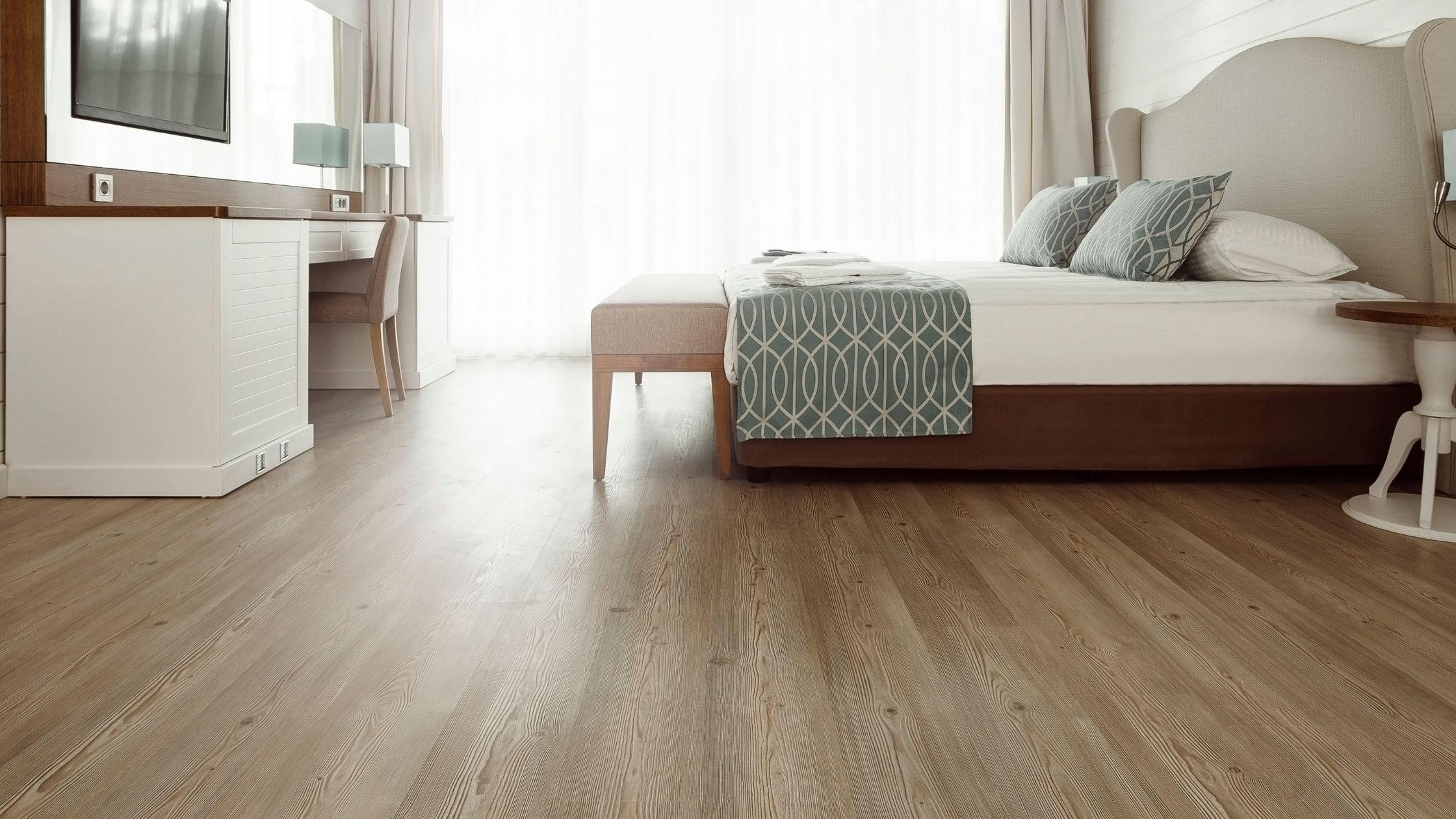
Luxury vinyl plank continues its impressive growth in the flooring market. This material delivers the appearance of hardwood floors without the sensitivity to moisture or temperature. The technology behind LVP has reached a point where distinguishing it from real wood becomes difficult at a glance.
The construction of luxury vinyl plank involves multiple layers that provide stability, comfort, and protection. The wear layer shields against scratches, stains, and fading. The printed design layer captures the grain patterns and color variations found in natural materials. The core provides structural integrity and water resistance.
Why Homeowners Choose LVP
Installation simplicity ranks high among the benefits. Many products feature click-lock systems that allow for floating installation over existing floors. This approach saves time and reduces labor costs while maintaining flexibility for future changes.
Maintenance requirements remain minimal. Regular sweeping and occasional mopping keep these floors looking fresh for years. The material resists water damage, making it suitable for basements, laundry rooms, and bathrooms where traditional hardwood would fail.
Quick tip: When selecting luxury vinyl plank, check the wear layer thickness—thicker wear layers (20 mil or more) provide better protection in high-traffic areas and maintain their appearance longer.
The variety of designs available means homeowners can find options that perfectly complement any decor style. From light oak to rich walnut, the choices span the full spectrum of wood tones. Some products even replicate the look of reclaimed wood from old barns, complete with saw marks and nail holes.
Wider Planks Transform Spaces

The trend toward broader planks continues to gain momentum. These wider planks create a more spacious feeling in rooms by reducing the number of seams visible across the floor. The look reads as more modern and upscale compared to traditional narrow boards.
Planks now commonly measure seven to nine inches wide, with some premium options reaching twelve inches or more. This format works particularly well in larger spaces where narrow boards can create a busy, cluttered visual effect. The broader format also showcases the natural beauty of wood grain patterns more effectively.
Both solid wood and engineered wood come in these generous widths. The stability of engineered products makes them particularly well-suited for wider planks, as they resist cupping and warping better than solid alternatives.
Gray Floors Evolve

Grey floors dominated interiors for years, but the approach to this color palette has matured. Cool gray floors now share space with warmer, more nuanced tones that add depth and personality to spaces. The stark, cool grays of previous years give way to greiges (gray-beige hybrids) and gray with brown undertones.
These evolved gray floors pair beautifully with both warm tones and cool accents in furnishings and wall colors. The versatility makes them practical for homeowners who like to refresh their decor without replacing flooring. The muted tones provide a neutral foundation that doesn’t compete with other design elements.
The move away from purely cool grays reflects a broader shift toward adding warmth to interiors. Homeowners seek comfort and coziness rather than the stark minimalism that characterized earlier trends.
Geometric Patterns Make Bold Statements

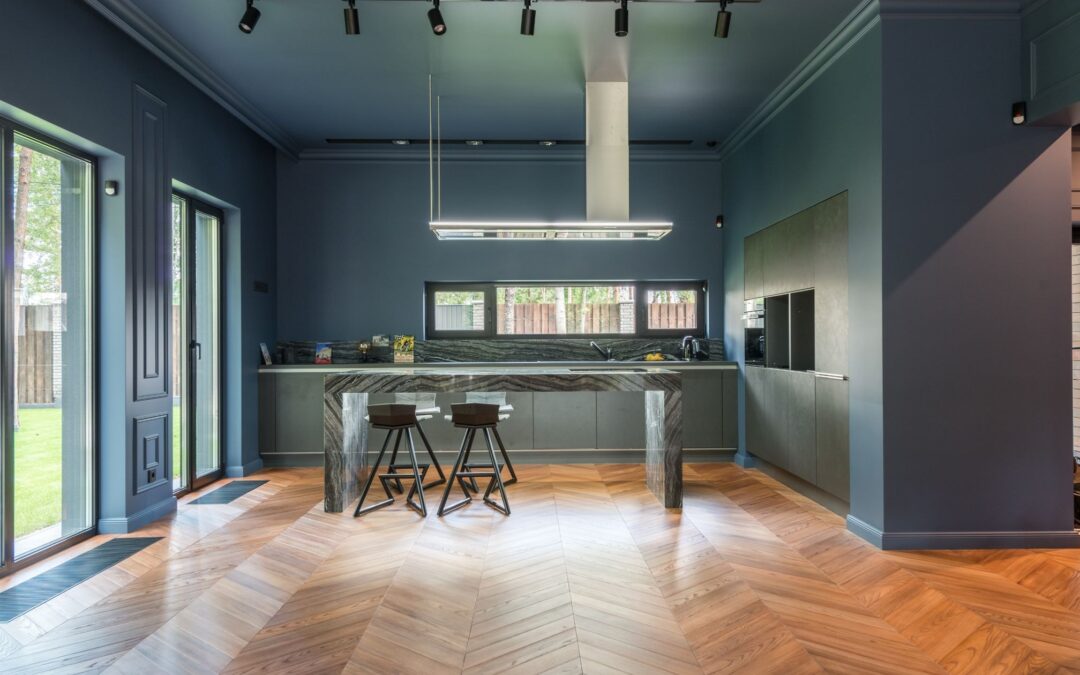
Pattern has returned to flooring in exciting ways. Geometric patterns ranging from classic herringbone and chevron to modern hexagons and diamonds add visual interest to spaces. These designs create focal points and define areas within open floor plans.
The herringbone pattern remains particularly popular. This timeless arrangement works with wood flooring, luxury vinyl plank, and porcelain tile. The angled installation creates movement and sophistication that draws the eye across the room.
Chevron offers a similar aesthetic but with a more contemporary edge. The pointed zigzag pattern requires precise cutting and installation but delivers dramatic results. Both patterns work well in hallways, entryways, and as accent areas within larger spaces.
Mixing Materials for Visual Impact
Mixed materials create dynamic looks by combining different flooring types within a single space. Homeowners might transition from wood in the living area to tile in the kitchen, using the material change to define zones without walls. This approach adds depth and interest while serving practical purposes.
Mixing materials requires careful planning to ensure smooth transitions and cohesive design. The key lies in selecting materials that share similar color values or complementary tones. A warm oak wood floor transitions naturally to terra cotta tile, while cool-toned wood pairs well with gray stone.
Did you know? Professional installers can create custom transition strips that seamlessly connect different materials, even when they vary in thickness—this detail makes mixed materials look intentional rather than cobbled together.
High Gloss Floors Add Drama

High gloss floors create striking visual impact with their reflective surfaces. These finishes work particularly well in contemporary and modern interiors where clean lines and dramatic contrasts define the aesthetic. The shine amplifies natural light and makes spaces feel larger and more open.
The glossy finish requires more maintenance than matte or satin alternatives. Dust, footprints, and minor scratches show more readily on reflective surfaces. However, many homeowners find the visual payoff worth the extra attention.
High gloss floors work best in formal areas like dining rooms and entryways rather than high-traffic zones. The combination of beauty and strategic placement allows homeowners to enjoy the dramatic effect without constant upkeep challenges.
The Carpet Trend Shifts

Wall to wall carpeting has evolved beyond the basic beige expanses of previous decades. Today’s carpet trend embraces texture, pattern, and rich colors that add personality to spaces. Homeowners rediscover the cozy comfort that only soft flooring provides, particularly in bedrooms and family rooms.
Loop pile carpets offer durability and a casual, textured appearance. Cut pile options provide softness underfoot. Patterned carpets hide stains and wear better than solids while adding visual interest. Natural fiber options like wool provide eco friendly alternatives to synthetic materials.
Carpet tiles present another innovative option. These modular pieces allow for creative installations with multiple colors or patterns. If a section becomes stained or damaged, replacing individual tiles proves far easier than repairing or replacing entire rooms of carpeting.
Large Format Tiles Create Seamless Looks

Large format tiles continue to gain popularity for their clean, contemporary appearance. These oversized pieces minimize grout lines, creating smoother visual flow and easier maintenance. Common sizes now reach 24×48 inches and beyond, with some installations using massive slabs that span entire walls or floors.
The reduced number of grout lines means less scrubbing and sealing over time. The expansive surface also makes spaces feel larger and more open. Large format tiles work beautifully in living rooms, kitchens, and bathrooms where a sleek, uninterrupted surface enhances the design.
Installation requires expertise. The size and weight of large format tiles demand proper substrate preparation and specialized techniques to ensure level, stable placement. Working with experienced professionals ensures successful results. For detailed guidance on installation best practices, homeowners can reference comprehensive resources on flooring installation.
Porcelain Tile Versatility
Porcelain tile has become a go-to material for its durability and design flexibility. Modern manufacturing creates wood look tiles that capture the warmth of natural wood with the water resistance and durability of ceramic. These products perform beautifully in bathrooms, kitchens, basements, and mudrooms.
The material resists staining, scratching, and fading. It handles temperature fluctuations without damage, making it suitable for rooms with radiant heat systems. The combination of beauty and performance explains why porcelain remains a top choice for homeowners nationwide.
Many homeowners exploring tile options benefit from understanding the specific requirements and processes involved. Resources like tile flooring installation guides provide valuable insights into preparation, layout, and maintenance considerations.
Eco Friendly Flooring Gains Ground

Environmental concerns influence purchasing decisions more than ever. Eco friendly flooring options made from sustainable materials appeal to homeowners who want to minimize their environmental footprint. These choices range from bamboo and cork to recycled materials and reclaimed wood.
Cork flooring offers natural antimicrobial properties along with excellent sound absorption and thermal insulation. The material comes from bark harvested without harming trees, making it a renewable resource. Cork provides cushioning underfoot that reduces fatigue in areas where people stand for extended periods.
Reclaimed wood from old barns, factories, and warehouses brings character and history to modern homes. This material reduces waste while delivering unique beauty that new lumber cannot match. Each board tells a story through its weathering, nail holes, and varied patina.
Manufacturers increasingly offer low VOC finishes that improve indoor air quality. These water-based products release fewer harmful chemicals during and after installation, creating healthier home environments. The flooring industry has made significant strides in developing products that protect both people and planet.
According to the National Wood Flooring Association, properly maintained wood floors can last 100 years or more, making them one of the most sustainable flooring choices available when considering their full lifecycle.
Frequently Asked Questions
What flooring trends will dominate in 2025?
The biggest flooring trends include wider planks in wood and vinyl, large format tiles with minimal grout lines, geometric patterns like herringbone, and eco friendly materials. Natural stone and textured finishes also take center stage as homeowners seek durability and natural aesthetics.
Are gray floors still popular?
Gray floors remain popular but have evolved. Homeowners now favor warmer gray tones and greiges rather than the cool grays of previous years. These nuanced options add warmth while maintaining the versatile neutral foundation that works with various decor styles.
What makes luxury vinyl plank so popular?
Luxury vinyl plank combines the appearance of hardwood floors with superior water resistance and easy maintenance. The material installs quickly, costs less than solid hardwood floors, and performs well in any room. Advanced printing technology creates realistic wood looks that fool even trained eyes.
Is wall to wall carpeting making a comeback?
Carpet has returned with fresh approaches. Homeowners embrace textured options, patterned designs, and natural fibers that provide cozy comfort in bedrooms and family spaces. Carpet tiles offer flexibility for creative installations and easy repairs.
How do mixed materials work in open floor plans?
Mixing materials helps define zones within open concept homes without physical barriers. The key involves selecting complementary colors and textures that create visual distinction while maintaining overall cohesion. Professional installation ensures smooth transitions between different flooring types.
What makes a flooring choice eco friendly?
Eco friendly flooring minimizes environmental impact through sustainable sourcing, recycled content, or long lifespan that reduces replacement frequency. Cork, bamboo, reclaimed wood, and products with low VOC finishes all qualify. Durability matters too—floors that last decades prevent waste.
Do high gloss floors work in every room?
High gloss floors suit formal spaces like dining rooms and entryways where dramatic visual impact enhances the design. These finishes require more maintenance and show wear more readily than matte options, making them less practical for high-traffic areas.
What advantages do large format tiles offer?
Large format tiles reduce grout lines for easier cleaning and a more seamless appearance. They make spaces feel larger and create a contemporary aesthetic. The installation requires expertise to ensure proper leveling and support for the oversized pieces.
Creating Your Perfect Floor
Choosing flooring involves balancing aesthetics, performance, and budget. The flooring trends for 2025 offer abundant options that meet diverse needs and personal style preferences. Whether drawn to the warmth of natural wood, the durability of stone, or the practicality of vinyl, homeowners can find materials that perfectly complement their vision.
The trends highlighted here reflect broader shifts toward sustainability, authenticity, and thoughtful design. These floors do more than cover surfaces—they shape how spaces feel and function. Taking time to explore options, understand properties of different materials, and consider long-term maintenance helps ensure satisfaction for years to come.
Working with experienced professionals ensures proper installation and lasting beauty. The right floor transforms a house into a home, providing the foundation for memories and daily life in spaces that truly reflect who we are.