
Transforming a space with new floors no longer requires professional installers or expensive materials. Peel and stick vinyl flooring has revolutionized home improvement projects, offering homeowners an affordable path to fresh, updated rooms. This innovative flooring option combines style with practicality, making it a popular choice for DIY enthusiasts.
The appeal of these floors extends beyond simple installation. Homeowners discover that stick tile products provide realistic designs mimicking hardwood, stone, and ceramic at a fraction of the cost. Whether updating a rental apartment or refreshing a dated bathroom, this flooring type delivers results without the commitment of permanent installation.
Understanding Peel and Stick Vinyl Flooring
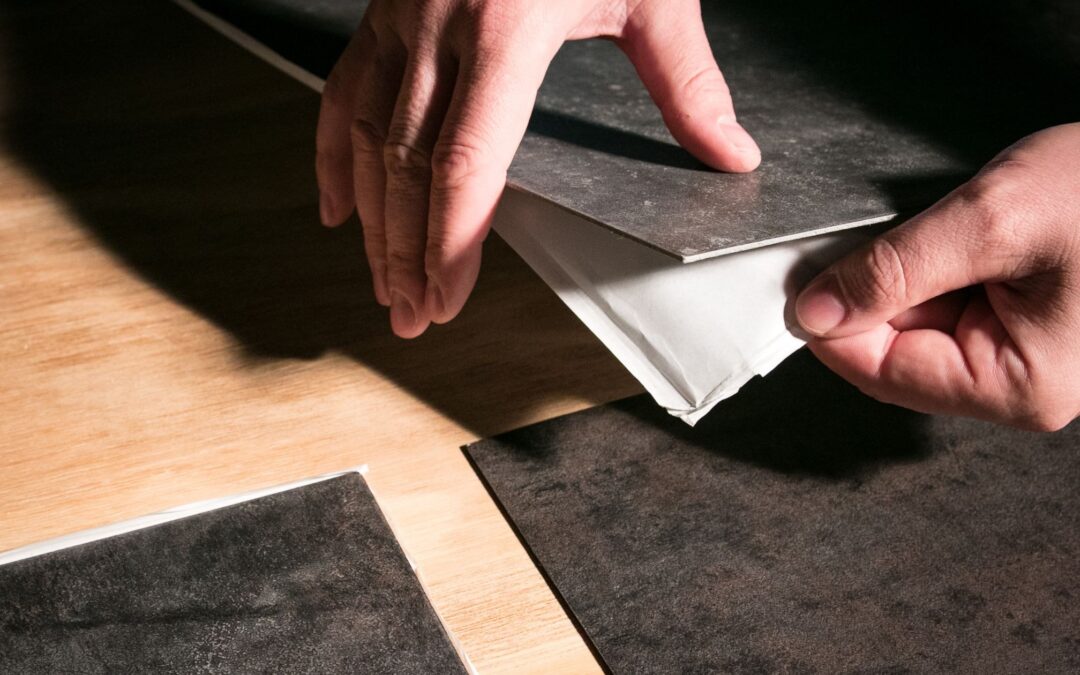
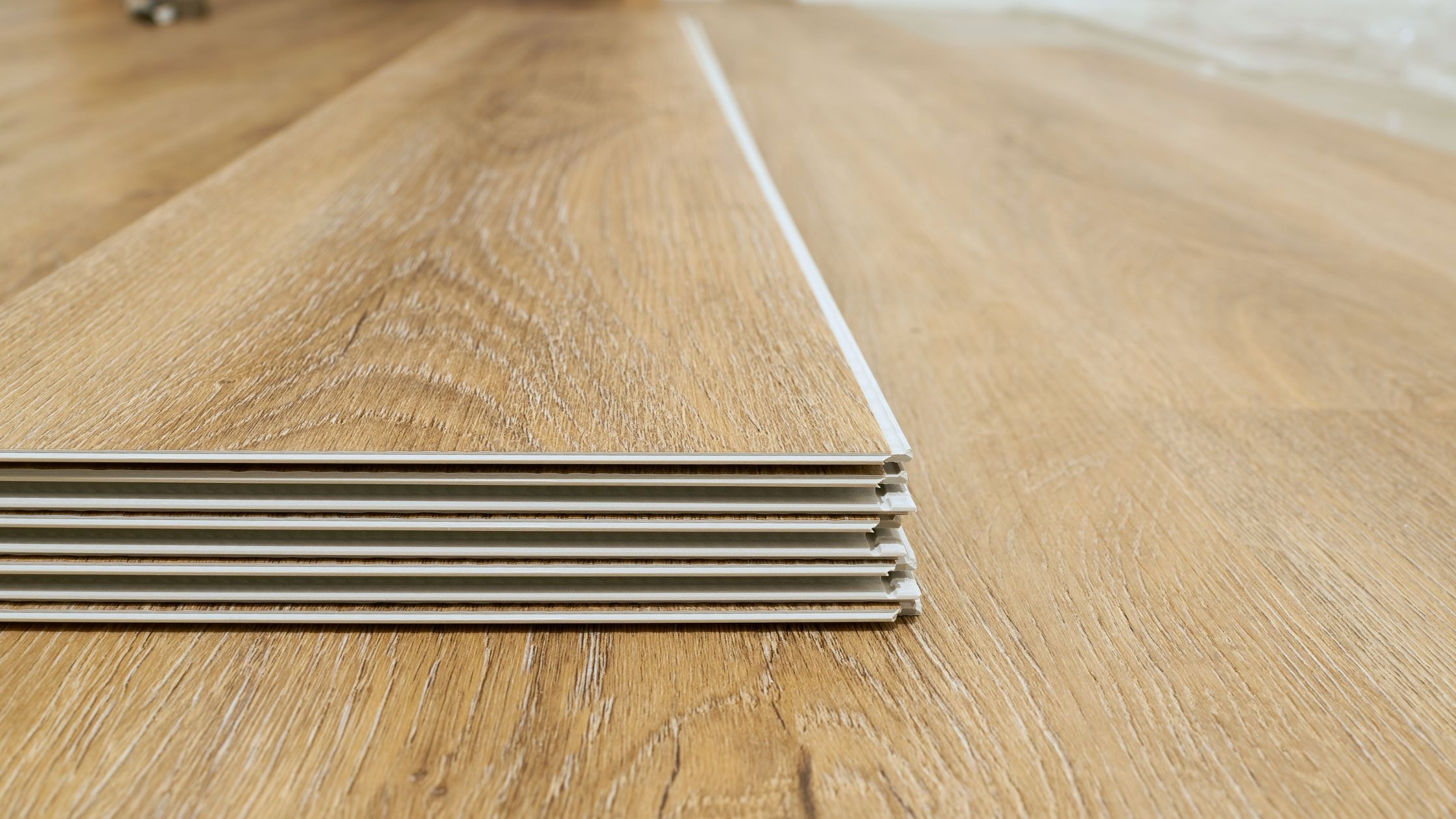
These floors consist of vinyl planks or tiles with adhesive backing. Manufacturers apply a strong adhesive to the underside, protected by a paper covering. Installers simply remove the protective layer and press the tile onto a clean, smooth surface. The adhesive bonds to the subfloor, creating a secure hold that withstands daily use.
Modern options feature enhanced durability and water resistant properties that make them suitable for various rooms throughout the home. The product line includes countless designs, from classic white oak to dramatic black slate patterns. Homeowners find options that fit any décor vision, whether aiming for rustic charm or contemporary elegance. Blue tones ranging from soft coastal hues to deep navy create calming atmospheres in bedrooms and bathrooms.
Did you know? Some peel and stick floors now include embossed textures that replicate the authentic feel of natural materials, fooling even the most discerning eyes.
The Advantages of Stick Tile Floors
Budget-Friendly Installation
Cost savings represent one of the primary benefits. Traditional flooring installation requires professional labor, specialized tools, and significant time investment. Peel and stick products eliminate these expenses. Homeowners access professional-looking results without permission from landlords for permanent modifications, making these floors ideal for renters.
The ease of installation means projects that might take professionals several days become weekend DIY tasks. One person can complete a standard room in just a few hours. This efficiency saves both time and money while delivering immediate visual impact. The easy nature of the process makes it accessible to beginners with no prior flooring experience.
Versatility Across Spaces
These floors work in multiple environments. Kitchens, bathrooms, laundry rooms, and basements all benefit from water resistant or waterproof options. The vinyl material handles moisture better than traditional hardwood, protecting the subfloor from potential damage. Waterproof varieties offer even greater protection in wet areas, providing peace of mind against spills and splashes.
High traffic areas throughout the home withstand the demands placed on peel and stick surfaces. Hallways, entryways, and living spaces maintain their appearance despite constant foot traffic. The resilient nature of vinyl ensures floors look fresh for years. Easy maintenance requirements make these floors practical for busy households where time remains limited.
Quick tip: Always order 10% extra material to account for cutting mistakes and future repairs.
Design Flexibility
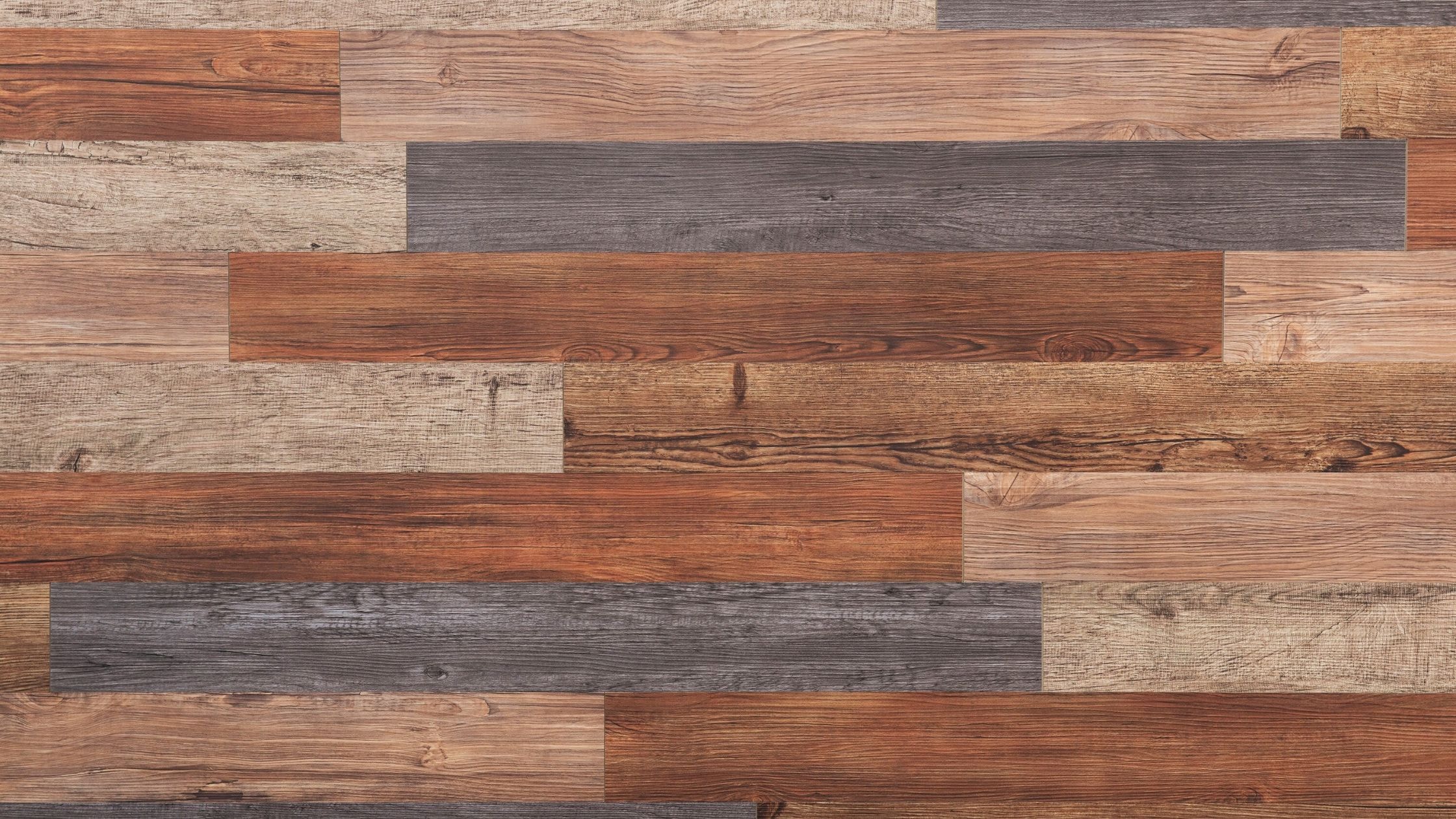
The range of available designs allows homeowners to enhance any room’s aesthetic. Options include warm wood tones, cool slate gray, fresh white marble, crisp blue patterns, and earthy green hues. Each style offers unique character that transforms ordinary spaces into designer-quality rooms. Blue ceramic tile patterns bring Mediterranean charm to kitchens, while blue stone looks add sophistication to entryways.
Product manufacturers continually introduce new patterns and textures. This constant innovation means homeowners find current, trendy options that reflect modern design sensibilities. The ability to mix patterns or create custom layouts adds another layer of creative freedom.
Potential Drawbacks to Consider
Durability Concerns
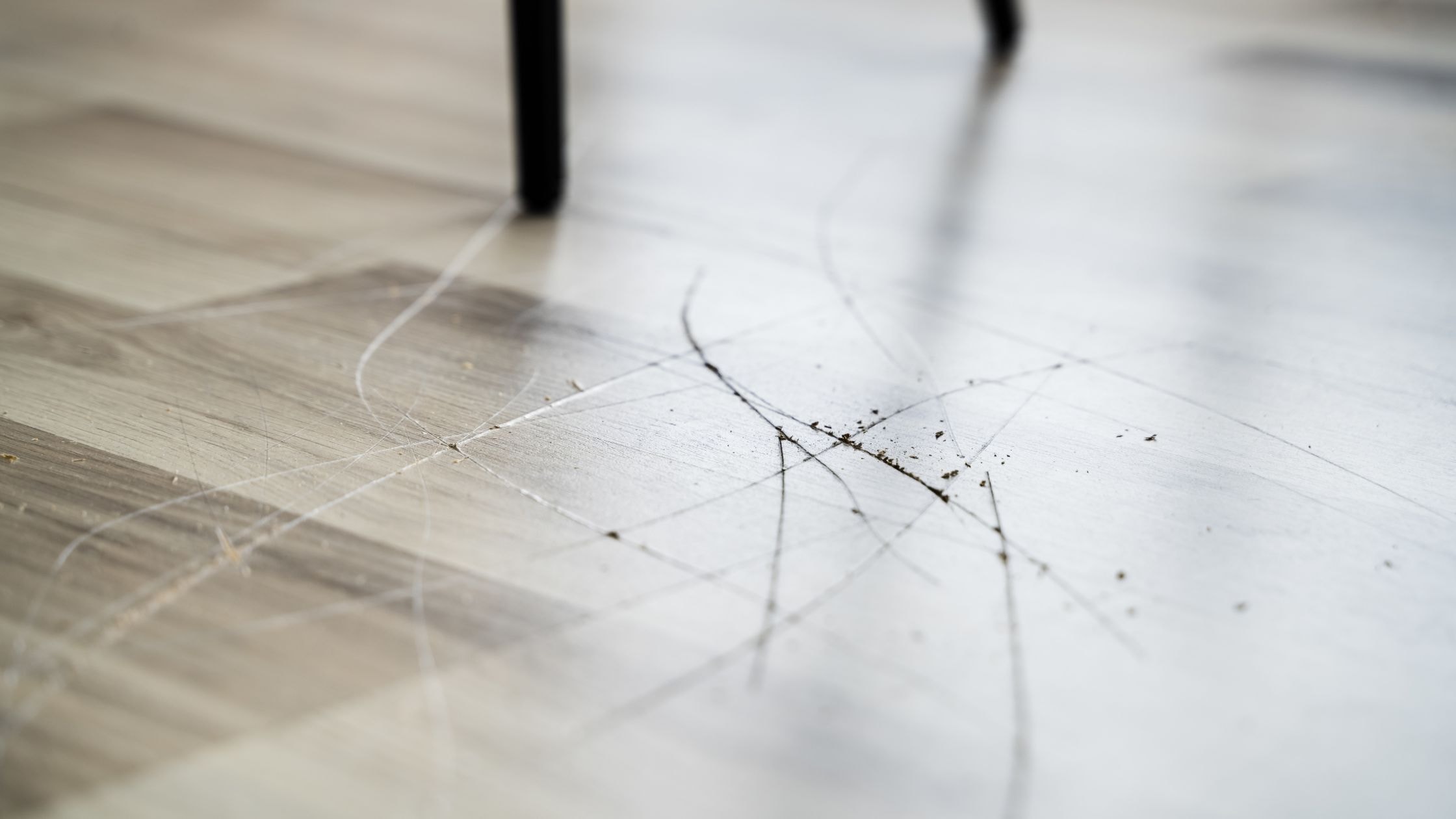
While these floors offer many benefits, they lack the longevity of traditional options. Heavy furniture may create indentations. Sharp objects can tear or puncture the vinyl surface. Pet claws sometimes damage the wear layer, exposing the adhesive beneath.
Concrete subfloors must be perfectly smooth and level. Any imperfections telegraph through the vinyl, creating visible bumps or gaps. Proper preparation becomes essential for achieving professional results that last. Concrete surfaces often require additional work to create the ideal foundation for peel and stick installation.
Surface Preparation Requirements
Success depends on thorough preparation. The existing floor must be clean, dry, and flat. Dust, debris, or moisture prevents proper adhesion. Homeowners must invest time in preparing the space before installation begins.
Uneven surfaces require leveling compound. Old adhesive residue needs complete removal. These preparatory steps add time to the project and may require additional materials and effort. Concrete floors may need primer or sealing before stick tiles will adhere properly.
Did you know? Temperature affects adhesive performance—installing floors in rooms below 65°F reduces the bond strength and may cause tiles to lift over time.
Limited Repair Options
Damaged tiles require replacement. Unlike traditional floors that permit spot repairs or refinishing, peel and stick options need complete tile removal. This process sometimes damages surrounding tiles, expanding the repair area beyond the original problem spot.
The adhesive strength diminishes with each removal attempt. Reinstalling tiles rarely achieves the same secure hold as the initial application. Homeowners should purchase extra product during the original installation to ensure matching replacements remain available.
DIY Installation Tips for Success
Prepare the Surface
Clean floors thoroughly before starting. Sweep, vacuum, and mop to remove all dirt and grime. Allow concrete or existing floors to dry completely. Any trapped moisture will compromise adhesive performance.
Check for level surfaces using a straightedge. Sand down high spots and fill low areas with appropriate leveling compound. This attention to detail ensures professional results that enhance the overall appearance of the room. Concrete preparation proves especially important, as rough or porous concrete prevents proper stick adhesion.
Plan the Layout
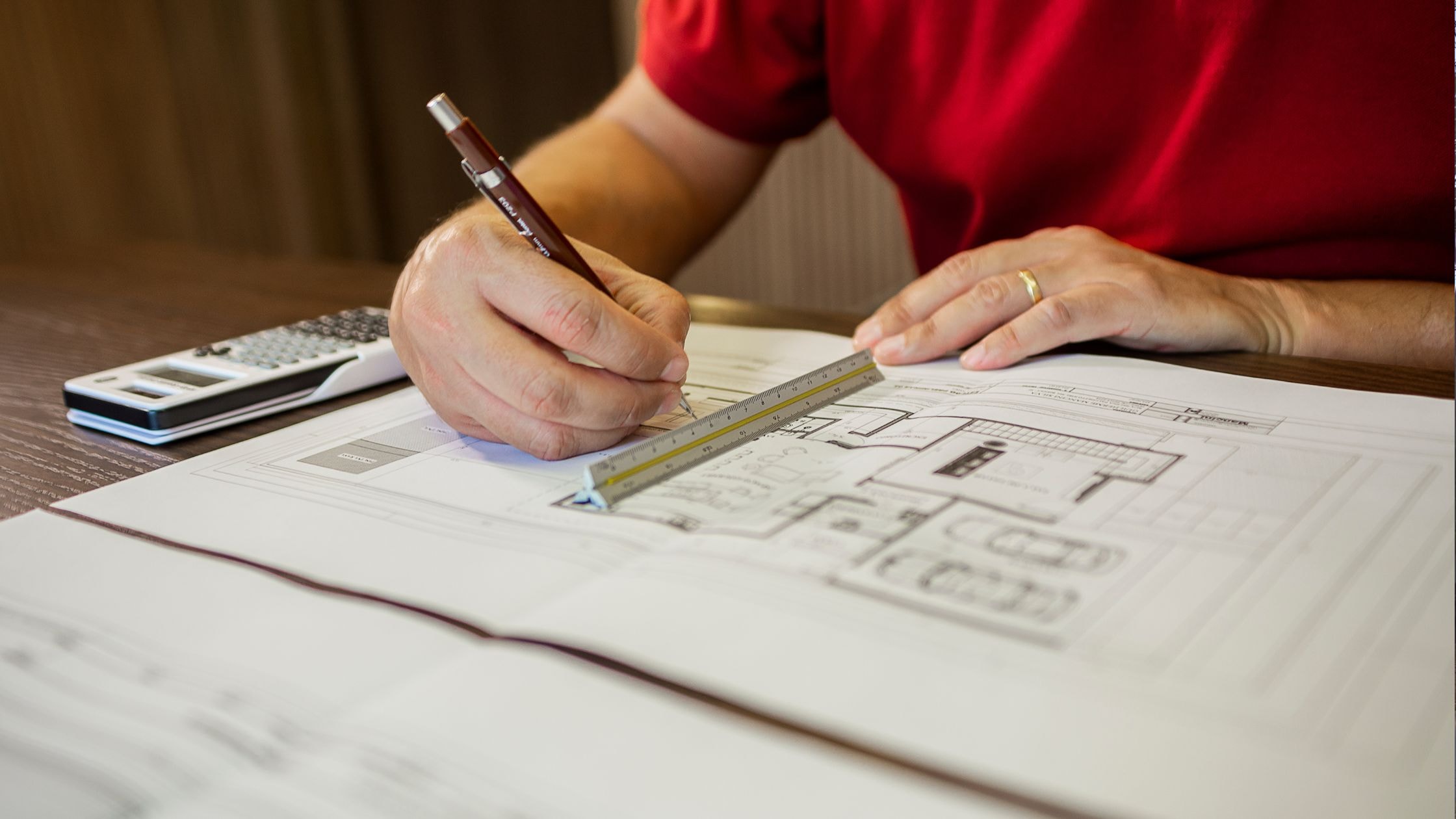
Measure the space carefully and sketch a layout plan. Decide on pattern orientation and starting position. Most installers begin at the center of the room and work outward, ensuring balanced borders on all sides.
Dry-fit several rows without removing the backing paper. This practice run reveals potential issues and confirms the planned layout works for the specific space. Adjust as needed before committing to the permanent installation. This easy planning step prevents costly mistakes during actual installation.
Installation Process
Start with a clean, reference line to maintain straight rows. Peel back only a few inches of protective paper at first. This technique allows repositioning if necessary. Press firmly from the center outward, eliminating air bubbles as you work. The peel and stick method remains straightforward when following proper techniques.
Use a roller to ensure complete adhesive contact. This step creates a strong bond that prevents future lifting. Cut tiles to fit around obstacles using a sharp utility knife and straightedge for clean, professional edges. Access to basic tools makes the installation process manageable for most homeowners.
When working on concrete subfloors, take extra care to ensure the surface remains dust-free. Concrete dust interferes with adhesive performance. Wipe down the concrete with a damp cloth immediately before you peel and apply each tile. This extra step guarantees the stick bond reaches maximum strength.
For those considering different installation methods or materials, The Ultimate Guide to Flooring Installation for Homeowners provides comprehensive information on various flooring types and installation techniques. Similarly, homeowners interested in traditional vinyl plank options can reference How to Install Vinyl Plank Flooring for detailed guidance on alternative vinyl products.
Waterproof Options for Wet Areas
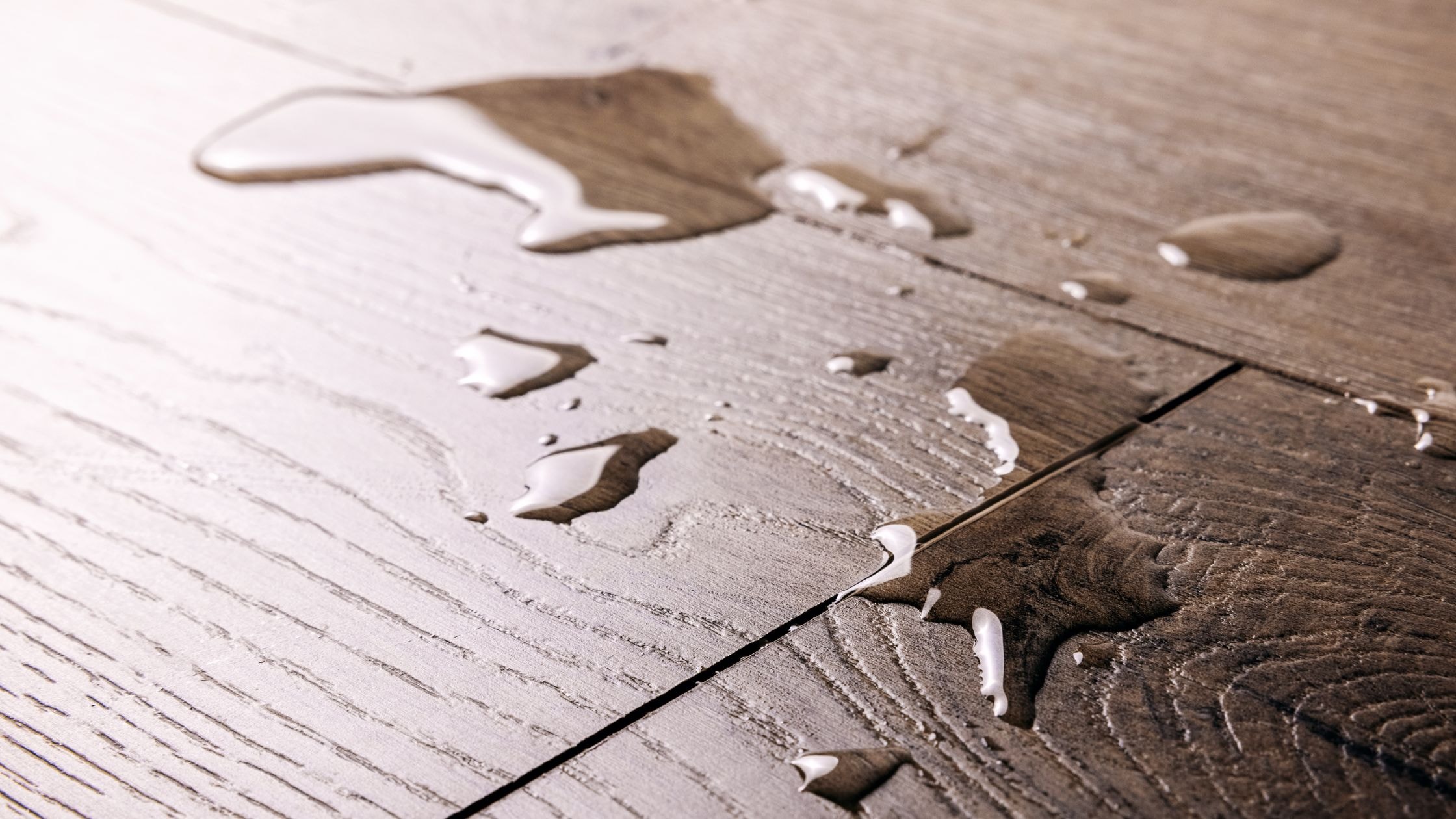
Not all peel and stick floors offer the same level of moisture protection. Standard water resistant products handle occasional spills but may fail in consistently wet environments. True waterproof options feature enhanced construction that prevents water penetration through seams and edges.
Bathrooms, laundry rooms, and mudrooms benefit most from waterproof varieties. These spaces face regular moisture exposure that demands superior protection. The waterproof barrier protects the subfloor from damage that could lead to mold or structural issues. When shopping for floors, verify the waterproof rating before purchasing for wet areas.
Quick tip: Test waterproof claims by checking manufacturer specifications—look for products rated for direct water exposure rather than just moisture resistance.
Maintenance and Longevity
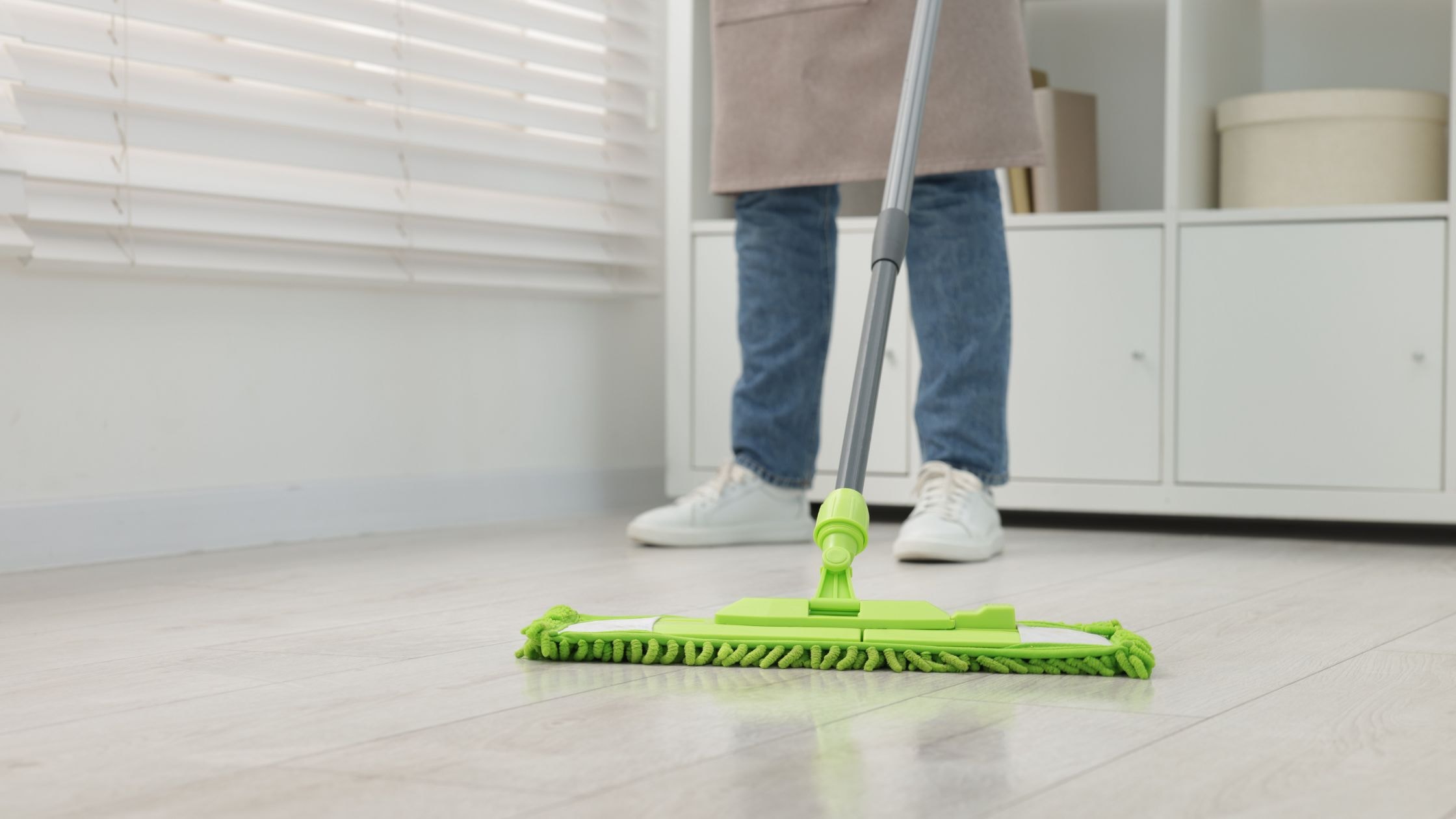
Regular care extends the life of these floors. Sweep or vacuum daily to remove dirt and grit that can scratch the surface. Damp mop with mild cleaners designed for vinyl products. Avoid harsh chemicals or abrasive scrubbing tools that damage the wear layer.
Place protective pads under furniture legs to prevent indentations. Use rugs in high traffic areas to reduce wear patterns. These simple precautions help floors maintain their fresh appearance for the maximum possible time. Easy maintenance routines keep floors looking new with minimal effort.
According to the Family Handyman, proper installation and maintenance can help peel and stick floors last five to ten years, depending on the quality of the product and the demands placed on the surface.
Special Considerations for Concrete Subfloors
Concrete presents unique challenges for peel and stick installation. The porous nature of concrete absorbs moisture from the air, which can weaken adhesive bonds. Seal concrete floors with appropriate primer before installation begins. This barrier prevents moisture transfer and creates an ideal surface for the stick adhesive to grab.
Temperature fluctuations affect concrete more than other subfloor materials. Cold concrete in basements may require additional preparation to ensure proper adhesion. Allow the space to reach room temperature before beginning installation. Store the peel and stick tiles in the room for 48 hours prior to installation, allowing them to acclimate to the concrete temperature.
The hard, unforgiving nature of concrete makes cushioned peel and stick options appealing. These products include foam backing that provides comfort underfoot while maintaining easy installation. The extra padding also helps mask minor imperfections in the concrete surface.
Expanding Design Access
The variety of available designs gives homeowners access to styles once reserved for high-end installations. Blue subway tile patterns bring modern farmhouse charm to kitchens at a fraction of traditional tile costs. Peel and stick options make designer looks accessible to everyone, regardless of budget constraints.
Rental properties gain particular benefit from the easy access these floors provide to updated aesthetics. Landlords update units between tenants without major renovations. Renters personalize spaces with permission, knowing the floors peel up when moving day arrives. This flexibility benefits both property owners and occupants.
Making the Right Choice
Peel and stick vinyl flooring serves specific needs well. Budget-conscious homeowners, renters needing temporary solutions, and DIY enthusiasts seeking quick updates all find value in these products. The combination of ease, affordability, and style makes them practical options for many situations.
However, homeowners planning permanent installations in high-value spaces may prefer traditional flooring with greater durability and longevity. Consider the specific needs of each room, the expected lifespan of the floor, and the overall goals for the space before making a final decision.
Homeowners comparing peel-and-stick vinyl with more permanent surfaces may also want to review Tile Flooring Installation: What Every Homeowner Should Know. Tile requires more preparation and installation skill, but it can be a strong choice for bathrooms, kitchens, laundry rooms, and other moisture-prone spaces.
For busy households, Choosing the Right Flooring for Pets and Families can also help narrow the decision. That guide explains how different flooring materials handle scratches, spills, stains, moisture, and daily wear from kids, pets, and heavy foot traffic.
The access these floors provide to beautiful designs at affordable prices continues to drive their popularity. With proper installation technique and reasonable expectations, peel and stick options deliver satisfying results that transform spaces with minimal effort and investment. Whether choosing classic white, trendy blue, or natural concrete looks, homeowners discover that the easy peel and stick method opens doors to stylish, waterproof, and practical flooring solutions.