
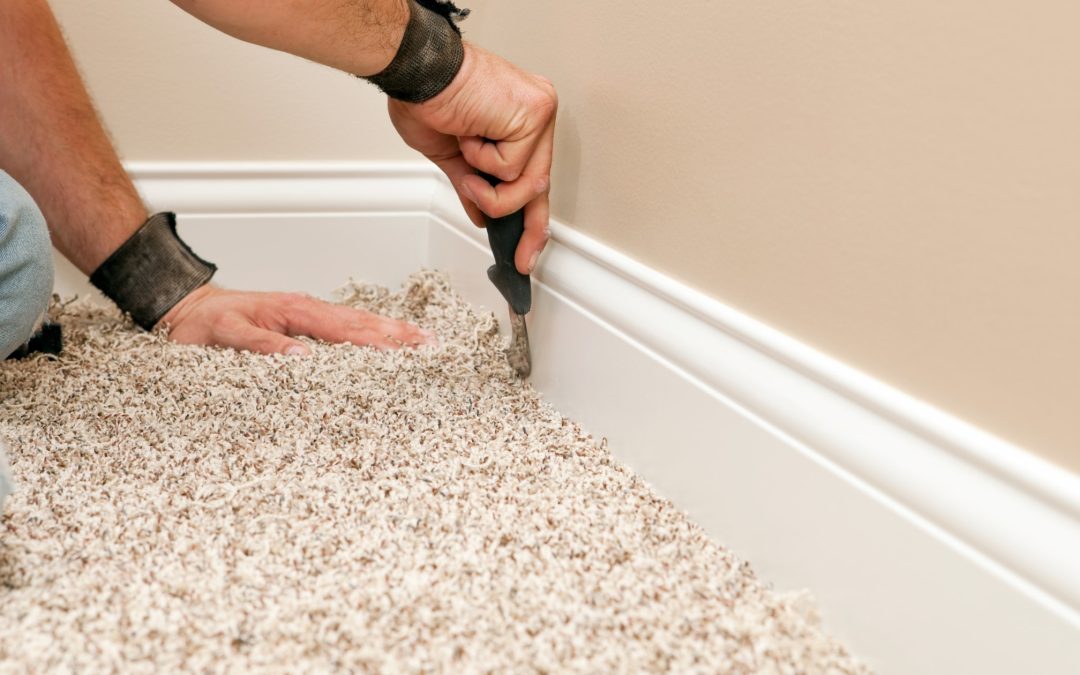
New carpet can completely change how a room looks and feels, adding warmth, comfort, and a fresh appearance to your home. However, a successful carpet installation involves more than choosing a color and scheduling an appointment. Understanding the materials, preparation, and installation process can help you make better flooring decisions.
Whether you’re replacing worn carpeting or updating several rooms, knowing what to expect makes the project easier to manage. This guide covers everything from recognizing when your carpet needs replacing to selecting padding, measuring your space, and preparing for installation day.
You’ll also find helpful resources covering each step in greater detail, along with information about professional carpet installation services throughout Southern Oregon.
How to Know When It’s Time to Replace Your Carpet
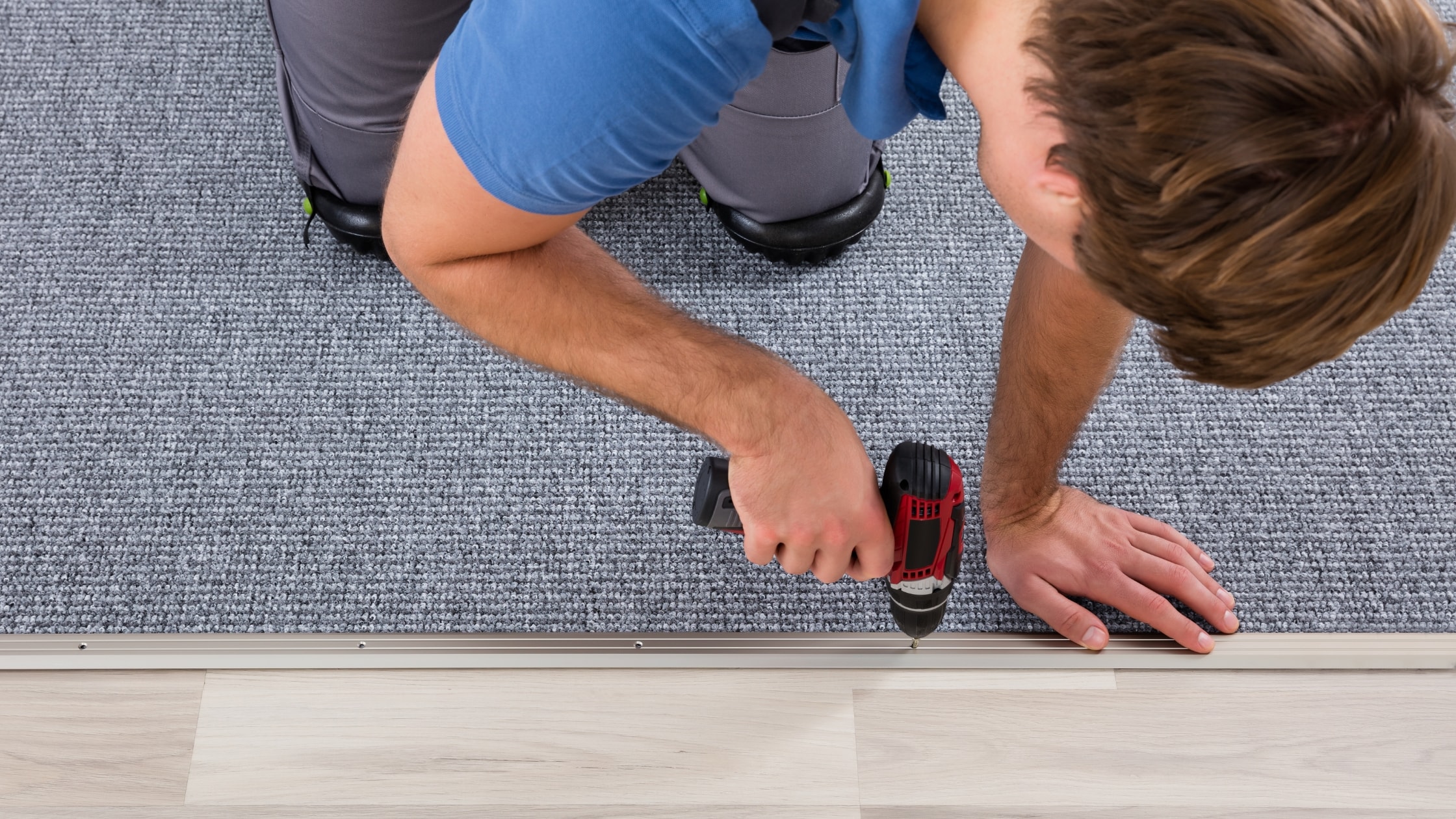
Does your carpet look worn or feel lumpy underfoot?
Carpet experiences daily wear from furniture, foot traffic, pets, and regular household activities. Over time, even well-maintained carpeting can lose its original texture, cushioning, and appearance. Recognizing the signs of deterioration can help you decide whether cleaning or replacement is the better option.
Common signs include flattened fibers, fraying edges, visible thinning, and stains that remain after professional cleaning. Persistent odors or uneven areas beneath your feet may also indicate problems with the carpet backing or padding. When these issues become widespread, replacing the carpet may be more practical than attempting additional repairs.
Older carpeting can also accumulate dirt, dust, and allergens within its fibers, particularly when regular cleaning can no longer remove embedded debris. Installing new carpeting and padding provides an opportunity to address underlying flooring concerns and refresh your home’s interior.
New carpet offers more than an updated appearance. Today’s flooring options include stain-resistant fibers, durable constructions, and textures suited to different household needs. Choosing the right material can improve everyday comfort while making maintenance more manageable.
Quick tip: Carpet typically lasts between 5 and 15 years, depending on material quality, maintenance, and foot traffic.
Not sure whether your flooring needs replacing? Explore our guide to carpet replacement to learn which warning signs deserve attention.Carpet Padding 101: Choosing the Right Base for Your Carpet
Carpet Padding 101: Choosing the Right Base for Your Carpet
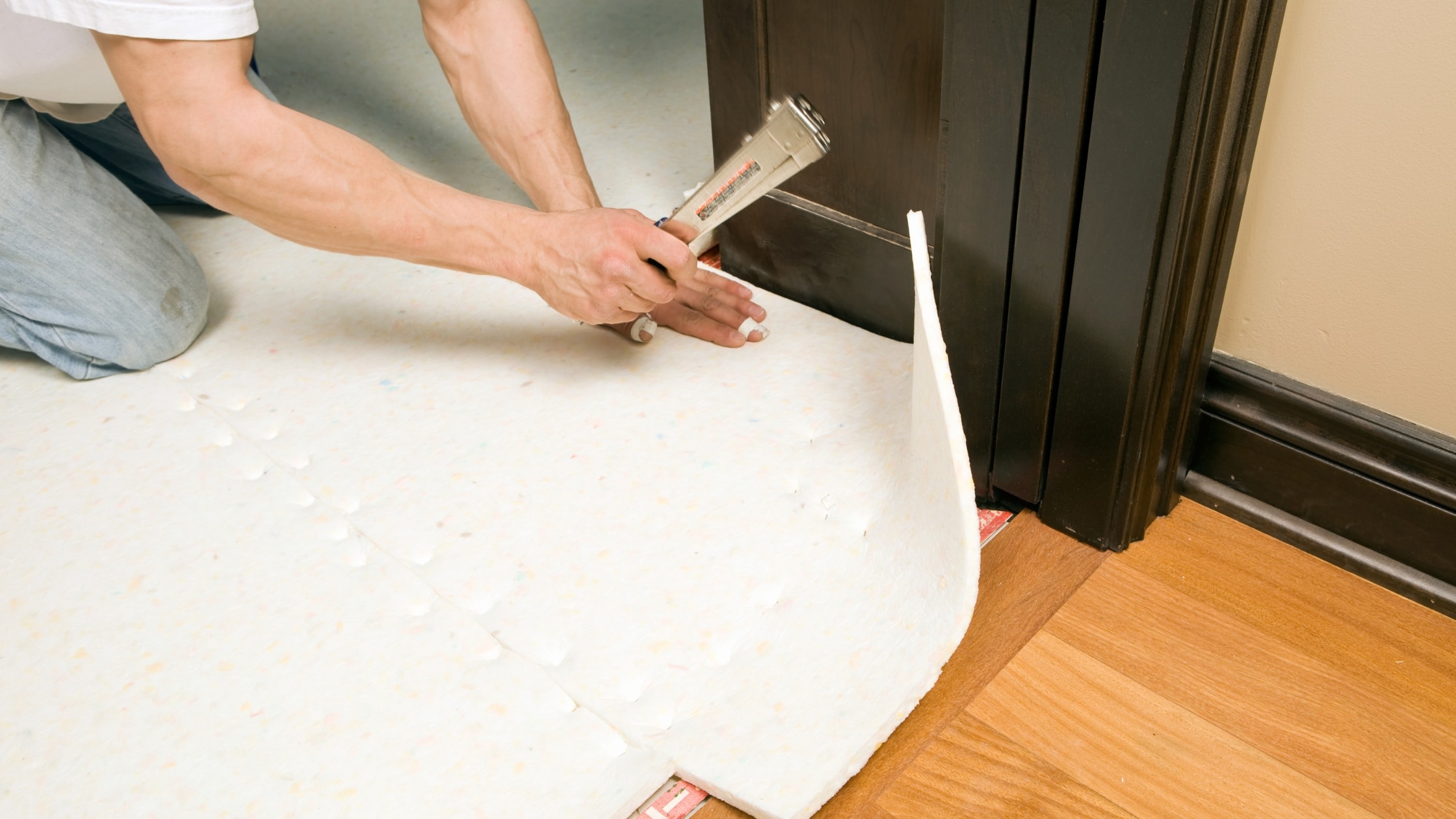
Did you know the right carpet padding can increase your carpet’s lifespan?
Carpet padding sits between the carpet and subfloor, providing support and absorbing the impact of everyday movement. Although it’s hidden after installation, the padding you choose affects how your carpet feels, performs, and wears over time.
Quality padding helps protect carpet backing from repeated pressure while improving comfort underfoot. It can also reduce noise between rooms and provide an additional layer of thermal insulation. Matching the padding to your carpet type and the room’s intended use is important for long-term performance.
Several carpet padding materials are available, each with different advantages. Memory foam options provide a softer walking surface, while rubber padding offers resilient support in frequently used rooms. Fiber padding, including varieties made with recycled materials, provides another alternative for homeowners seeking different construction options.
Some padding products also offer moisture-resistant features that may be useful in areas with occasional humidity concerns. However, existing moisture problems should always be corrected before carpet installation to protect the new flooring.
Quick tip: Higher-density padding often provides better resistance to compression, but the correct thickness and density depend on the carpet manufacturer’s requirements.
Learn more about padding materials and performance in our complete carpet padding guide.Measuring Your Space for Carpet Installation: Tips for Precision
Measuring Your Space for Carpet Installation: Tips for Precision
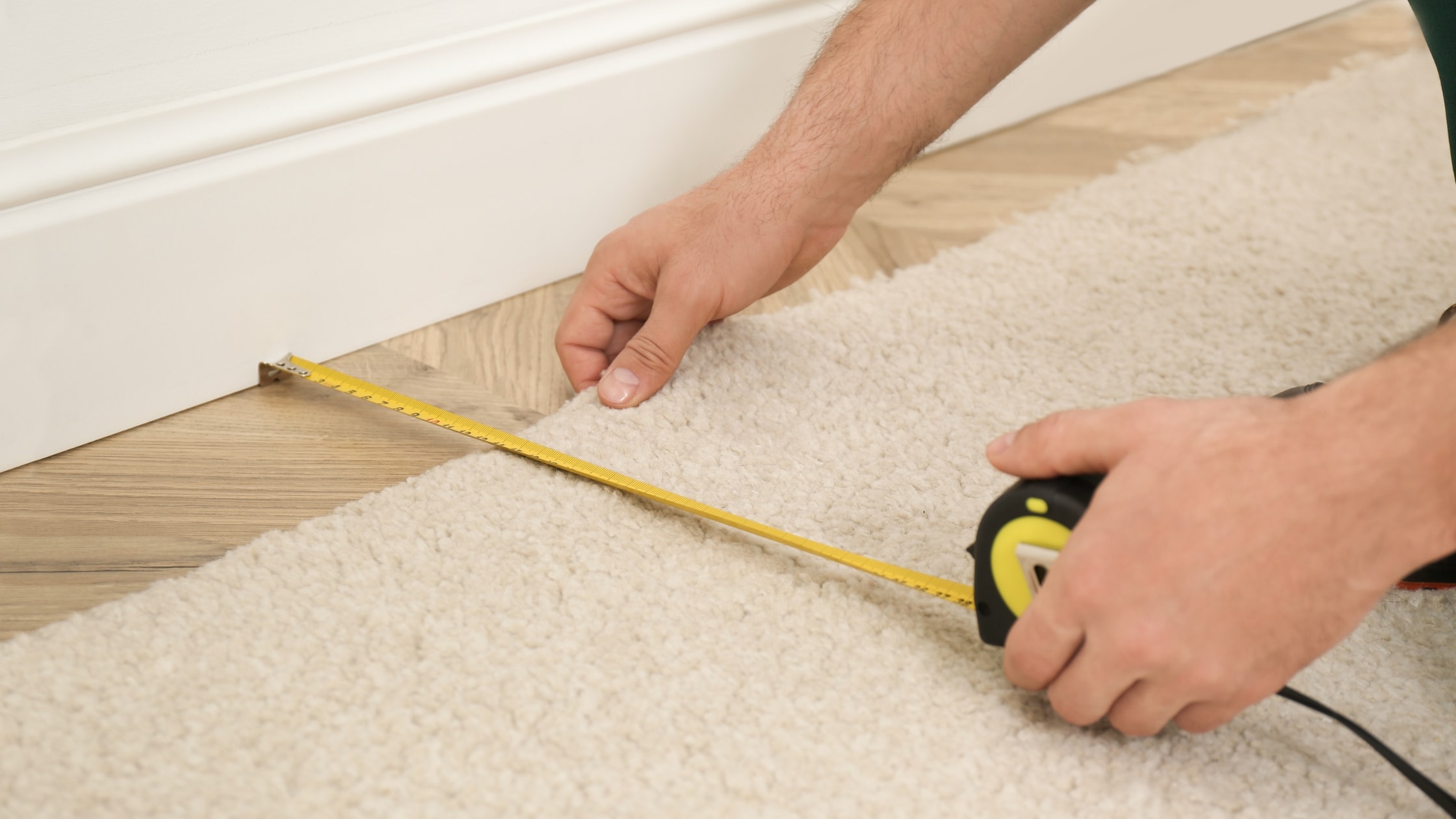
Proper measurements can save you time, money, and headaches.
Accurate room measurements are an important first step when planning a carpet installation. Knowing the dimensions of your space helps determine how much material is required and reduces the chance of ordering too little or purchasing unnecessary carpet.
Begin by measuring the length and width of each room, including closets, alcoves, and other areas receiving new flooring. Multiply the dimensions to calculate the square footage, then account for irregular shapes or additional sections that may require separate measurements.
Carpet measurements also need to consider roll width, pile direction, and the placement of seams. For example, a room’s total square footage may not reflect the exact amount of carpet required when sections must be cut from a standard-width roll. Staircases and unusual room layouts can create additional material requirements.
Careful planning helps installers position seams appropriately and minimize unnecessary waste. A professional measurement is particularly useful for larger projects or rooms with multiple angles and adjoining spaces.
Quick tip: A 10% material allowance can be a useful starting estimate, but the final amount should be calculated based on the carpet’s roll dimensions and installation layout.
For additional measuring tips, visit our step-by-step guide on how to measure for carpet.
The Role of Subfloor Preparation in Carpet Installation Success
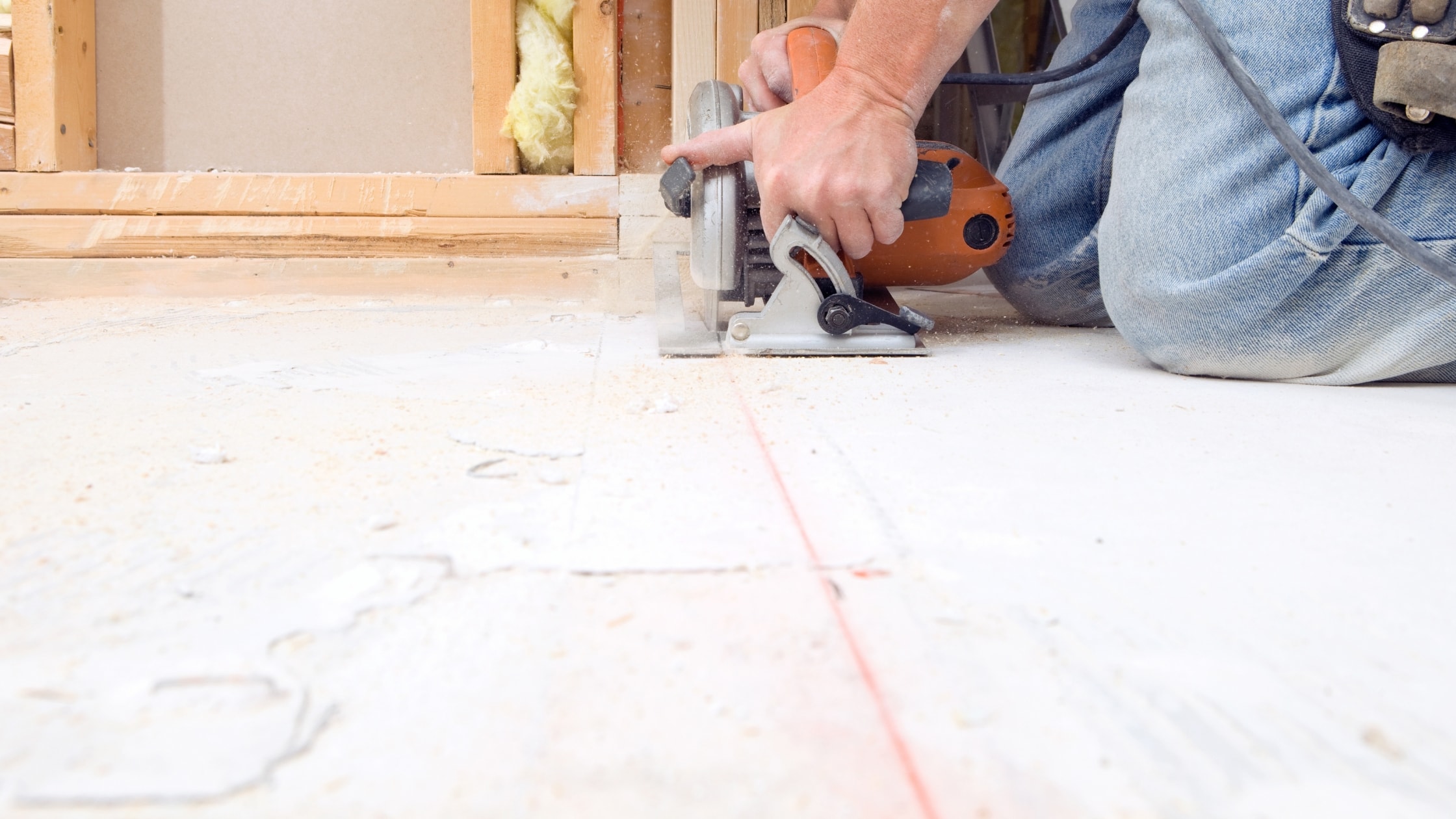
A smooth subfloor makes all the difference when you install carpet.
Before new carpeting goes down, the surface underneath needs to be inspected and prepared. A stable subfloor helps the carpet and padding lie evenly while reducing the likelihood of bumps, movement, or premature wear.
Subfloor preparation typically begins with removing existing materials and cleaning away accumulated dust and debris. Installers then check for loose sections, damaged areas, moisture concerns, or uneven surfaces that could interfere with the finished flooring.
Depending on the subfloor’s condition, preparation may involve securing loose boards, correcting uneven areas, or repairing damaged sections. These steps create a more reliable foundation for the padding and carpet while helping the installation maintain its appearance over time.
Skipping necessary repairs can leave imperfections underneath the carpet that become increasingly noticeable with regular use. Addressing these concerns before installation protects your flooring investment and can help prevent avoidable maintenance problems later.
Find additional information about surface preparation in our carpet subfloor guide.
Carpet Stretching: What it is and Why it Matters
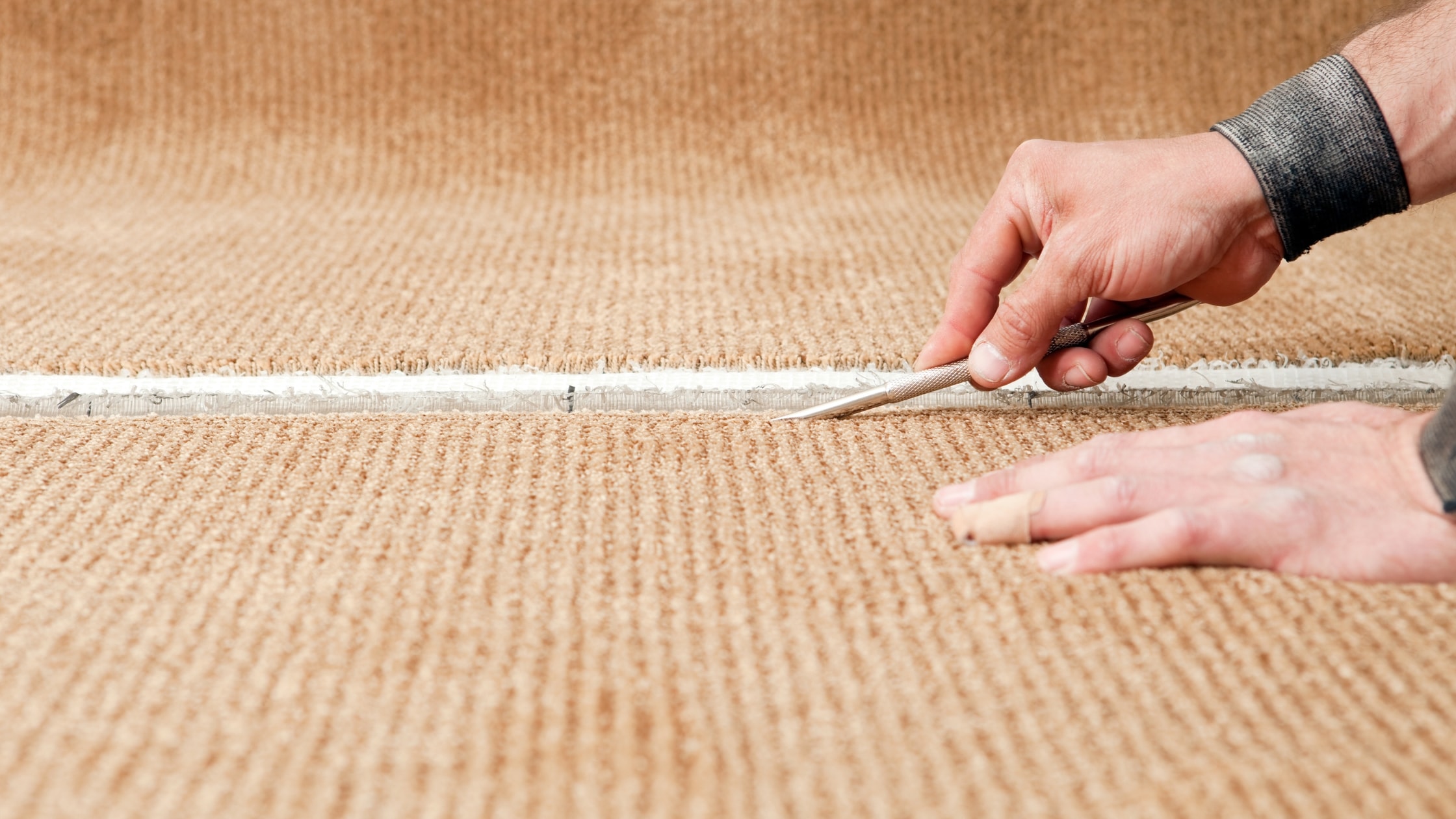
Say goodbye to ripples and wrinkles.
Carpet stretching helps keep wall-to-wall carpeting smooth, secure, and properly positioned. During installation, specialized equipment pulls the carpet taut so it can be fastened along the room’s perimeter without noticeable slack.
When carpet isn’t stretched correctly, ripples and wrinkles can develop across the surface. Similar problems may appear in existing carpeting due to movement, installation issues, or changes in the flooring over time.
Loose carpeting isn’t simply an appearance issue. Raised sections can create tripping hazards, especially in hallways and other frequently traveled areas. Excess movement may also contribute to uneven wear or damage to the carpet backing.
Professional stretching uses tools designed to apply controlled tension and secure the carpet in position. Depending on the condition of the flooring, restretching may also help correct certain wrinkles without requiring a complete replacement.
Proper carpet stretching supports a more consistent appearance and helps the flooring withstand everyday use. It’s an important part of achieving a finished installation that looks neat and performs as intended.
Learn more about the equipment and techniques involved in our carpet stretching guide.
DIY Carpet Installation vs. Hiring a Pro: What You Need to Know
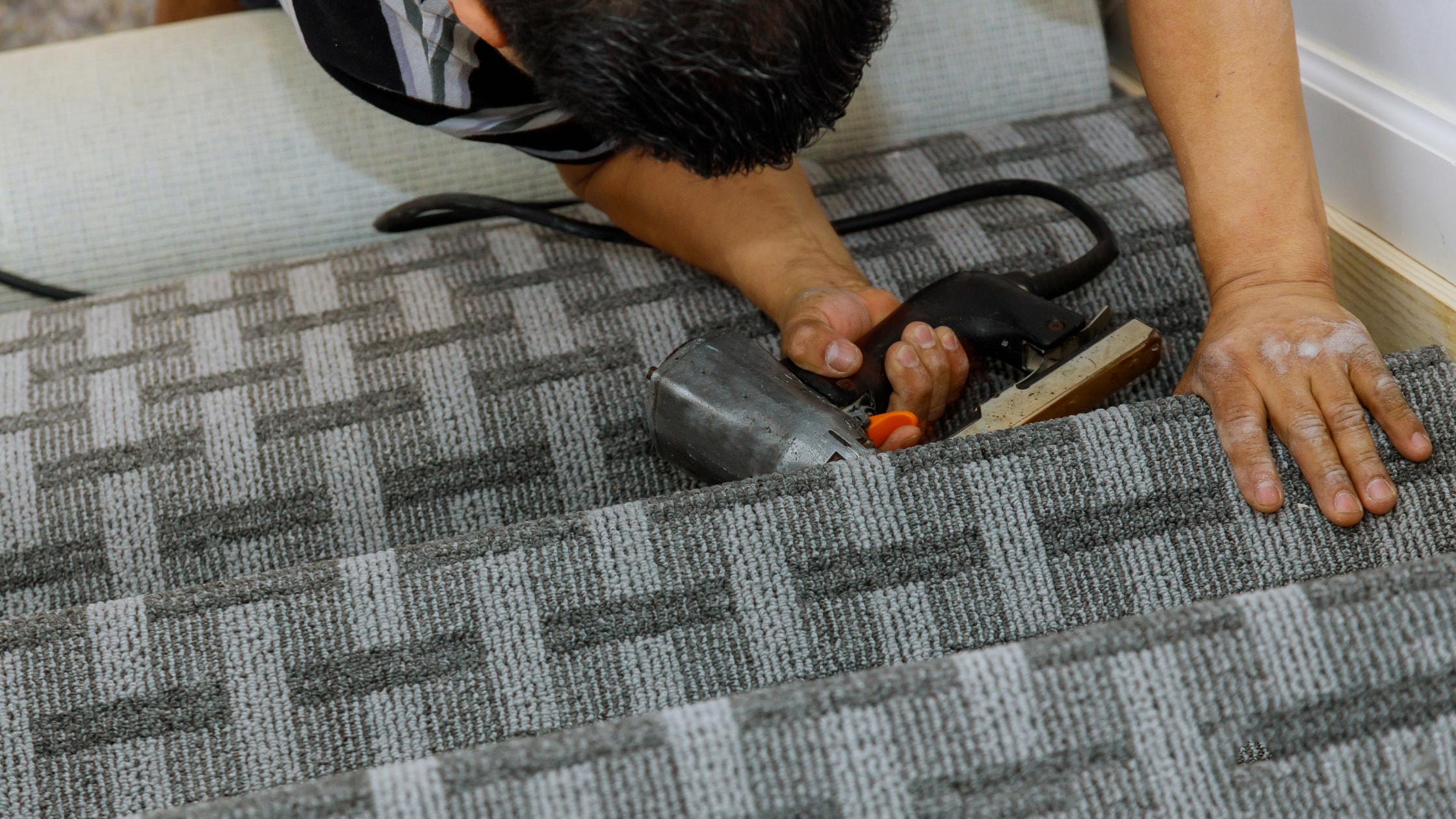
Should you roll up your sleeves or leave it to expert carpet installers?
Installing carpet yourself may appeal to homeowners who enjoy hands-on renovation projects. Taking the DIY route can reduce labor expenses, but it also requires careful measurements, proper preparation, and access to specialized installation equipment.
Tools such as carpet stretchers, knee kickers, seam irons, and carpet knives are often needed to achieve a secure fit. Working around stairs, doorways, corners, and irregular room shapes adds another layer of difficulty. Mistakes during cutting or stretching can lead to wasted materials or flooring that needs to be corrected.
Professional carpet installers bring experience with different carpet constructions, room layouts, and installation methods. They can evaluate the subfloor, plan seam locations, install padding, and stretch the carpet using equipment appropriate for the job.
Hiring an installer can also make larger projects easier to coordinate, particularly when existing flooring must be removed or multiple rooms are involved. A professional installation can help reduce common problems such as loose edges, visible wrinkles, and poorly positioned seams.
Your decision should consider the size of the project, your available time, your experience with flooring work, and the tools required. While smaller projects may be manageable for experienced DIY homeowners, complicated installations often benefit from professional attention.
Explore the advantages and challenges of each approach in our DIY carpet installation guide.
The Hidden Costs of Carpet Installation: What to Watch For

Avoid surprises in carpet price with the right preparation.
When budgeting for new carpet, the flooring material is only one part of the overall project. Labor, padding, removal services, and preparation work can all affect the final installation expense.
If your home already has carpeting, the existing flooring and padding may need to be removed before installation begins. Disposal services can involve additional charges, particularly for large rooms or projects with substantial amounts of old material.
The condition of your subfloor can also influence project costs. Damaged sections, uneven surfaces, or moisture-related problems may require attention before the new carpet can be installed safely and correctly.
Additional considerations may include moving heavy furniture, installing transition strips, or working around stairs and unusual room configurations. Understanding which services are included in your estimate helps you compare installation proposals more accurately.
A detailed quote should identify the carpet material, padding, installation labor, and any preparation or removal services required. Discussing these details early allows you to plan for the complete project rather than focusing only on the carpet’s purchase price.
Quick tip: Request an itemized installation estimate and ask which services could result in additional charges before approving the work.
For a closer look at what influences your budget, read our carpet installation cost guide.
What Happens on Installation Day: A Homeowner’s Guide
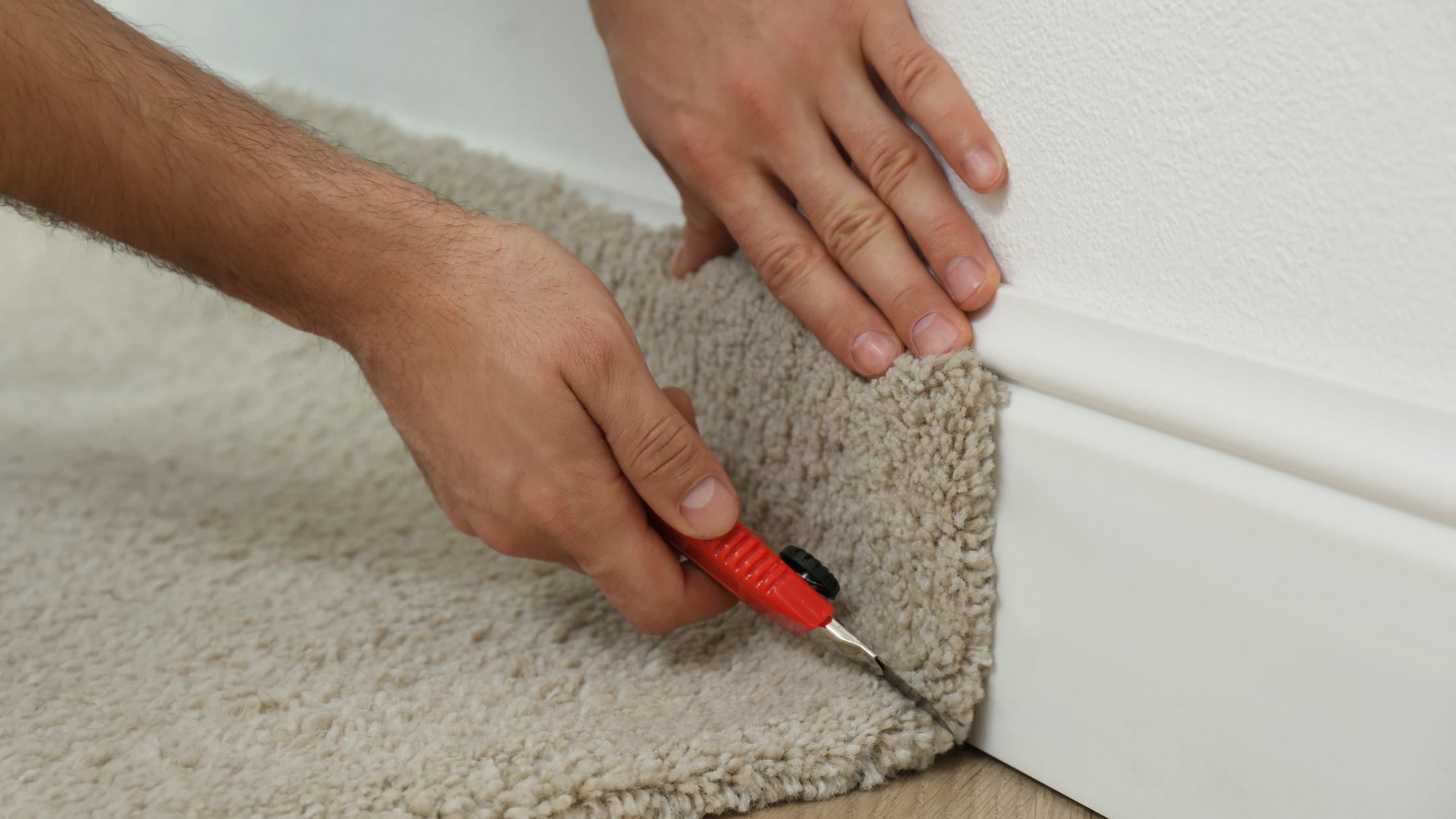
Be ready for a stress-free carpet install.
Knowing how to prepare your home before the installers arrive can make the installation process more efficient. A clear workspace allows the crew to move materials, remove existing flooring, and complete the project without unnecessary interruptions.
Start by removing small furniture, decorations, electronics, and other personal belongings from the rooms receiving new carpet. Ask your installation company whether larger furniture needs to be moved beforehand or whether furniture moving is included in the scheduled service.
During installation, the crew may remove the old carpet and padding, inspect the exposed subfloor, and complete any previously identified preparation work. New padding is then positioned and secured before the carpet is fitted, seamed where necessary, stretched, and fastened along the edges.
Once the carpet is installed, the crew typically trims excess material, checks transitions, and cleans up installation debris. Before the installers leave, take time to inspect the finished flooring and ask about recommended care, furniture placement, and any maintenance instructions.
Preparing ahead of time also means arranging a safe area for children and pets while installation work is underway. Keeping pathways accessible and confirming the installation schedule can help everything proceed more smoothly.
Read our carpet installation process guide for a more detailed explanation of what happens from preparation through final inspection.
Carpet Install in Your Town
Homes throughout Jackson County have different flooring needs depending on their age, layout, and how individual rooms are used. Oregon Floor Works provides carpet installation services across Southern Oregon, helping homeowners choose flooring that complements their space and everyday routines.
Whether you’re updating a bedroom, replacing carpet throughout your house, or choosing a more durable material for busy living areas, working with a local flooring contractor provides access to recommendations suited to your project.
Why Local Expertise Matters
Choosing carpet involves more than finding an appealing texture or color. Your home’s layout, the amount of foot traffic, and the condition of the existing flooring all influence which products and installation methods make sense.
Oregon Floor Works works with homeowners throughout the region, including communities with a range of housing styles and flooring priorities.
- Medford: Carpet options for busy households often focus on durability, stain resistance, and straightforward maintenance.
- Ashland: Homes ranging from older properties to contemporary residences may benefit from carpet selections that complement their distinctive interiors.
- Jacksonville: Traditional carpet styles and comfortable textures can work well in homes with historic architectural details.
Our local installation guides provide additional information for homeowners considering carpet replacement in specific Southern Oregon communities.
Carpet Install Services for Medford, OR Homes
Medford homeowners often look for carpeting that balances comfort with the demands of everyday family life. From soft bedroom flooring to durable options for living rooms and hallways, Oregon Floor Works helps homeowners select materials appropriate for each space.
Explore our carpet installation guide for Medford, OR to learn more about planning your flooring project.
Expert Carpet Install in Ashland, OR
Ashland offers a mix of historic properties, established neighborhoods, and contemporary homes, each with different flooring considerations. Choosing the appropriate carpet construction and padding can help improve comfort while complementing the home’s existing design.
Learn more about available options in our Ashland, OR carpet installation guide.
Carpet Install Solutions for Central Point, OR
Whether you’re replacing older carpet or updating a recently purchased home, Central Point flooring projects benefit from careful material selection and professional measurements. Oregon Floor Works provides carpet installation services for homeowners seeking comfortable, practical flooring solutions.
Visit our Central Point carpet installation guide for more information about the process.
Carpet Install Services Tailored for Eagle Point, OR Homes
Eagle Point includes residential neighborhoods and rural properties where flooring needs can vary from room to room. Carpet materials designed for regular foot traffic can provide a practical solution while maintaining a comfortable indoor environment.
Discover more in our Eagle Point, OR carpet installation guide.
Carpet Install Options for Talent, OR Residents
Homeowners in Talent can choose from carpet materials that support different priorities, including softness, durability, and ease of cleaning. Selecting appropriate padding and professional installation methods also helps the flooring perform well with regular household use.
Review our carpet installation guide for Talent, OR to explore additional considerations.
Professional Carpet Install for Phoenix, OR Homes
New carpet can help refresh bedrooms, family rooms, and other living spaces in Phoenix homes. Oregon Floor Works provides installation services that account for room dimensions, existing flooring conditions, and the homeowner’s preferred carpet style.
Find helpful planning information in our Phoenix, OR carpet installation guide.
Expert Carpet Install for Jacksonville, OR Residents
Jacksonville is known for its historic architecture and established residential properties. Carpet installation in these homes may require additional attention to existing subfloors, room layouts, and flooring transitions while preserving the character of the interior.
Learn more about choosing and installing carpet in our Jacksonville, OR carpet installation guide.
Frequently Asked Questions (FAQ)
Are professional carpet installers available?
Yes. Professional flooring contractors offer carpet installation services for projects ranging from individual rooms to whole-home replacements. Oregon Floor Works provides carpet installation for homeowners in Medford and surrounding Jackson County communities.
How much does installation cost?
Carpet installation costs depend on the room’s square footage, carpet material, padding selection, and complexity of the work. Additional preparation or removal services can also affect the estimate, so contacting a flooring contractor is the best way to understand your project’s requirements.
Can carpets be purchased from local stores?
Yes. Local flooring retailers offer carpet options in different fibers, colors, textures, and construction styles. Visiting a flooring professional can help you compare samples and select a material suited to your home’s needs and budget.
How is carpet priced?
Carpet is commonly priced by the square foot or square yard, depending on the retailer. Material type, fiber quality, construction, and additional flooring features can influence the price, while installation and padding may be calculated separately.
How should one prepare for carpet installation?
Remove smaller furniture, personal belongings, and fragile items from the areas where installers will be working. Confirm arrangements for larger furniture in advance and make sure the crew has a clear path for transporting carpet and equipment into your home.
How long does the carpet installation process take?
Installation time varies based on the size of the project, room layout, and whether existing flooring needs to be removed. Additional subfloor repairs, stairs, or complex seam placement can extend the timeline, so your installer should provide an estimate before work begins.
Does carpet installation include removing old carpet?
Many flooring contractors offer removal and disposal of existing carpet as part of their installation services, but the service isn’t always included automatically. Ask whether carpet removal, padding disposal, and cleanup are covered in your estimate.
When can the newly installed carpet be walked on?
Most newly installed stretch-in carpeting can be walked on immediately after installation. However, follow your installer’s recommendations for replacing heavy furniture, protecting the flooring, and caring for the carpet during its initial use.
Transform Your Space with Expert Installation

Replacing your carpet is an opportunity to improve the comfort, appearance, and everyday functionality of your home. With the right materials, careful preparation, and proper installation, new carpeting can provide a welcoming surface that supports your household’s needs for years to come.
At Oregon Floor Works, we help Southern Oregon homeowners navigate the carpet installation process, from selecting suitable flooring materials to completing the finished installation. Our team focuses on dependable workmanship and attention to detail so you can feel confident about your flooring investment.
Whether you’re planning a single-room update or a larger flooring renovation, we’re here to help you get started. Contact Oregon Floor Works to discuss your carpet installation project and explore options for your home.