
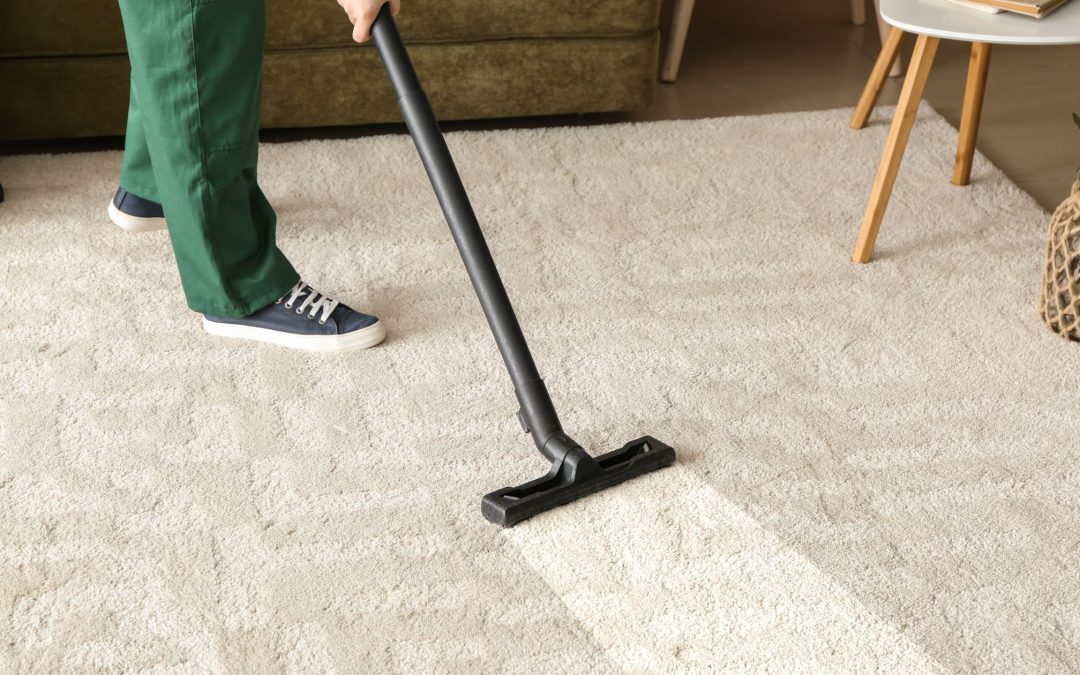
Keeping your carpet clean and comfortable doesn’t have to involve complicated cleaning routines. Regular maintenance helps protect carpet fibers from everyday dirt, spills, and foot traffic while preserving the appearance of your flooring. For homeowners in Medford, OR, establishing a consistent carpet care schedule can make a noticeable difference in how long carpeting lasts.
Without proper care, even high-quality carpet can develop flattened fibers, stubborn stains, and visible traffic patterns. Dirt and abrasive particles gradually accumulate beneath the surface, contributing to premature wear when they aren’t removed regularly. Fortunately, a combination of preventative measures and appropriate cleaning methods can help protect your flooring investment.
This guide provides practical carpet maintenance tips and an easy-to-follow cleaning schedule for your home. From vacuuming and stain removal to addressing wear and scheduling professional cleaning, you’ll learn how to keep your carpet in good condition throughout the year.
Here’s what you’ll learn:
-
Why consistent carpet maintenance is important for your home’s flooring.
-
How to create a daily, weekly, monthly, and seasonal carpet maintenance plan.
-
Effective methods for addressing common carpet stains.
-
Ways to prevent and manage wear in high-traffic areas.
-
The benefits of professional carpet maintenance programs.
Why Carpet Maintenance Matters
Carpeting experiences constant pressure from footsteps, furniture, and everyday household activity. Over time, dirt and small particles can settle between the fibers, creating friction that contributes to matting, discoloration, and premature deterioration. Spills, moisture, and prolonged sunlight exposure may cause additional damage when left unaddressed.
A consistent carpet maintenance routine helps reduce these problems before they become more noticeable. Regular vacuuming removes loose debris, while prompt spot cleaning helps prevent stains from penetrating deeper into the flooring. Protecting busy areas and following the manufacturer’s care recommendations can also help maintain the carpet’s structure.
Proper cleaning contributes to a more comfortable indoor environment by reducing accumulated dust, pet hair, and other debris. Carpets can trap particles between cleaning sessions, but those materials must be removed regularly to prevent continued buildup.
Did You Know? Carpet longevity depends on several factors, including fiber type, construction, installation quality, and maintenance. A durable carpet that receives appropriate care may remain attractive and functional considerably longer than similar flooring exposed to excessive dirt and neglected cleaning.
Carpet Maintenance Tips for Everyday Care

Everyday carpet maintenance focuses on preventing small issues from becoming larger problems. Simple habits such as regular vacuuming, immediate spill cleanup, and thoughtful furniture placement can help reduce damage without requiring extensive effort.
For homeowners with pets, children, or frequently used living spaces, maintaining these habits is particularly important. Adjusting your routine to match household activity can help keep your carpeting clean and comfortable between professional cleaning appointments.
Vacuuming Regularly
Vacuuming removes loose dirt, dust, and debris before they become embedded in carpet fibers. For most households, vacuuming approximately two to three times per week provides a useful starting point, although high-traffic areas and homes with pets may need more frequent attention.
Choose a vacuum appropriate for your carpet’s fiber construction and pile height. Some carpets benefit from rotating brushes that loosen embedded dirt, while certain delicate or high-pile styles require suction-only cleaning to avoid fiber damage.
Using slow, controlled movements allows the vacuum to collect debris more effectively. Pay additional attention to entryways, hallways, and frequently used areas where dirt tends to accumulate.
For more information about equipment selection and proper cleaning techniques, explore Lowe’s guide to vacuuming carpet correctly.
Quick Tip: Vacuum in different directions occasionally to help remove dirt from multiple angles. Always follow your carpet manufacturer’s recommendations regarding brush settings and equipment compatibility.
Spot Cleaning Immediately
Spills become more difficult to remove when liquids and residue remain on the carpet for extended periods. Acting quickly helps limit how deeply a substance penetrates the fibers and may reduce the likelihood of permanent discoloration.
Start by blotting the spill with a clean white cloth or absorbent paper towel. Work from the outside toward the center, using gentle pressure rather than rubbing the affected area. Scrubbing can spread the stain and damage the carpet’s texture.
Choose a cleaning product designed for your carpet material and the type of stain you’re treating. Always test unfamiliar solutions in a hidden area and avoid applying excessive water, which may reach the padding or subfloor.
Keeping a carpet-approved spot cleaner and clean absorbent towels readily available makes it easier to respond to accidents. For particularly stubborn stains, professional treatment may be more effective than repeated attempts with household cleaning products.
Rotating Furniture
Heavy furniture can compress carpet fibers and leave visible indentations, especially when sofas, tables, and cabinets remain in one location for years. Frequently traveled pathways may also develop uneven wear when people repeatedly walk through the same sections of a room.
Rearranging movable furniture every few months can help distribute foot traffic more evenly. Even small adjustments to seating arrangements may reduce concentrated pressure on certain areas of the carpet.
When moving furniture, lift heavy items rather than dragging them across the flooring. Dragging can pull carpet fibers, damage seams, or create unnecessary stress on the backing.
Quick Tip: Place furniture cups or weight-distributing protectors designed for carpeting beneath heavy furniture legs. These accessories can help reduce deep indentations and protect areas exposed to concentrated pressure.
Protect Against UV Rays
Direct sunlight can gradually change the appearance of certain carpet colors, particularly in rooms with large windows. Extended exposure may cause uneven fading when some sections receive substantially more sunlight than others.
Window treatments provide a practical way to limit this exposure. Close blinds or curtains during periods of intense sunlight, especially in rooms with large south- or west-facing windows.
UV-filtering window films and appropriately selected shades may provide additional protection without requiring homeowners to keep rooms dark throughout the day. Moving area rugs and furniture periodically can also help reduce noticeable differences between exposed and covered sections.
Protecting carpet from direct sunlight is especially worth considering in bright rooms where flooring receives several hours of exposure. Combining light management with regular cleaning can help maintain a more consistent carpet appearance.
Together, these everyday carpet care habits help reduce avoidable damage and make regular maintenance easier to manage. By preventing dirt buildup, addressing spills promptly, and protecting frequently used areas, homeowners can help preserve the appearance and comfort of their flooring.
A Step-by-Step Carpet Maintenance Plan
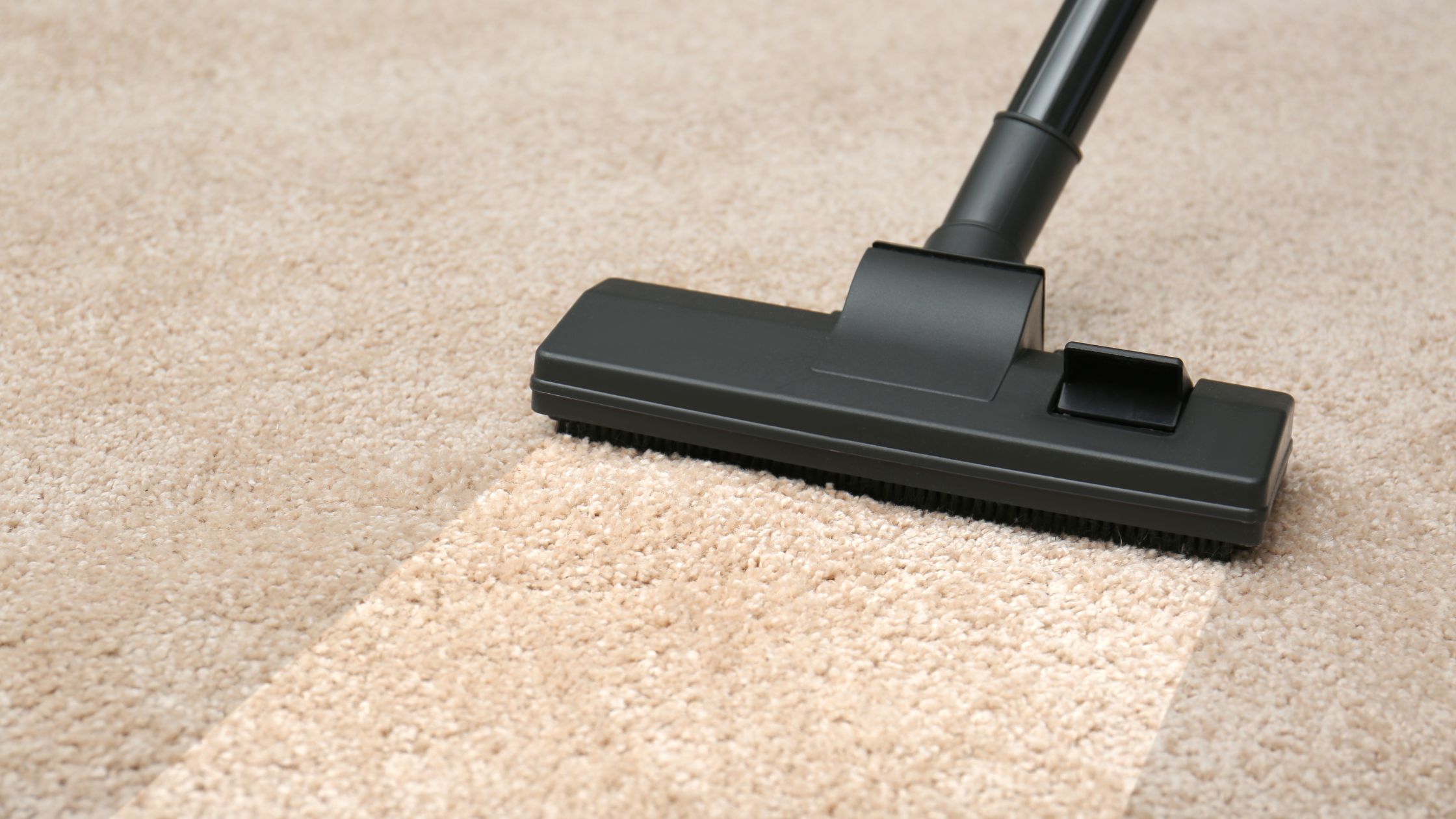
Creating a carpet maintenance plan helps you stay consistent without spending unnecessary time cleaning. Rather than waiting until carpeting looks dirty, dividing tasks into daily, weekly, monthly, and seasonal routines makes upkeep more manageable.
The following schedule provides a practical starting point for homeowners in Medford and surrounding Jackson County communities. Adjust the frequency based on the carpet’s construction, household activity, pets, and manufacturer recommendations.
Daily Attention
-
Check for Spills: Inspect busy living spaces and address food, drink, or pet accidents as soon as possible. Prompt cleanup can help prevent stains and odors from developing.
-
Focus on High-Traffic Areas: Remove visible crumbs, dirt, and debris from entryways, hallways, and family rooms. A quick vacuuming session may be helpful in areas that receive heavy daily use.
Weekly Routine
-
Vacuum Thoroughly: Clean carpeted rooms, paying particular attention to corners, baseboards, and areas beneath movable furniture. Use equipment appropriate for the carpet’s pile to remove embedded dirt without causing unnecessary wear.
-
Spot-Treat Minor Stains: Inspect frequently used areas for new discoloration and clean affected sections with compatible products. Removing stains before they become established can make maintenance easier.
Monthly Care
-
Inspect Carpet Fibers: Look for flattened areas, loose seams, developing wrinkles, or unusual wear patterns. For compatible carpet styles, gentle grooming with a manufacturer-approved carpet brush may help improve the pile’s appearance.
-
Address Odors: Identify the source of any persistent carpet odors instead of relying solely on fragrances or deodorizing powders. If the carpet and vacuum manufacturers permit baking soda treatments, use only a small amount and remove it thoroughly to avoid leaving fine residue behind.
Seasonal Refresh
-
Evaluate Deep Cleaning Needs: Inspect carpeting every few months to determine whether accumulated soil warrants professional cleaning. Homes with heavy traffic, frequent spills, or pets may require more frequent service than lightly used spaces.
-
Schedule Professional Cleaning: Many carpet manufacturers recommend professional cleaning approximately every 12 to 18 months, although some require different schedules. Cleaning every four to six months may be appropriate for particularly busy households, but it isn’t necessary for every home.
Did You Know? Regular deep cleaning can remove embedded soil and residue that household vacuuming may leave behind. However, using too much moisture or cleaning too frequently with unsuitable equipment can create additional problems, making proper methods and drying important.
This maintenance schedule provides a structured approach without requiring every task to be completed daily. Consistency and using appropriate cleaning techniques are more important than following an unnecessarily aggressive cleaning schedule.
Dealing with Stains and Wear-and-Tear
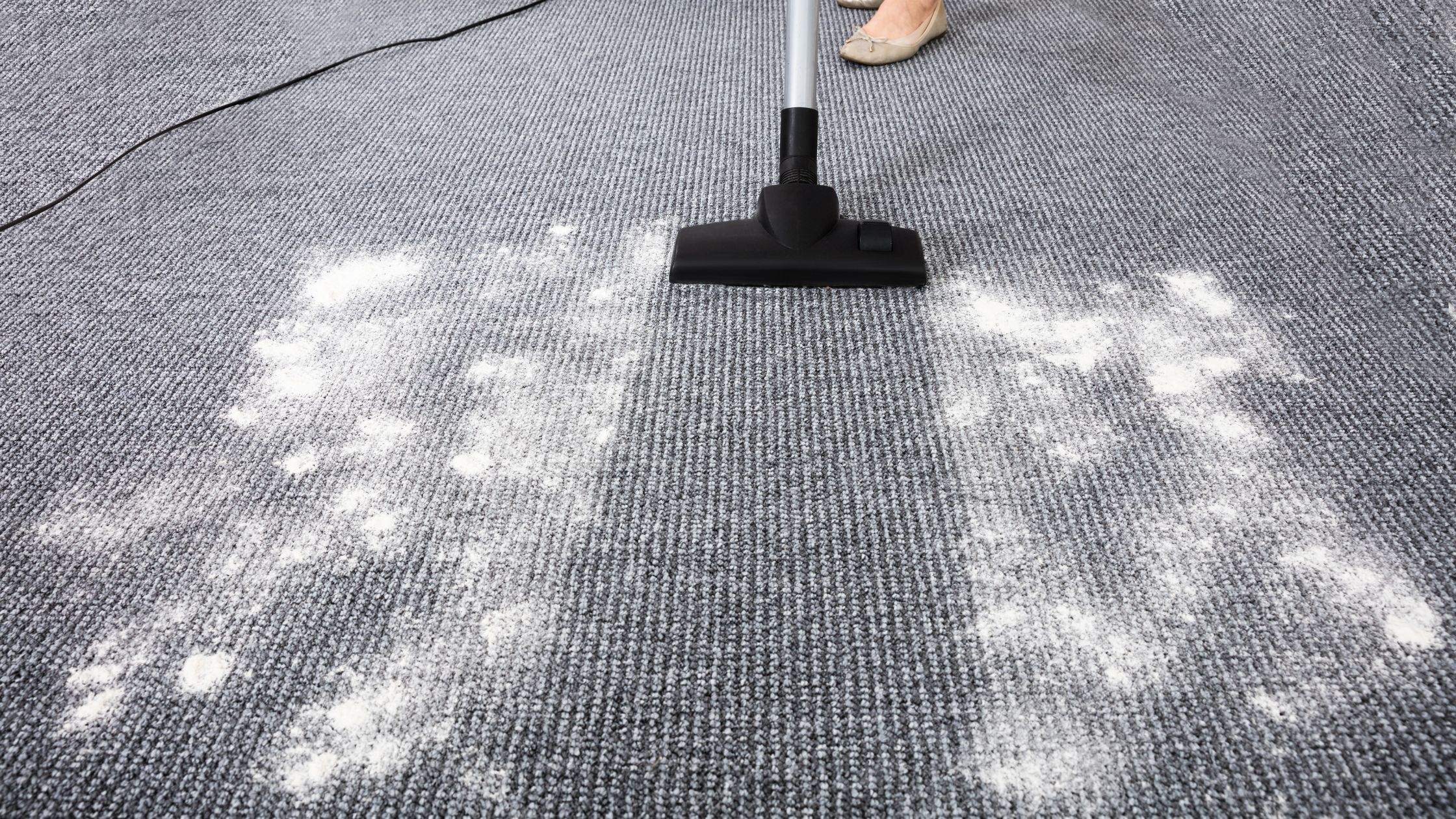
Even well-maintained carpeting experiences occasional spills and signs of wear. Children, pets, visitors, and everyday activities can introduce substances that affect carpet fibers, while repeated foot traffic may gradually change their texture.
Understanding how to respond to common problems can help prevent minor damage from becoming more extensive. Some stains can be treated with appropriate household products, while certain repairs and deeply embedded contamination require professional assistance.
Removing Stubborn Stains
Different substances require different cleaning approaches because their ingredients interact with carpet fibers in different ways. Treating stains promptly and selecting products appropriate for the carpet material improves the likelihood of successful removal.
Common carpet stains include:
-
Wine: Red wine contains pigments that can penetrate carpet fibers and leave visible discoloration. Begin by blotting the spill with a clean white cloth to remove as much liquid as possible. Apply a carpet-approved stain remover according to its instructions, working gently from the outside of the stain toward the center. A diluted vinegar solution may be suitable for certain carpet materials, but test compatibility before use.
-
Coffee/Tea: Coffee and tea contain tannins that can leave brown or yellowish stains when absorbed into carpeting. Blot the affected area immediately, then apply a cleaning solution approved for your carpet’s fiber type. Some compatible carpets may tolerate diluted white vinegar, but acidic cleaners aren’t suitable for every material. Remove any cleaning residue with a lightly dampened cloth and allow the area to dry.
-
Grease/Oil: Grease and oil-based stains can cling to carpet fibers and resist ordinary water-based cleaning. Carefully remove excess material without spreading the stain, then use a carpet-safe product formulated for oily residue. Baking soda may absorb some surface oil when permitted by the carpet and vacuum manufacturers, but excessive powder can become trapped in the fibers. Solvents such as rubbing alcohol should be used only when the carpet manufacturer’s instructions specifically allow them.
Avoid mixing cleaning chemicals or applying stronger products when a stain doesn’t respond to initial treatment. Certain ingredients may damage carpet dyes, backing materials, or delicate fibers.
If discoloration remains after careful cleaning, a professional carpet cleaner may be able to recommend a treatment appropriate for the substance and flooring material.
Repairing Wear-and-Tear
Carpet wear often becomes noticeable in areas that experience repeated foot traffic. Hallways, living rooms, and entryways may develop flattened fibers, visible pathways, or changes in texture that make the flooring appear older than surrounding sections.
Using runners and area rugs can help protect these locations from additional friction. Choose coverings designed for use over carpeting and clean beneath them regularly to prevent trapped dirt from contributing to further wear.
Entryway mats provide another layer of protection by collecting soil and debris before they reach carpeted rooms. Positioning mats both outside and inside exterior doors can reduce the amount of abrasive material brought into the home.
Frayed carpet fibers and loose strands require careful attention. Avoid pulling on protruding fibers because doing so may unravel additional material or damage the carpet backing. For certain cut-pile carpets, a small protruding fiber may be carefully trimmed level with the surrounding pile, but loop-pile snags and larger damaged sections are better evaluated by a flooring professional.
Wrinkles, loose seams, and significant wear patterns may indicate that the carpet needs stretching or repair. Addressing these issues promptly can help prevent additional movement or damage.
Quick Tip: Clean doormats regularly to maintain their effectiveness. Mats filled with dirt and debris may transfer particles back onto footwear, reducing the protection they provide.
Preventing carpet damage is generally easier than repairing extensive deterioration. Consistent cleaning, protective coverings, and timely repairs can help reduce the need for premature flooring replacement.
The Benefits of a Carpet Maintenance Program
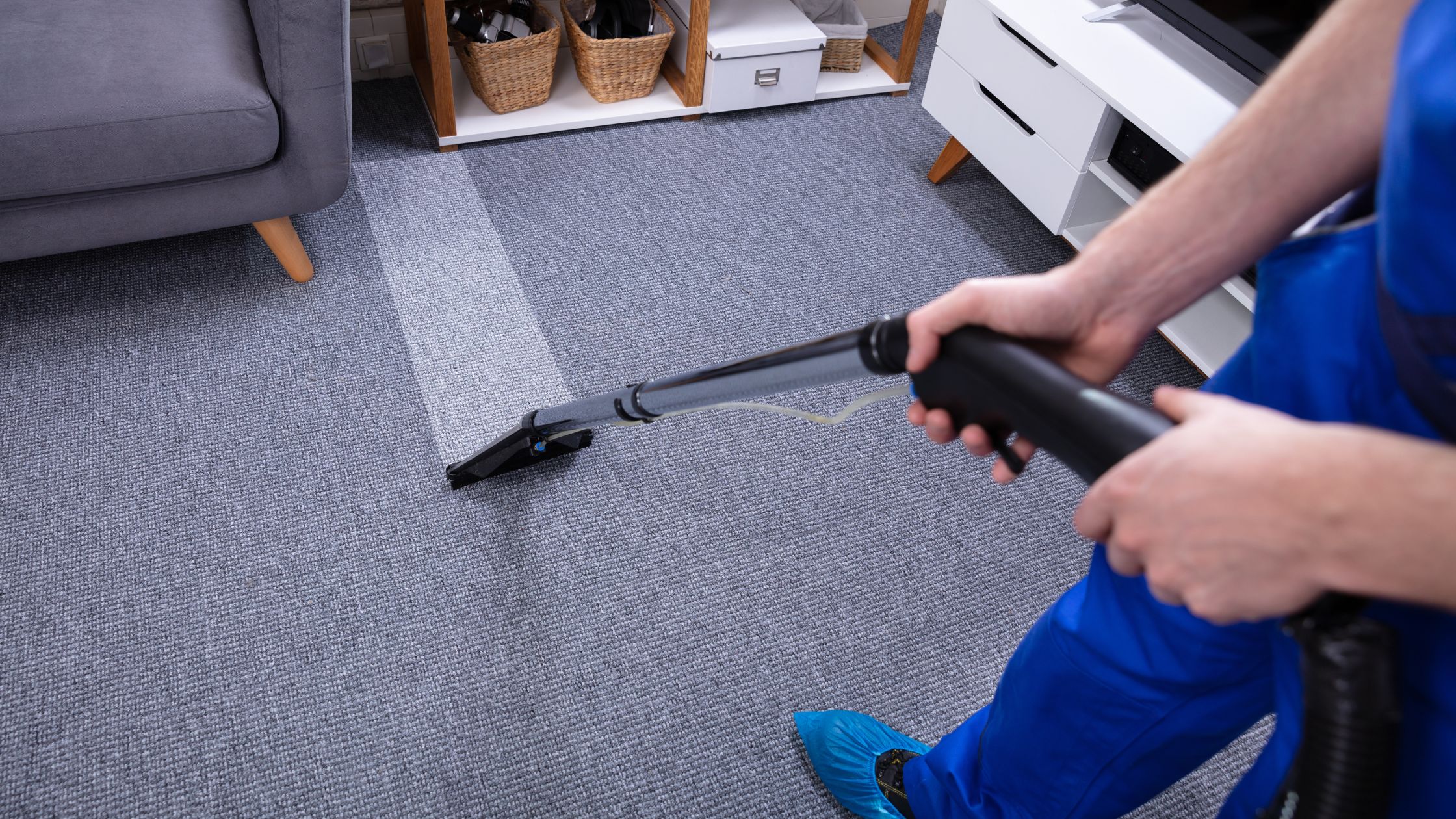
While regular household cleaning is important, professional carpet maintenance can provide additional support for preserving your flooring. Cleaning companies use specialized equipment and methods designed to remove embedded soil, treat difficult stains, and address concerns that routine vacuuming may not resolve.
A structured maintenance program can be particularly useful for large homes, commercial properties, and households with frequent activity. Rather than scheduling cleaning only when the carpet appears dirty, homeowners can establish a routine based on the flooring’s condition and manufacturer recommendations.
What Does a Carpet Maintenance Program Offer?
Professional carpet maintenance programs may include scheduled cleaning services, targeted stain treatments, and recommendations for ongoing carpet care. The exact services depend on the provider and the needs of the flooring.
Common benefits include:
-
Expert Cleaning: Professional carpet cleaners use specialized equipment to address dirt and residue that household vacuums may leave behind. Hot water extraction and other appropriate methods can remove accumulated soil when performed correctly. Experienced technicians can also evaluate the carpet material and choose techniques that minimize unnecessary moisture.
-
Stain Protection: Some maintenance programs offer protective treatments designed to make certain spills easier to clean. These treatments may help reduce how quickly liquids penetrate compatible carpet fibers, although they don’t make flooring completely stain-proof. Ask whether additional treatments are recommended for your carpet and whether they are compatible with any factory-applied stain protection.
-
Longevity Boost: Scheduled maintenance helps remove abrasive debris and accumulated residue before they contribute to further wear. Proper cleaning may also help preserve the carpet’s appearance and texture, supporting its performance over time. The benefits depend on using suitable equipment, products, and cleaning intervals.
Professional carpet maintenance can also help homeowners identify developing problems. A qualified technician may notice unusual fiber wear, persistent moisture, or staining that indicates a larger issue beneath the surface.
However, cleaning services and flooring installation services are not the same. When problems involve carpet stretching, damaged seams, or deteriorating padding, an experienced flooring installer or repair specialist may be more appropriate.
Did You Know? Some professional carpet cleaning companies offer customized maintenance packages based on the flooring’s material, age, and level of use. Comparing these programs can help homeowners choose a cleaning schedule without paying for treatments their carpet doesn’t require.
Before selecting a maintenance provider, ask about the cleaning methods used, expected drying times, applicable certifications, and experience with your carpet’s construction. A clear explanation of services can help you evaluate whether the program is appropriate for your home.
Quick Recap and How to Get Started
Maintaining your carpet doesn’t require constant attention, but establishing a consistent routine helps reduce unnecessary wear. Regular vacuuming removes abrasive particles, prompt spot cleaning limits staining, and preventative measures protect the areas that experience the most activity.
The most effective carpet maintenance plan is one that matches your household’s needs and your flooring’s specific requirements.
Here’s what to do next:
-
Establish a Cleaning Schedule: Create a routine that includes regular vacuuming, prompt spill cleanup, and periodic inspections. Adjust cleaning frequency based on household traffic, pets, and the carpet manufacturer’s instructions.
-
Protect Against Everyday Wear: Use entryway mats, compatible runners, and furniture protectors to reduce concentrated pressure and tracked-in debris. Check frequently used areas for developing stains, loose fibers, or wrinkles that may require attention.
-
Consider Professional Maintenance: Schedule periodic professional cleaning when appropriate for your carpet’s condition and warranty requirements. A qualified cleaning provider can recommend suitable methods and help address embedded soil that regular vacuuming may not remove.
Following these steps can help preserve the comfort, appearance, and performance of your carpeting. Small, consistent maintenance efforts are often more practical than waiting until significant staining or wear requires extensive attention.
For homeowners interested in additional cleaning methods, seasonal care strategies, and long-term maintenance recommendations, explore our Ultimate Guide to Carpet Maintenance and Longevity.
When carpeting has reached the end of its useful life, proper replacement and installation are important for achieving a comfortable, durable finished floor. At Oregon Floor Works, we help homeowners throughout Medford and Jackson County select flooring that complements their homes and everyday needs.
Whether you’re replacing damaged carpeting or updating an older room, our team can help you explore materials, padding, and installation options suited to your space. Learn more about our professional carpet flooring services and how we can help with your next flooring project.
With a thoughtful maintenance routine and professional assistance when needed, you can protect your carpeting and enjoy comfortable flooring for years to come.