
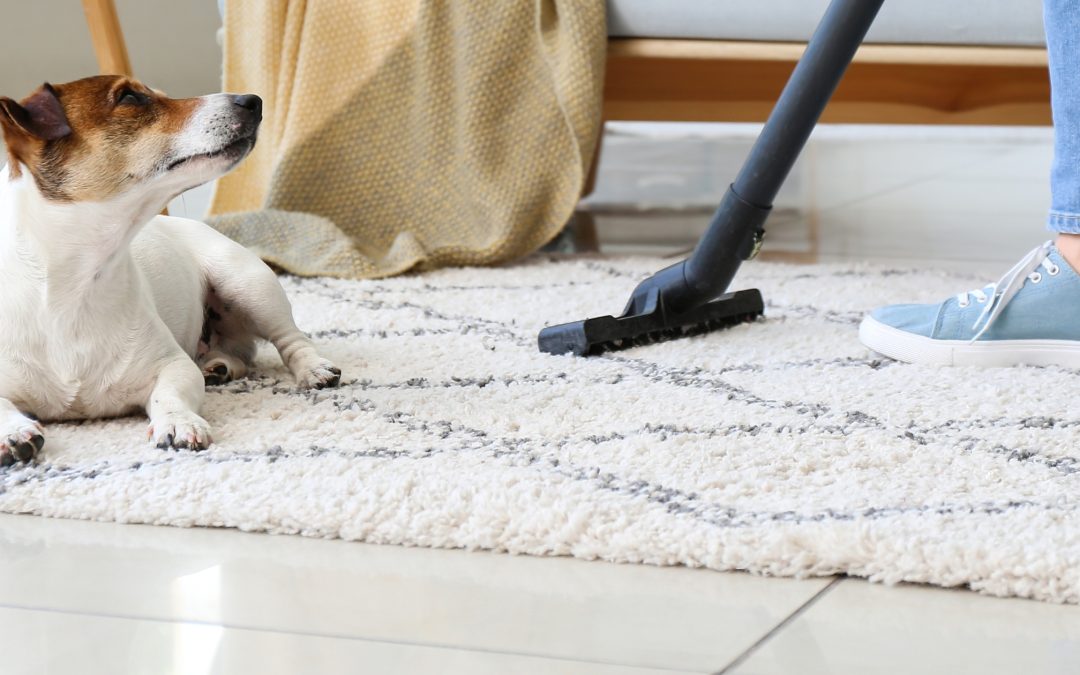
Keeping your carpets clean doesn’t have to mean relying on strong fragrances or aggressive cleaning products. Eco-friendly carpet cleaning focuses on effective methods that minimize unnecessary chemical exposure, reduce waste, and help maintain your flooring. With the right approach, you can address everyday dirt, odors, and spills while protecting your carpet fibers.
Many common household ingredients, including baking soda and white vinegar, have uses in carpet care. However, different carpet materials respond differently to cleaning solutions, so choosing the appropriate method is essential. Understanding how to use these products correctly can help you maintain cleaner carpets without creating additional damage.
Whether you’re interested in natural stain removal or professional green cleaning methods, this guide covers practical options for caring for your flooring. For a broader look at cleaning schedules, stain prevention, and long-term upkeep, explore our Ultimate Guide to Carpet Maintenance and Longevity.
Why Choose Green Carpet Cleaning?
Green carpet cleaning emphasizes products and practices designed to reduce environmental impact while maintaining effective cleaning results. This may include using concentrated solutions, limiting unnecessary fragrances, choosing biodegradable ingredients, or reducing water consumption during deep cleaning.
Many homeowners prefer eco-friendly methods because they want greater control over the ingredients used throughout their homes. Selecting products with verified environmental certifications can help distinguish genuinely safer formulations from those marketed as natural without supporting evidence.
A greener cleaning routine also encourages preventative maintenance. Regular vacuuming, immediate spill cleanup, and proper ventilation can reduce the need for intensive treatments while helping carpets retain their appearance.
Benefits of Eco-Friendly Carpet Cleaning
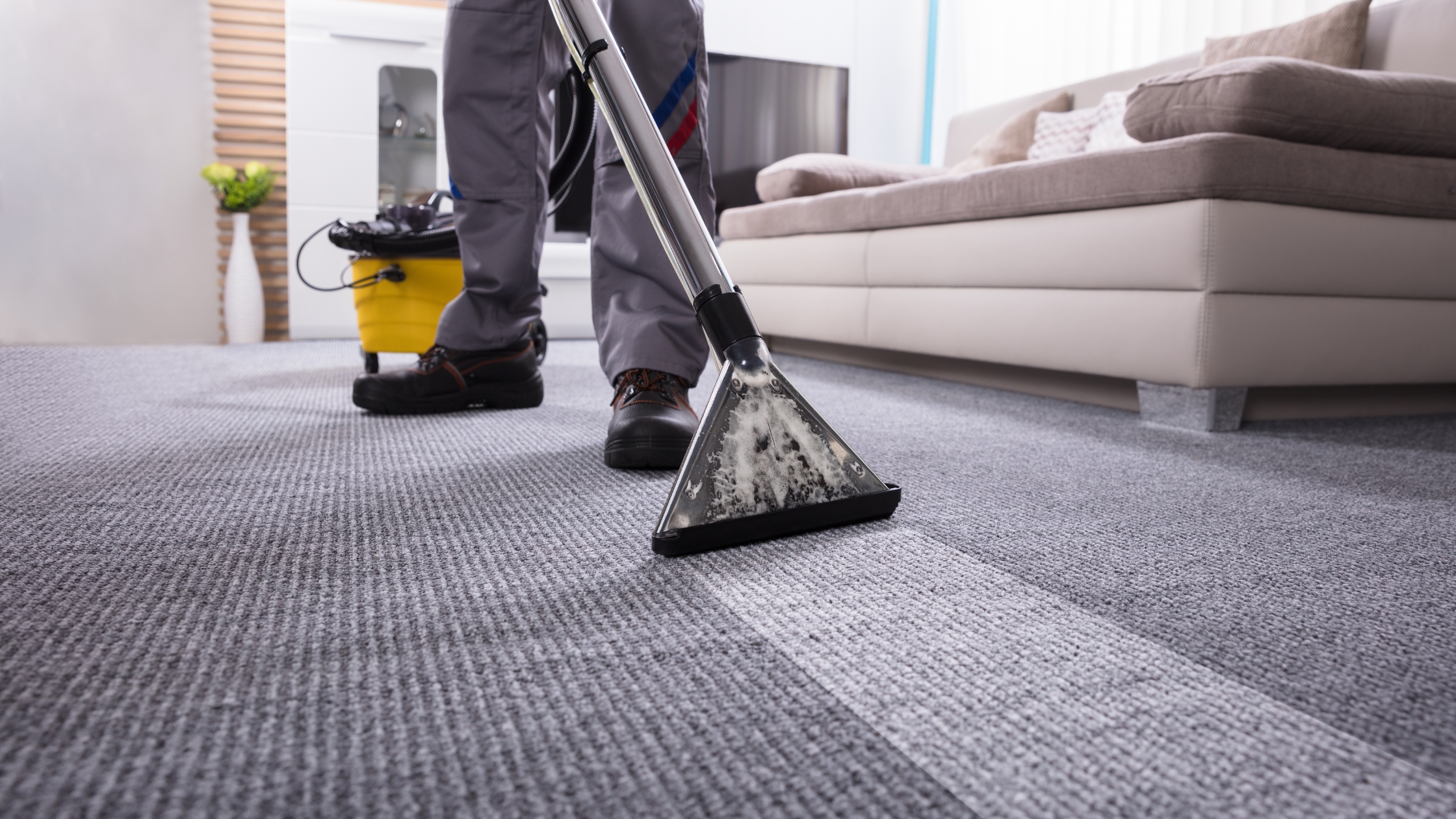
Choosing environmentally conscious cleaning methods offers several practical advantages for homeowners. Products formulated with lower-emission ingredients may reduce exposure to certain airborne chemicals, while concentrated or appropriately packaged cleaners can help minimize unnecessary waste.
Another benefit is the opportunity to select cleaning methods suited to your carpet’s specific fibers and construction. Using the correct amount of solution, removing residues, and avoiding excessive moisture can help preserve the carpet’s texture and appearance over time.
Eco-friendly carpet cleaning can also support a more consistent maintenance routine. Instead of waiting for dirt and stains to accumulate, homeowners can use regular vacuuming and targeted spot treatments to keep their flooring in better condition.
Quick tip: Look for products carrying the EPA Safer Choice label. This certification identifies cleaning products that meet specific criteria for ingredient safety and performance.
The Problem with Conventional Cleaners
Some conventional carpet cleaning products contain strong fragrances, solvents, or other ingredients that may contribute to indoor air pollution or cause irritation for sensitive individuals. The potential effects depend on the product’s formulation, concentration, ventilation, and how it’s used.
Using more cleaning solution than recommended can also create problems. Residue left behind in carpet fibers may attract additional dirt, making the flooring appear dirty again sooner than expected. Overwetting can introduce separate concerns, including prolonged drying times and possible damage to carpet backing.
However, not every conventional cleaner is harmful, and not every natural product is suitable for carpets. The most reliable approach is to choose products compatible with your flooring, follow the manufacturer’s instructions, and avoid unnecessary chemical treatments.
Top 6 Natural Solutions for Green Carpet Cleaning
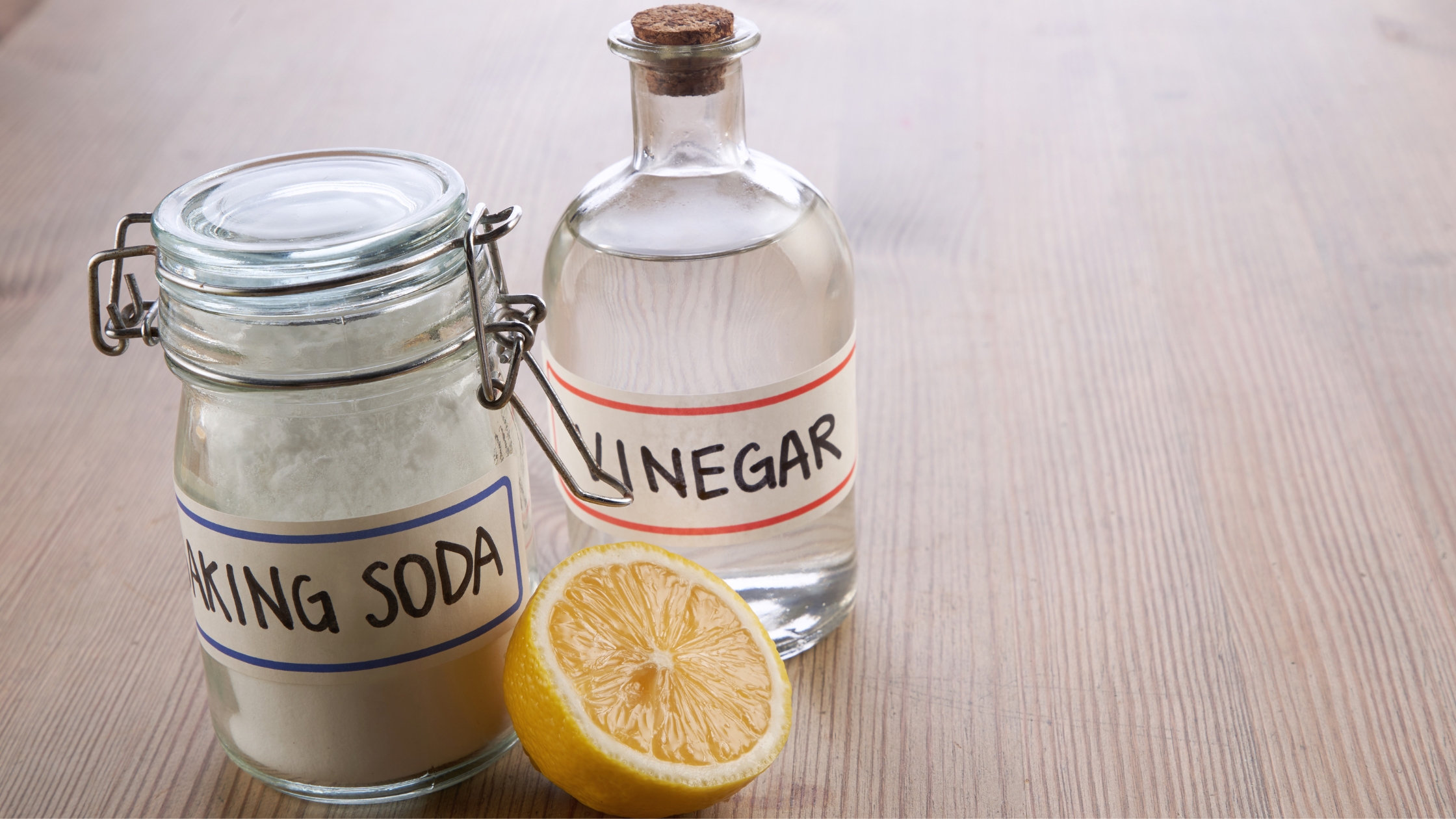
Several familiar household ingredients can play a role in eco-friendly carpet maintenance. Some are useful for controlling odors, while others may help address specific types of stains when used correctly.
Before applying any homemade solution, check the carpet manufacturer’s cleaning recommendations and test a small, hidden area. Wool, nylon, polyester, and other fibers may react differently to acidic ingredients, oxidizing agents, or cleaning products that leave residue.
1. Baking Soda
Baking soda is commonly used to absorb certain odors and freshen household surfaces. Small amounts may help address mild carpet odors, although it isn’t a substitute for removing the underlying source of a spill or contamination.
Use it sparingly and only if your carpet and vacuum manufacturers permit powdered treatments. Excessive amounts can become difficult to remove, particularly from dense or high-pile carpeting.
2. White Vinegar
White vinegar is an acidic household ingredient that can help with certain cleaning tasks, including reducing alkaline residue. For compatible carpet materials, a diluted mixture of one part white vinegar to two parts water may be appropriate for specific spot-cleaning situations.
Always test the solution before use and avoid saturating the carpet. Vinegar isn’t suitable for every carpet fiber or backing, and it shouldn’t be considered a general-purpose disinfectant.
3. Essential Oils
Essential oils such as lavender, eucalyptus, and tea tree are frequently used in household fragrance products. Although they provide distinctive scents, adding them directly to carpeting can leave residues or create unwanted exposure for pets and sensitive household members.
For a fragrance-free approach, focus on removing the source of odors rather than covering them with scent. Homes with pets should be particularly cautious because certain essential oils can cause harmful reactions in animals.
4. Castile Soap
Castile soap is a plant-based cleaning product traditionally made from vegetable oils. When appropriately diluted, it may help loosen certain types of dirt or greasy residue on compatible carpet fibers.
Use only a small amount and avoid aggressive scrubbing, which can damage the carpet’s surface. Any soap residue should be carefully removed afterward because leftover cleaning agents can attract dirt.
5. Lemon Juice
Lemon juice contains citric acid and is sometimes used in homemade cleaning solutions. Its acidity may help address certain stains on compatible materials, but it can also affect carpet dyes and finishes.
Because lemon juice may cause discoloration, it shouldn’t be used as a routine carpet cleaner. A carpet-specific cleaning product is generally a more predictable choice, particularly for colored carpets and natural fibers.
6. Hydrogen Peroxide
Hydrogen peroxide is an oxidizing ingredient found in some stain-removal products. A 3% solution may help treat certain stubborn stains on compatible synthetic carpets, but it can also lighten dyes or damage sensitive materials.
Check the manufacturer’s recommendations and test thoroughly before applying it. Avoid using hydrogen peroxide on wool or other natural fibers unless a qualified carpet care professional confirms that the treatment is appropriate.
How to Use Baking Soda for Carpet Cleaning
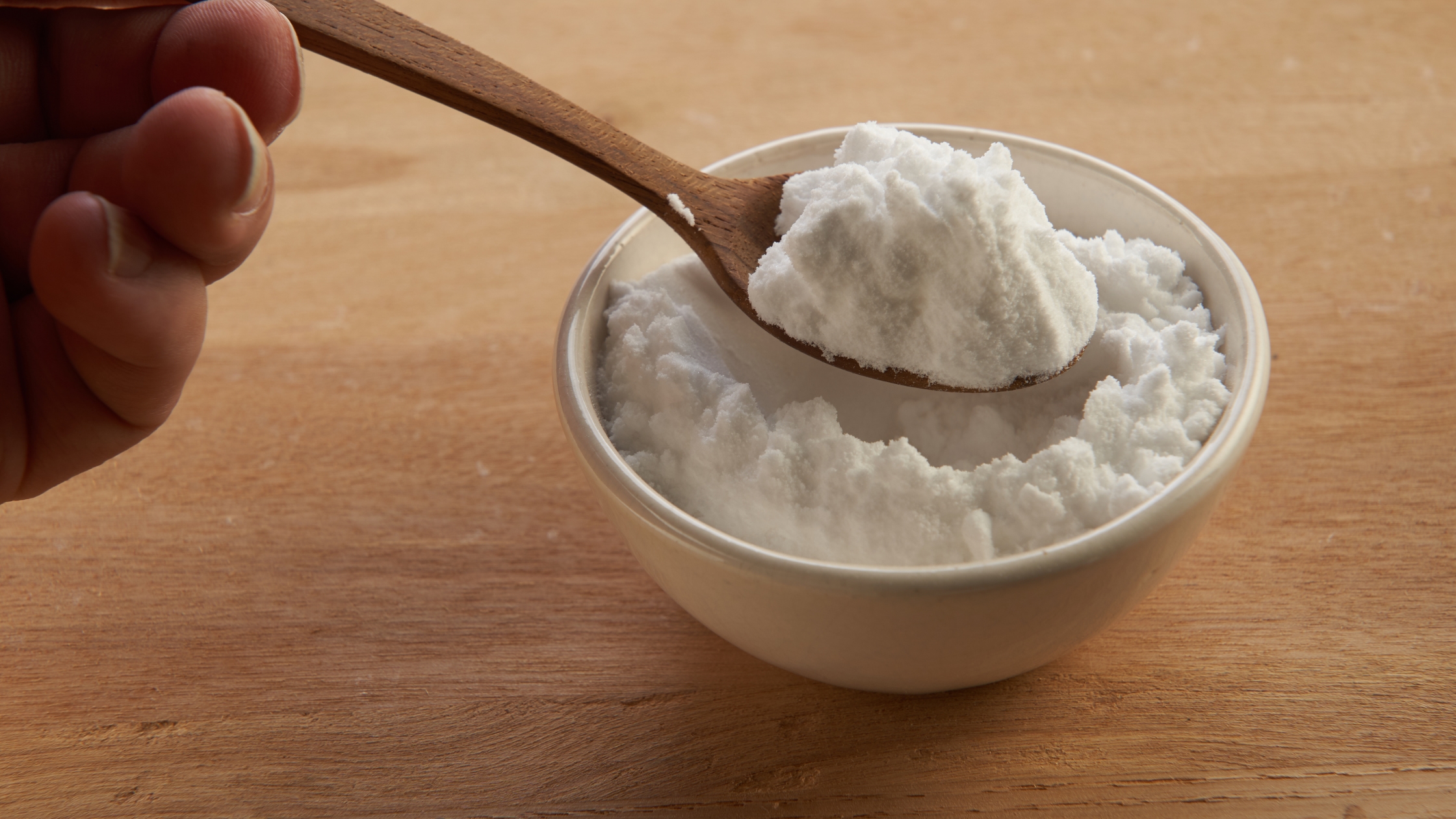
Baking soda is best known for its odor-absorbing properties, making it a popular ingredient in homemade carpet freshening methods. It may provide temporary improvement for mild odors, but deeper contamination often requires more thorough cleaning.
If your carpet and vacuum manufacturers permit baking soda treatments, follow these steps:
-
Sprinkle Baking Soda: Apply a small, even amount to the affected area rather than covering the entire carpet with a thick layer.
-
Wait: Allow the powder to sit for approximately 30 minutes, or according to the carpet manufacturer’s recommendations.
-
Vacuum: Carefully remove the baking soda using a vacuum approved for fine powder pickup, checking that no visible residue remains.
Avoid applying baking soda to damp carpeting, where it can form clumps and become more difficult to remove. If odors continue after cleaning, investigate whether moisture, spills, or contamination have reached the carpet padding or subfloor.
Did you know? Baking soda has many household cleaning applications beyond carpet care, including certain kitchen and laundry uses. However, its suitability for a particular surface depends on the material and cleaning instructions.
The Power of Vinegar in Carpet Cleaning
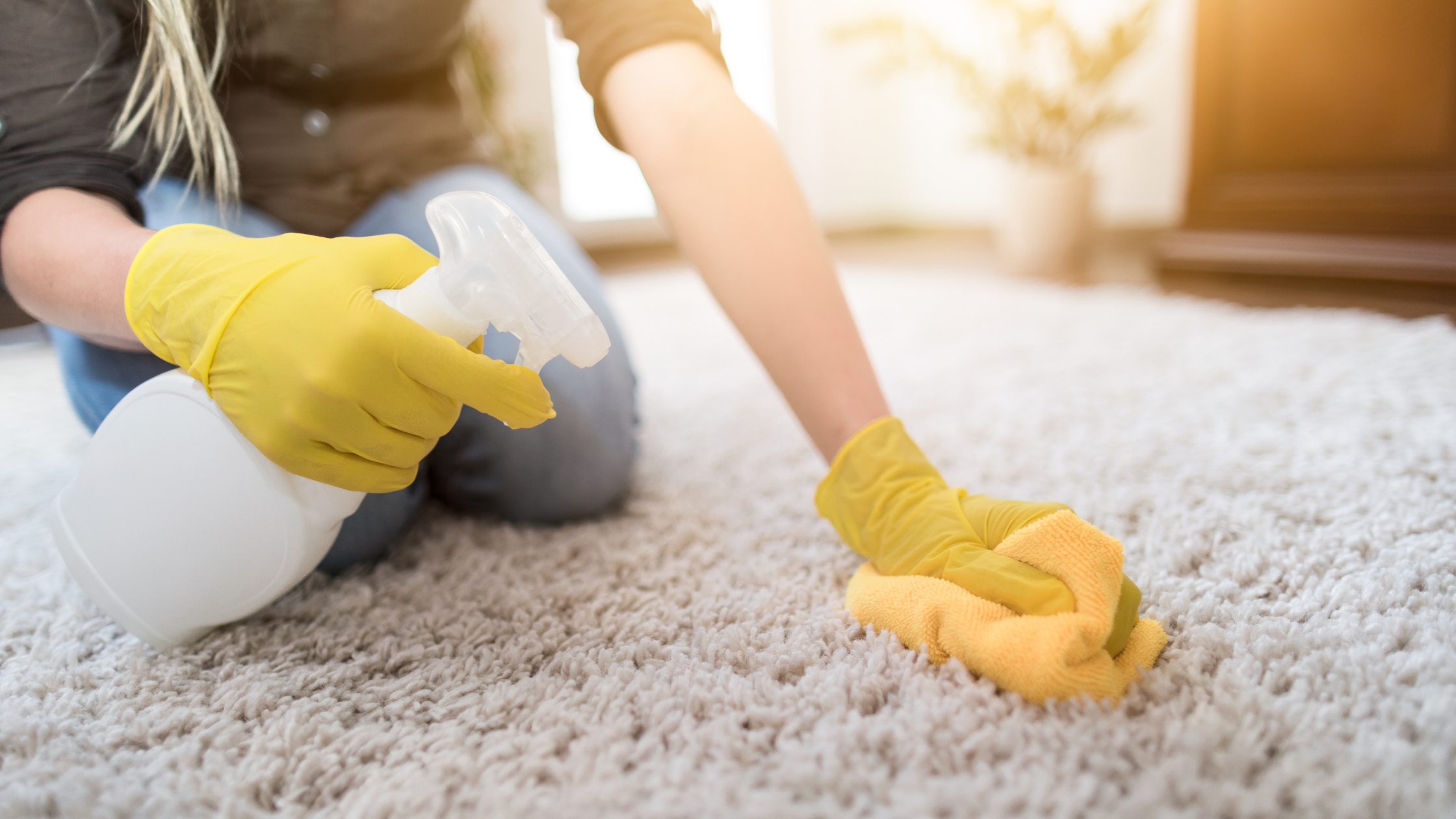
White vinegar is often used in household cleaning because its acidity can help dissolve certain types of residue. In carpet care, properly diluted vinegar may help neutralize alkaline cleaning residue when the carpet manufacturer permits its use.
For compatible carpeting, the following method can be considered:
-
Mix Solution: Combine one part white vinegar with two parts water in a clean spray bottle.
-
Apply: After testing an inconspicuous area, lightly apply the solution to a clean white cloth rather than saturating the carpet.
-
Blot: Gently work from the outside of the affected area toward the center, removing residue without rubbing or spreading the stain.
Avoid combining vinegar with other cleaning chemicals, particularly chlorine bleach. Mixing vinegar with baking soda also produces a reaction that neutralizes much of their original acidity and alkalinity, so it doesn’t necessarily improve cleaning performance.
Quick tip: Test any vinegar solution before applying it to a visible section of carpet. If you notice discoloration, texture changes, or dye transfer, discontinue use and choose a carpet-compatible cleaner.
Essential Oils for Fresh Carpets
Essential oils are commonly associated with natural household fragrances, but they aren’t necessary for effective carpet cleaning. Lavender, eucalyptus, and tea tree oils have distinctive scents, yet their concentrated ingredients may irritate sensitive individuals or pose risks to pets.
Rather than applying essential oils directly to carpet fibers, consider these alternatives:
-
Skip Scented Baking Soda: Use unscented cleaning methods instead of mixing essential oils with powdered treatments. This avoids introducing fragrance oils that may remain in the carpet.
-
Avoid Adding Oils to Vinegar: Essential oils don’t reliably mix with water-based cleaning solutions and can leave concentrated droplets on carpet fibers.
-
Freshen Indoor Air: Improve ventilation, remove odor sources, and maintain clean entryways instead of spraying scented mixtures onto carpeting.
The ASPCA’s guidance on essential oils is especially useful for households with dogs, cats, and other animals. It explains why concentrated oils should be handled carefully and kept away from pets.
If you enjoy natural home fragrances, learn more about the household uses of essential oils. Keep in mind that fragrance recommendations aren’t necessarily appropriate for direct carpet application.
Green Carpet Cleaning Services
Professional green carpet cleaning services provide an option for homeowners who want deeper cleaning without managing the process themselves. These companies may use lower-emission products, concentrated cleaning solutions, or methods designed to limit water and chemical waste.
When comparing services, ask which cleaning products they use and whether those products are appropriate for your carpet’s material. Certifications such as the EPA Safer Choice label or the Carpet and Rug Institute’s Seal of Approval can help you evaluate specific cleaning solutions.
It’s also worth asking about extraction methods, drying times, and how the company prevents excessive moisture. Proper rinsing and thorough extraction can help remove accumulated dirt and minimize cleaning residue.
Did you know? Some professional carpet cleaning systems are designed to reduce water consumption, although actual usage varies by equipment and method. Comparing the cleaning process rather than relying on environmental marketing claims can help you choose a service that fits your priorities.
Carpet Repair: DIY or Call a Pro?
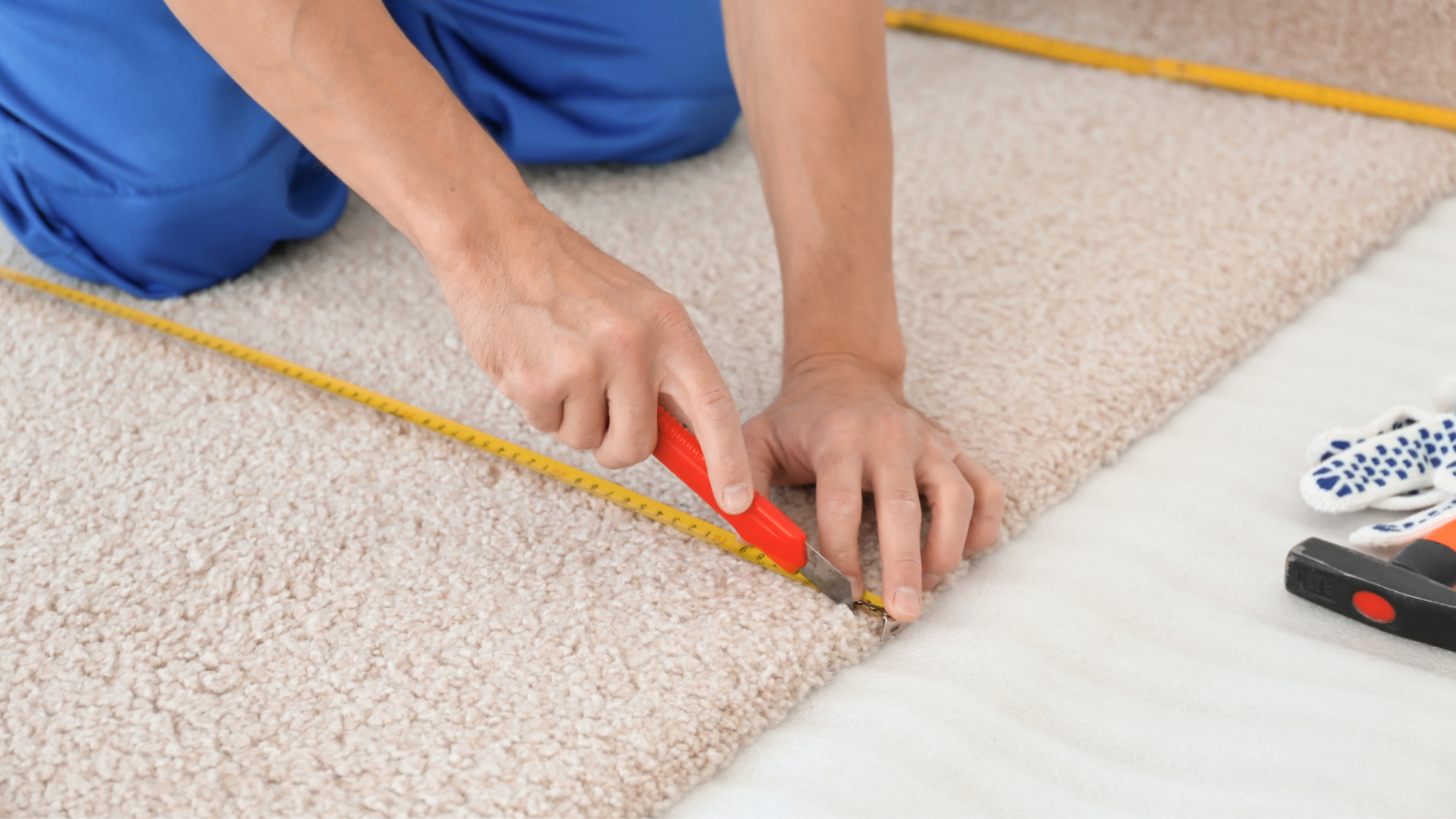
Even with careful cleaning, carpets can develop damage from daily foot traffic, furniture movement, spills, or pets. Depending on the condition of the flooring, repairs may help extend its usable life without requiring a complete replacement.
Minor issues, such as a small snag or localized damage, may be manageable with appropriate repair materials. However, cutting loose carpet fibers, applying unsuitable adhesives, or attempting complicated patches can sometimes make the damage more noticeable.
Larger tears, significant wrinkles, damaged seams, and moisture-related problems often require professional evaluation. A flooring specialist can determine whether stretching, patching, or another repair method is appropriate.
For more information, explore our carpet repair guide, which explains when DIY solutions may work and when professional help is the better choice. You can also learn more about our professional carpet flooring services in Medford, Oregon.
Preventing Carpet Wear and Tear
Keeping carpet clean is an important part of protecting it from premature wear. Dirt and small abrasive particles can become embedded in carpet fibers, gradually affecting their texture and appearance as people walk across the flooring.
High-traffic spaces such as hallways, entryways, and living rooms generally require more frequent attention. Placing runners in busy areas, using entrance mats, and vacuuming regularly can help limit the amount of debris reaching your carpet.
Furniture placement also affects how wear develops. Rearranging movable furniture periodically can help distribute traffic patterns, while appropriate furniture protectors may reduce concentrated pressure on carpet fibers.
For additional strategies, read our guide to preventing carpet wear and tear. It covers flooring choices, protective coverings, furniture placement, and maintenance habits for frequently used spaces.
Quick Tips for Maintaining Eco-Friendly Carpets
Developing a consistent cleaning routine can reduce the need for intensive treatments and help your carpet maintain its appearance. Simple preventative habits are often more practical than repeatedly applying cleaning products to the entire floor.
Consider incorporating these steps into your regular maintenance schedule:
-
Vacuum Regularly: Remove loose dirt, dust, and debris before particles settle deeper into the carpet. Increase vacuuming frequency in high-traffic areas or homes with pets.
-
Spot Clean Immediately: Blot spills with a clean, absorbent cloth instead of rubbing the surface. Use a carpet-approved cleaning solution when necessary and avoid applying excessive moisture.
-
Use Appropriate Products: Choose lower-emission or environmentally certified cleaning products compatible with your carpet. Follow dilution instructions and remove cleaning residues to help prevent resoiling.
Proper ventilation and drying are also important after any wet cleaning treatment. Open windows when outdoor conditions permit, use fans if appropriate, and avoid placing heavy furniture on damp carpeting.
Conclusion
Eco-friendly carpet cleaning is about choosing thoughtful maintenance practices that protect your flooring while reducing unnecessary environmental impact. Regular vacuuming, prompt stain removal, and carefully selected cleaning products can help maintain carpet appearance without excessive chemical use.
Household ingredients such as baking soda and vinegar may be useful for certain cleaning tasks, but they aren’t suitable for every carpet or stain. Understanding your carpet’s material and following manufacturer recommendations will help you avoid damage while choosing more sustainable cleaning methods.
Whether you’re caring for newer carpeting or trying to extend the life of an existing floor, preventative maintenance remains one of the most practical approaches. Combining routine cleaning with appropriate repairs can help keep your carpet comfortable and attractive for years.
At Oregon Floor Works, we help homeowners throughout Medford and Jackson County select and install carpeting suited to their homes and everyday needs. If your existing carpet has extensive wear, permanent damage, or other issues that cleaning can’t resolve, our team can help you explore replacement options.
Ready to refresh your flooring? Contact Oregon Floor Works to learn more about our carpet flooring services and find the right solution for your home.