
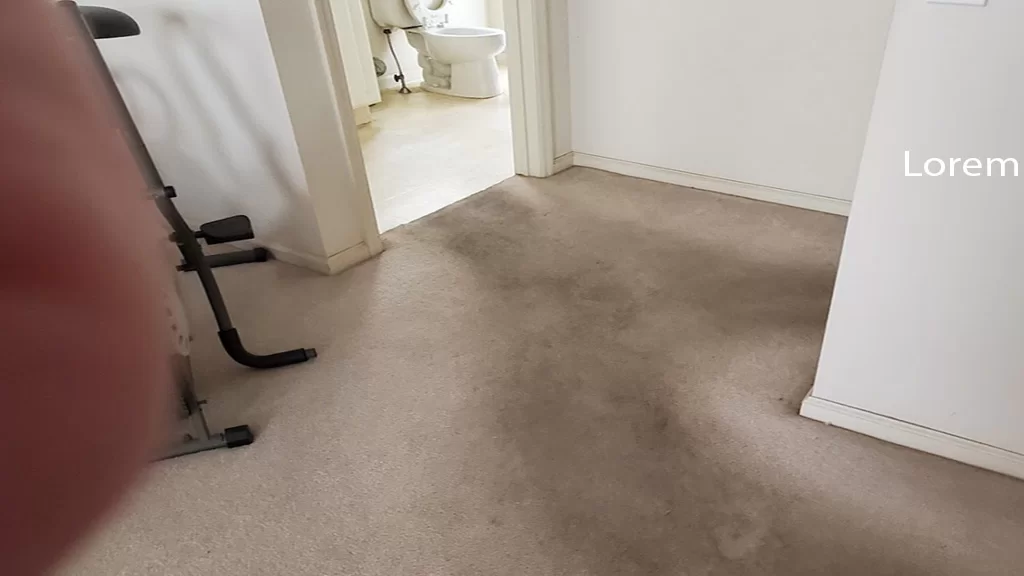
Carpet adds comfort and warmth to a home, but daily foot traffic can gradually affect its appearance and condition. Hallways, living rooms, and entryways tend to show damage first because they’re used more frequently than other spaces. Fortunately, a few preventative measures can help reduce carpet wear and tear without requiring major changes to your home.
From selecting durable materials to adjusting your cleaning routine, protecting carpet involves several simple habits. Understanding what causes premature wear can help you maintain your flooring’s appearance and avoid replacing it sooner than necessary.
Understanding Carpet Wear and Tear
Carpet wear and tear occurs as fibers experience repeated pressure, friction, and exposure to dirt over time. High-traffic areas are particularly vulnerable because frequent walking can flatten fibers, create visible traffic patterns, and gradually change the carpet’s texture. Furniture movement and embedded debris can contribute to additional damage.
Loose carpeting is another concern that homeowners sometimes overlook. When carpet develops wrinkles or ripples, the raised areas receive uneven pressure that can accelerate wear and create tripping hazards. Properly stretched carpeting distributes tension more evenly and helps maintain a smoother surface.
If your flooring has developed noticeable ripples, learn more about how carpet stretching can help address loose or wrinkled areas.
Quick Tip
Carpets with dense fibers, durable backing, and construction suited to frequent foot traffic generally hold up better in busy households. When selecting new flooring, consider fiber type and construction quality rather than choosing based on appearance alone.
Use Runners and Area Rugs
Placing runners and area rugs in frequently used spaces can help minimize direct contact with the carpet underneath. These protective coverings absorb some of the daily foot traffic and collect dirt before it becomes embedded in the primary flooring.
For the best results, consider the following:
-
Strategic Placement: Position runners in hallways and area rugs in living rooms, entryways, and other areas where people regularly walk. Choose rugs that lie flat and use a compatible, non-slip backing to help prevent movement.
-
Regular Cleaning: Vacuum area rugs frequently and clean underneath them to remove trapped grit and debris. Dirt that accumulates between the rug and carpet can cause friction and contribute to unwanted wear.
Rugs can also help protect areas where pets frequently walk or children play. Just remember to inspect the carpet underneath periodically, since covering a surface doesn’t eliminate the need for maintenance.
External Link
For additional recommendations on protecting carpeting from everyday wear, explore the Carpet and Rug Institute’s carpet cleaning and maintenance guidelines. These resources explain how routine care and controlling tracked-in dirt can support long-term carpet performance.
Choose the Right Type of Carpet
Not all carpeting is designed to withstand the same amount of activity. Selecting an appropriate material for high-traffic areas can make a significant difference in how the flooring looks and performs after years of daily use.
When comparing carpet options, pay attention to these characteristics:
-
Material: Nylon is often selected for its resilience and ability to recover from compression. Polyester offers good stain resistance, although its performance under heavy traffic depends on the carpet’s construction and quality.
-
Pile Height: Low-pile carpets generally experience less crushing and matting than taller, plush styles. Their shorter fibers can also make routine vacuuming and maintenance easier.
-
Color and Pattern: Medium tones, textured designs, and patterned carpeting can help conceal minor dirt and traffic marks. Very light or solid-colored carpeting may reveal changes in appearance more quickly.
-
Quality and Construction: Higher-quality carpet often features denser construction and more resilient fibers. Although these materials may require a greater initial investment, choosing flooring designed for your household’s activity level can provide better long-term performance.
It’s also important to consider how individual rooms are used. A soft, plush carpet might work well in a lightly used bedroom, while a dense, durable product may be more appropriate for busy hallways and family rooms.
Quick Tip
Stain-resistant carpet treatments can make everyday spills easier to manage, particularly in homes with children or pets. Pairing the carpet with suitable padding also provides support and helps reduce unnecessary stress on the backing.
Some carpet pads feature moisture barriers designed to limit how much liquid from surface spills reaches the subfloor. However, these barriers aren’t a substitute for prompt cleaning or correcting existing moisture problems.
Learn more about choosing appropriate materials in our guide to the best carpet padding.
Proper Placement of Furniture
Furniture arrangement can influence how foot traffic moves throughout a room and where carpet begins to show wear. When people repeatedly follow the same narrow path, the fibers in that area can become compressed faster than those in less-used spaces.
Thoughtful furniture placement can help distribute pressure and protect your flooring.
-
Avoid Heavy Traffic Paths: Arrange sofas, chairs, and tables to provide comfortable walking routes without forcing people through narrow carpeted areas. When possible, create more than one practical pathway through frequently used rooms.
-
Use Furniture Pads: Place appropriate furniture coasters or weight-distributing pads beneath heavy furniture legs. These accessories can help reduce concentrated pressure and minimize deep indentations in carpet fibers.
-
Floor Protection: Repeated rolling from office chairs and similar equipment can place considerable stress on carpeting. Use a chair mat designed for your carpet type, and consider hard-surface flooring in areas where wheelchairs or other wheeled mobility equipment require easier movement.
If you’re designing a home office, think about how often your chair moves throughout the day. Even durable carpet can develop wear patterns when rolling pressure is concentrated in the same area for extended periods.
Regular Cleaning and Maintenance
Routine cleaning is one of the most effective ways to reduce carpet wear and tear. Dirt, sand, and small particles can become trapped between fibers, creating abrasion as people walk across the flooring.
Maintaining a consistent cleaning schedule helps remove these particles before they contribute to premature deterioration.
-
Vacuum Frequently: Vacuum high-traffic areas at least twice weekly, increasing the frequency when needed for pets, children, or heavy activity. Use a vacuum appropriate for your carpet’s pile and follow the manufacturer’s care instructions.
-
Spot Clean Spills Immediately: Blot spills with a clean cloth rather than scrubbing the fibers. Choose a carpet-compatible cleaner and test it in an inconspicuous area before treating a visible stain.
-
Schedule Professional Cleaning: Arrange periodic professional deep cleaning to remove embedded dirt that regular vacuuming may leave behind. Many carpet manufacturers recommend professional cleaning approximately every 12 to 18 months, although specific requirements vary.
Regular maintenance also provides an opportunity to check for loose seams, wrinkles, or unusual wear patterns. Addressing these concerns early can help prevent minor flooring problems from becoming more extensive.
For additional cleaning recommendations, explore our eco-friendly carpet cleaning guide and our article covering carpet cleaning products and equipment.
Did You Know?
Embedded dirt can gradually damage carpet fibers even when the surface doesn’t appear especially dirty. Professional deep cleaning helps remove particles that routine vacuuming may not reach, supporting better carpet appearance and performance.
The equipment and cleaning products you use also matter. Choosing methods compatible with your carpet can help prevent unnecessary damage from excessive moisture, aggressive brushing, or unsuitable cleaning solutions.
Implement a No-Shoes Policy
Shoes can track dirt, gravel, moisture, and other debris onto carpeting. Over time, these particles may become embedded in the fibers and contribute to visible traffic patterns and surface wear.
A no-shoes policy is one way to reduce tracked-in debris, especially in households where family members regularly move between indoor and outdoor spaces.
-
Designate a Shoe-Free Zone: Place a shoe rack, bench, or storage basket near the entrance so household members have a convenient place to remove their shoes.
-
Provide Slippers: Keep a few pairs of indoor slippers available for family members or guests who prefer not to walk barefoot.
However, requiring every visitor to remove their shoes isn’t necessary for maintaining your carpet. The owner of Oregon Floor Works prefers a more practical approach, recommending quality doormats outside and inside each entrance to help remove debris before it reaches the flooring.
Creating a dedicated entryway where people can wipe or clean their footwear is another effective option. This approach allows homeowners to limit tracked-in dirt without making shoe removal a requirement for every guest.
Rotate and Rearrange Furniture
Carpet can develop noticeable differences in texture when certain sections receive significantly more foot traffic than others. Periodically adjusting furniture placement helps redirect movement and reduce continuous pressure on the same areas.
Even small changes to a room’s layout may help prevent concentrated wear.
-
Quarterly Rotation: Consider adjusting movable furniture every few months to change how the room is used. Moving lightweight pieces or changing seating arrangements may help distribute foot traffic more evenly.
-
Rearrange Layouts: Occasionally reposition chairs, tables, or other furniture to create alternative walking paths. This can help prevent one section of carpet from receiving the majority of daily traffic.
When moving furniture, lift heavy items instead of dragging them across the carpet. Dragging can pull fibers, damage the backing, or create unnecessary stress around seams.
You may also notice indentations where heavy furniture has remained in place for an extended period. Depending on the carpet construction, some compressed areas may recover with time and appropriate maintenance, while others can develop more permanent changes.
Conclusion
Preventing carpet wear and tear requires a combination of smart flooring choices, consistent maintenance, and thoughtful use of your living spaces. Protective runners, durable carpet materials, appropriate furniture placement, and regular cleaning can all help reduce damage in high-traffic areas.
Pay attention to early warning signs such as flattened fibers, wrinkles, persistent stains, and uneven wear. Making small adjustments before these problems worsen can help your carpeting retain its appearance and remain comfortable for everyday use.
For more information about maintaining your flooring, visit our Ultimate Guide to Carpet Maintenance and Longevity. It covers additional cleaning methods, carpet repairs, and long-term care strategies for homeowners.
At Oregon Floor Works, we help homeowners in Medford and throughout Jackson County choose and install carpeting suited to their homes. Whether you’re updating a busy living room or replacing worn flooring, our team can help you explore durable carpet options that fit your needs.
Ready to improve your home’s flooring? Contact Oregon Floor Works to learn more about our professional carpet flooring services.