

Choosing new carpet involves more than finding the right color, texture, or price. The materials used to manufacture carpeting, the installation process, and how long the flooring lasts can all influence its environmental impact. For homeowners in Medford, OR, exploring eco-friendly carpet options is one way to make more informed flooring decisions.
Traditional carpeting often contains synthetic fibers derived from petroleum, while alternative products may incorporate renewable resources or recycled materials. Understanding these differences can help you choose flooring that balances environmental considerations with comfort, durability, and everyday maintenance.
Whether you’re renovating a bedroom or replacing carpeting throughout your home, sustainable flooring choices can support your long-term goals. This guide explores five eco-friendly carpet materials, what to look for when comparing brands, and how proper installation and maintenance can help reduce unnecessary waste.
Why Choose an Eco-Friendly Carpet?
The environmental impact of carpeting begins with the raw materials used in its production. Many conventional carpets contain synthetic fibers such as nylon, polyester, or polypropylene, which are typically manufactured using petroleum-based resources. Manufacturing, transportation, installation, and disposal can all contribute to a carpet’s overall environmental footprint.
Carpet disposal is another important consideration, especially when flooring is replaced before reaching the end of its useful life. Certain synthetic fibers can remain in landfills for extended periods, and recycling options aren’t always readily available. In smaller communities such as Medford, carpet and padding recycling programs may be limited or cost-prohibitive.
Eco-friendly carpeting offers alternatives through renewable fibers, recycled materials, and products designed for extended use. However, sustainability depends on more than the material alone. Manufacturing practices, product durability, cleaning requirements, and end-of-life disposal all affect how environmentally responsible a flooring choice may be.
Indoor air quality is another factor worth considering. Some carpet products, cushions, and adhesives are independently tested for low volatile organic compound (VOC) emissions. Selecting certified low-emission materials can help homeowners reduce exposure to certain airborne chemicals associated with flooring products.
Environmental Benefits:
-
Reduced Carbon Footprint: Some eco-friendly carpets use recycled content, renewable materials, or production methods designed to reduce resource consumption. The actual carbon footprint depends on manufacturing processes, transportation, and the product’s expected lifespan.
-
Biodegradability: Natural fibers such as wool, sisal, and jute can biodegrade under suitable conditions. However, synthetic backing, adhesives, dyes, and other treatments may affect whether a finished carpet product is biodegradable.
-
Support for Sustainable Industries: Choosing manufacturers that prioritize responsible sourcing, recycled content, and transparent environmental practices can support continued improvements in flooring production. Look for documented sustainability efforts rather than relying on marketing terminology alone.
Health Benefits:
-
Lower VOC Emissions: Carpets certified through recognized low-emission testing programs can help reduce exposure to certain volatile organic compounds. Low-emission materials may be particularly appealing to homeowners concerned about indoor air quality.
-
Natural Materials: Wool, sisal, and other plant- or animal-based fibers provide alternatives to petroleum-derived carpeting. However, natural materials aren’t automatically hypoallergenic, and their suitability depends on individual sensitivities, product treatments, and cleaning requirements.
Selecting eco-friendly carpet involves evaluating these benefits alongside your home’s needs. A durable, appropriately installed carpet that remains in service for many years may be a more practical environmental choice than a less durable alternative requiring frequent replacement.
Top 5 Eco-Friendly Carpet Materials
Eco-friendly carpeting is available in several materials, each with different characteristics, maintenance needs, and environmental considerations. Some products use renewable natural fibers, while others incorporate recycled synthetic materials that help reduce demand for new resources.
Before choosing a material, consider where the carpet will be installed, how much foot traffic it will receive, and whether the product is appropriate for wall-to-wall installation. The following five options offer different approaches to more sustainable flooring.
-
Wool: Wool is a renewable natural fiber collected through sheep shearing and valued for its durability, resilience, and soft texture. Its naturally crimped fibers help carpeting recover from everyday compression, making wool an appealing option for bedrooms and living rooms. Wool also has natural flame-resistant characteristics, although its overall environmental impact depends on livestock management, manufacturing, and transportation.
Wool carpeting generally costs more than many synthetic alternatives, but high-quality products can provide years of use with appropriate maintenance. It can also resist certain types of dry soil, although spills should be addressed promptly and cleaning products must be compatible with wool fibers.
-
Bamboo: Bamboo is a rapidly growing plant that can be harvested without replanting the entire root system, making it an attractive renewable resource. In flooring applications, bamboo is most commonly associated with hard-surface products, although certain rugs and specialty floor coverings also incorporate bamboo-derived fibers or materials.
When considering bamboo carpeting or rugs, pay attention to how the material is processed and whether additional synthetic fibers or chemical treatments are used. Product durability and moisture resistance vary considerably, so bamboo shouldn’t automatically be assumed suitable for every carpet installation.
-
Recycled Materials: Carpeting manufactured with recycled polyester, including fibers made from post-consumer PET plastic bottles, provides an alternative to products made entirely from virgin synthetic materials. Using recycled content can reduce demand for new plastic resources while giving certain discarded materials another useful application.
Recycled polyester carpeting is available in various colors, textures, and construction styles, making it suitable for many residential spaces. Durability, stain resistance, and softness depend on the individual product, so compare fiber construction and manufacturer specifications rather than relying solely on recycled-content claims.
-
Sisal: Sisal is a natural fiber extracted from the leaves of the Agave sisalana plant. Its firm, textured construction creates a distinctive appearance that works well with minimalist, coastal, and nature-inspired interior designs. Sisal is commonly used in area rugs and specialty floor coverings where durability and a structured texture are priorities.
Although sisal can withstand regular dry foot traffic, it is sensitive to moisture and may develop stains or discoloration when exposed to water. This makes it better suited to dry interior spaces rather than bathrooms, damp basements, or areas where frequent spills are likely.
-
Seagrass: Seagrass is a natural plant fiber harvested from aquatic growing environments and used in woven rugs and floor coverings. Its smooth texture, earthy colors, and subtle natural variations give it a distinctive appearance that complements a range of interior styles.
Seagrass has a relatively firm feel compared with plush wool or synthetic carpet, making it less suitable for homeowners seeking substantial cushioning. While its naturally smooth surface can resist some types of soil, moisture and liquid spills may still cause staining or damage. Proper placement and maintenance are important for preserving its appearance.
Each material provides different advantages, but no single option is automatically the most sustainable choice for every household. Comparing product quality, expected lifespan, maintenance needs, and environmental certifications can help you make a more informed decision.
How to Identify Eco-Friendly Carpet Brands
Choosing an eco-friendly carpet brand involves looking beyond product names and advertising claims. Terms such as green, natural, and sustainable may describe certain product characteristics, but they don’t necessarily indicate that the entire carpet has been independently evaluated for environmental performance.
One useful starting point is reviewing certifications that address specific aspects of carpet manufacturing or indoor air quality. For example, the Carpet and Rug Institute’s Green Label Plus program identifies carpeting, cushion, and adhesives that meet established low-VOC emission requirements.
However, Green Label Plus is an indoor air quality certification rather than a comprehensive measure of sustainability. Homeowners interested in environmental performance should also consider recycled content, manufacturing practices, product durability, and available sustainability documentation.
Tips for Identifying Green Brands:
-
Certifications: Look for recognized third-party certifications that evaluate measurable product characteristics. Green Label Plus addresses VOC emissions, while broader sustainability assessments may consider manufacturing practices, material sourcing, and other environmental factors. Check what each certification actually measures before using it to compare products.
-
Transparency: Reputable flooring manufacturers often provide technical specifications, environmental reports, and information about recycled or renewable materials. Review the product’s fiber composition, backing, adhesives, and expected maintenance requirements to understand what contributes to its environmental profile.
-
Ask for Recommendations: Speak with local flooring professionals about your priorities, whether they involve recycled materials, low-emission products, durability, or long-term maintenance. Flooring retailers and installers frequently receive product information and training from manufacturers, helping them explain the differences between available materials.
Comparing several carpet products can help you identify the best balance of sustainability, comfort, and performance. For homeowners in Medford, working with a local flooring specialist can also provide insight into which materials are practical for the area’s homes and everyday living conditions.
Installation Tips for Eco-Friendly Carpets
Proper installation plays an important role in maximizing the lifespan of any carpet, including products manufactured with sustainable materials. Even high-quality flooring may experience premature wear when installed over an unsuitable subfloor or paired with the wrong padding.
Preparing the surface, selecting compatible installation materials, and minimizing waste during cutting and fitting can all contribute to a more successful project. Professional installation also helps ensure that the carpet is stretched, secured, and finished according to the manufacturer’s requirements.
Considerations for Installation:
-
Choose Sustainable Padding: Look for carpet padding containing recycled materials or other responsibly sourced components that meet the carpet manufacturer’s specifications. Bonded polyurethane foam padding often incorporates recycled foam, providing homeowners with options that combine cushioning and material reuse.
Padding quality is just as important as its recycled content. A durable, properly selected cushion can help protect carpet backing and reduce premature compression. Some higher-quality padding products may perform for 10 to 20 years under suitable conditions, although actual lifespan depends on product construction, traffic, and maintenance.
-
Low-VOC Adhesives: When carpet installation requires adhesives, select products that meet recognized low-emission standards. Many manufacturers offer low-VOC adhesive options, but certification and performance should be verified for the specific product.
Not every carpet installation requires adhesive. Stretch-in installations commonly use tack strips and separate padding, while glue-down applications have different material requirements. Your installer can recommend the appropriate method for your carpet and subfloor.
-
Professional Installation: Experienced installers can measure rooms accurately, plan seam placement, and prepare the subfloor before laying new carpet. These steps help reduce unnecessary material waste while supporting proper fit and long-term performance.
Professional installation can also help prevent common problems such as loose edges, wrinkles, and uneven surfaces. Correcting these issues during installation may reduce the likelihood of repairs or premature replacement.
Note from the Owner: Proper carpet installation can make a significant difference in how long your flooring lasts. Extending the life of your carpet improves the return on your investment while reducing the amount of flooring material that eventually enters landfills.
Another important consideration is where you choose to install carpeting. Areas exposed to frequent spills, moisture, or heavy foot traffic may benefit from more durable hard-surface flooring, while carpet can provide comfort in bedrooms and other lower-traffic spaces. Choosing flooring based on how each room is used can help reduce unnecessary replacement costs and environmental waste.
For more information about selecting suitable cushioning materials, explore our guide to the best carpet padding. It covers different padding types, density, thickness, and how these factors influence carpet performance.
Maintaining Your Eco-Friendly Carpet
Choosing environmentally conscious carpeting is only one part of creating a more sustainable flooring system. Regular maintenance can help extend the usable life of your carpet, reducing the need for frequent replacement and the disposal of worn materials.
Vacuuming, prompt spill cleanup, and periodic professional cleaning all contribute to better carpet performance. Choosing cleaning products compatible with your carpet also helps prevent damage that could shorten its lifespan.
Note from the Owner: Keeping your carpets clean is one of the simplest ways to extend the life of your flooring. Dirt and abrasive particles can gradually damage carpet fibers, making consistent maintenance important regardless of the material you choose.
Maintenance Tips:
-
Regular Vacuuming: Use a vacuum cleaner appropriate for your carpet’s fiber type and pile construction. Models with sealed HEPA filtration systems can help capture fine particles while limiting the amount released back into the room. Increase vacuuming frequency in high-traffic areas or homes with pets to prevent debris from becoming embedded in the fibers.
-
Natural Cleaning Solutions: Consider environmentally certified cleaning products or compatible household solutions when treating everyday spills. Some natural ingredients, including diluted vinegar or baking soda, may be suitable for specific applications, but they aren’t appropriate for every carpet material.
Wool, sisal, and seagrass can have particularly specific cleaning requirements, so always review the manufacturer’s instructions before applying moisture or cleaning products. Choosing an approved cleaner is more important than assuming a homemade solution is automatically safer or more environmentally responsible.
-
Professional Cleaning: Schedule professional carpet cleaning according to the manufacturer’s recommendations and the amount of daily use your flooring receives. Ask cleaning providers about their products, extraction methods, water use, and experience with natural or recycled carpet fibers.
Proper cleaning helps remove embedded soil that regular vacuuming may leave behind. Professional technicians can also recommend methods that avoid excessive moisture and protect delicate carpet constructions.
Note from the Owner: Talk to your carpet cleaning professional before choosing a treatment or maintenance schedule. Many experienced technicians complete extensive training and continuing education, making them a valuable resource for understanding cleaning methods, equipment, and the needs of different carpet materials.
Consistent maintenance helps preserve both the appearance and performance of your carpeting. For additional information about cleaning schedules, stain removal, and preventative care, visit our Ultimate Guide to Carpet Maintenance and Longevity.
Conclusion
Choosing eco-friendly carpeting is an opportunity to consider how your flooring affects both your home and the environment. Materials such as wool, bamboo, recycled polyester, sisal, and seagrass offer different benefits, giving homeowners alternatives to traditional petroleum-based carpet products.
However, making a sustainable flooring decision involves more than selecting natural or recycled fibers. Product durability, manufacturing practices, installation materials, and long-term maintenance all influence the environmental impact of carpeting.
For homeowners in Medford, OR, comparing flooring materials with these considerations in mind can help create comfortable interiors while reducing unnecessary waste. Choosing a carpet suited to your home’s activity level and maintaining it properly may also reduce how often replacement is necessary.
For additional information about environmentally conscious carpet options, visit Go Green Flooring’s Carpet 101 resource. This resource was included in the original article as another place to explore green flooring considerations.
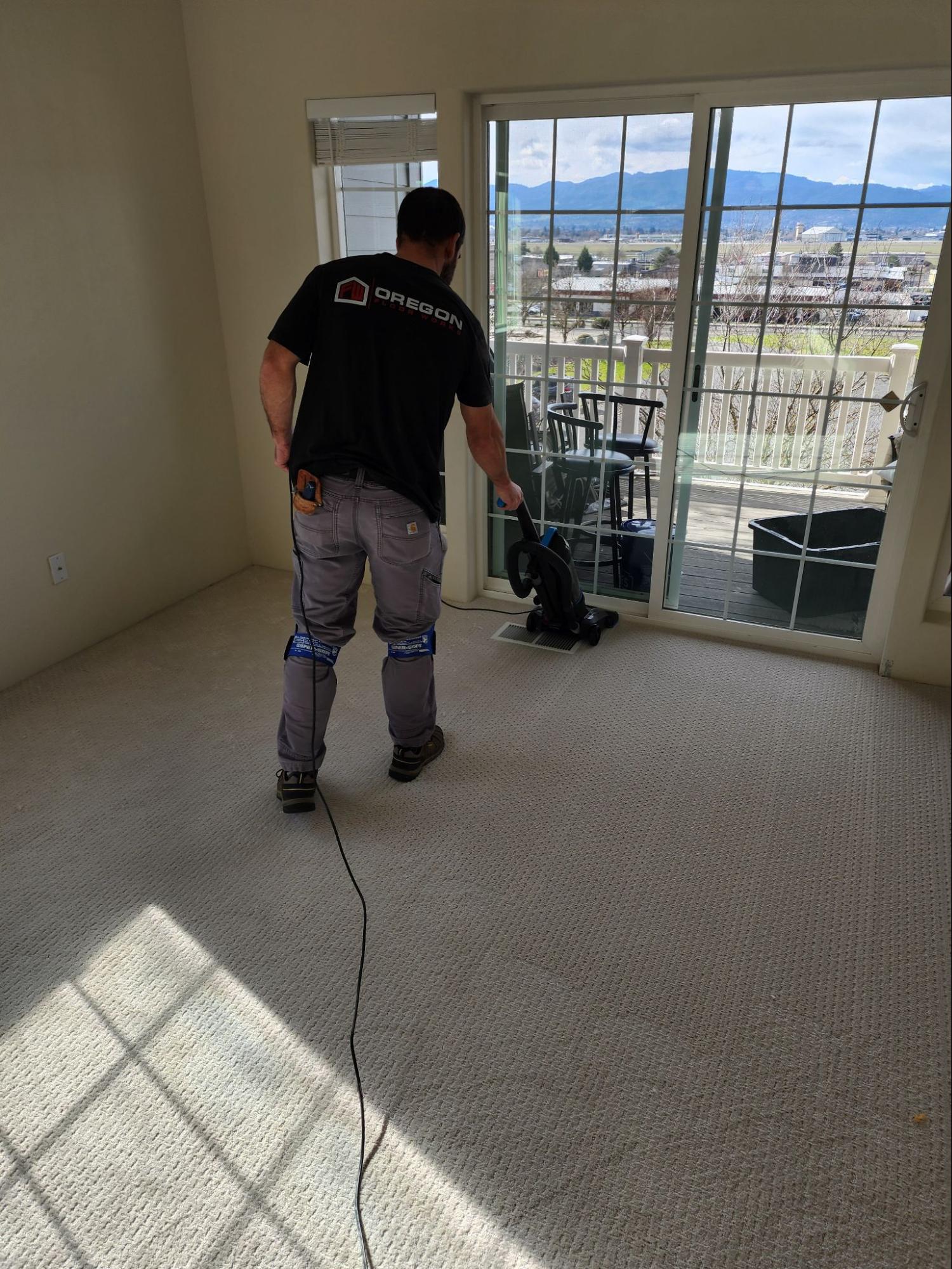
At Oregon Floor Works, we help homeowners throughout Medford and Jackson County select and install flooring that complements their homes and lifestyles. Whether you’re interested in natural fibers, recycled carpet materials, or durable options designed for long-term use, our team can help you compare products and choose an appropriate solution.
Explore our professional carpet flooring services to learn more about available installation options. With thoughtful material selection, careful installation, and consistent maintenance, you can create a comfortable home while making more informed decisions about your flooring’s environmental impact.