
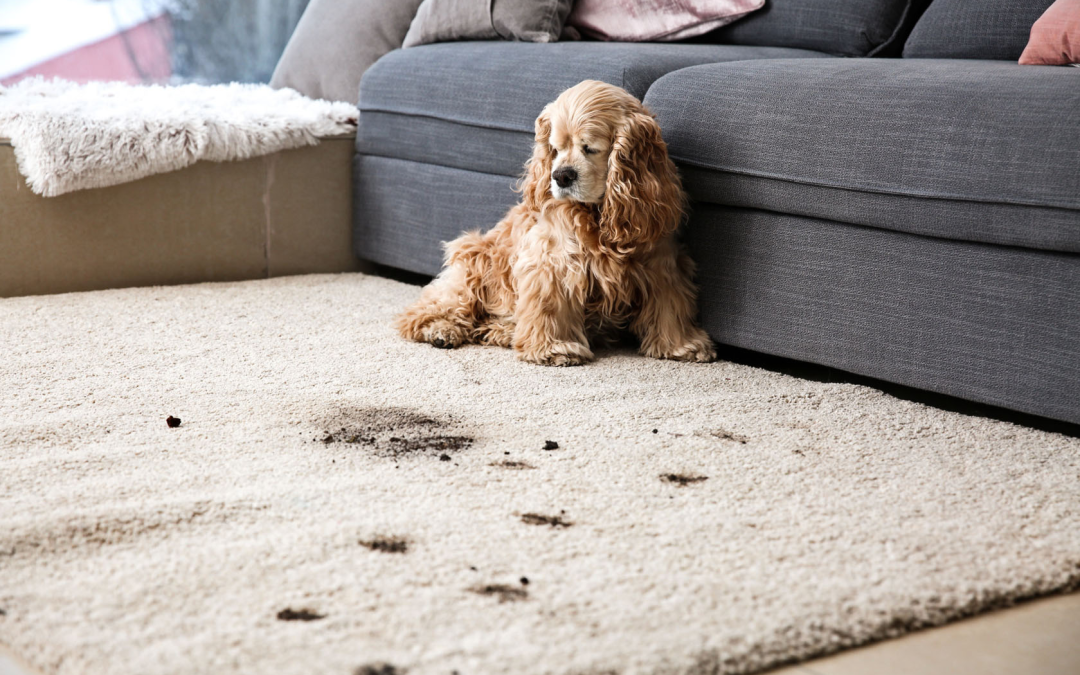
Spills and accidents are part of everyday life, especially in households with children, pets, and busy living spaces. Whether you’re dealing with a glass of red wine, a pet accident, or a dropped piece of chocolate, knowing how to remove stains from carpet can help prevent permanent discoloration and unnecessary damage.
Different stains require different cleaning methods, and using the wrong product can sometimes make the problem worse. Acting quickly, choosing a carpet-compatible solution, and avoiding excessive moisture are important steps toward successful stain removal.
This guide covers six methods for removing common carpet stains, including household cleaning solutions and professional stain-removal products.
For more guidance on preventing stains, establishing cleaning routines, and protecting your flooring over time, explore our Ultimate Guide to Carpet Maintenance and Longevity. It covers everyday carpet care, seasonal maintenance, and practical ways to extend the life of your flooring.
A note from the owner: Liquid spills can travel through carpet fibers and soak into the padding underneath. Once moisture reaches the padding, thoroughly cleaning the affected area becomes much more difficult. For this reason, Oregon Floor Works recommends considering carpet padding with a moisture barrier or carpeting with moisture-resistant backing to help protect the flooring beneath.
Understanding Different Types of Carpet Stains
Not all carpet stains behave the same way. Some involve water-based liquids that can be absorbed quickly, while others contain oils, dyes, or pigments that are more difficult to remove. Identifying what caused the stain helps you determine which cleaning approach is most appropriate.
The most common carpet stain categories include:
-
Organic Stains: Food spills, beverages, and pet accidents can leave behind discoloration and odors. Some organic stains also contain proteins that respond better to specialized cleaning products.
-
Synthetic Stains: Ink, artificial dyes, and paint may contain pigments that bond with carpet fibers. These stains often require targeted cleaners rather than ordinary soap and water.
-
Oil-Based Stains: Grease, cosmetics, and cooking oils can cling to carpet fibers and resist water-based cleaning alone. A carpet-safe product designed to break down oily residue may be necessary.
The carpet material also influences how stains should be treated. Nylon, polyester, wool, and other fibers have different cleaning requirements, so always check the manufacturer’s recommendations before applying a new solution.
Preparation Before Stain Removal
The first few minutes after a spill can make a significant difference in how easily the stain comes out. Preparing the area correctly helps prevent the substance from spreading or moving deeper into the carpet.
Before applying a cleaning product, follow these three steps:
-
Blot, Don’t Rub: Use a clean white cloth or plain paper towel to absorb as much liquid as possible. Work from the outer edges toward the center, applying gentle pressure instead of scrubbing the fibers.
-
Test Cleaning Solutions: Apply a small amount of the cleaner to an inconspicuous area and check for discoloration, texture changes, or dye transfer. Even products labeled for carpet use may not be appropriate for every material.
-
Act Quickly: Remove spills as soon as possible to reduce the chance of permanent staining. If the substance has dried, carefully remove any solid residue before beginning the cleaning process.
Avoid saturating the affected area with water or cleaning products. Too much moisture can travel into the carpet backing and padding, creating additional problems that may require professional attention.
Method 1: Removing Wine Stains
Red wine can leave noticeable discoloration because it contains natural pigments that may penetrate carpet fibers. Prompt treatment helps reduce the amount of liquid absorbed into the flooring and makes stain removal more manageable.
Follow these steps to clean a fresh wine spill:
-
Blot the Stain: Press a clean white cloth against the affected area to absorb as much wine as possible. Replace the cloth as it becomes saturated to avoid transferring the liquid back into the carpet.
-
Apply a Cleaning Solution: Use a carpet-approved stain remover or, for compatible carpeting, a diluted mixture of one part white vinegar to two parts water. Apply a small amount to a cloth rather than soaking the carpet.
-
Blot Again: Gently work from the outside of the stain toward the center, lifting the wine into the cloth. Repeat with a clean section of fabric as needed.
-
Rinse with Water: Lightly dampen another clean cloth with water and blot the area to remove remaining cleaning solution. Avoid excessive moisture that could reach the carpet padding.
-
Dry the Area: Place a dry absorbent towel over the cleaned section and apply gentle pressure. Allow the carpet to dry completely before returning furniture or walking heavily on the area.
Quick Tip: A carpet-safe wine stain remover may be more effective for stubborn discoloration. Avoid experimenting with multiple household cleaning products, particularly on wool or specialty carpeting.
Method 2: Removing Pet Stains
Pet accidents can create two separate problems: visible staining and lingering odors. Urine may penetrate the carpet backing and padding, making it important to address the affected area before the liquid spreads.
Enzymatic cleaners are often useful because they’re formulated to break down organic substances associated with pet stains and odors.
Here’s how to treat a fresh pet accident:
-
Blot the Stain: Use paper towels or a clean absorbent cloth to remove as much urine as possible. Press gently without rubbing, and replace the towels until they’re no longer absorbing significant moisture.
-
Apply an Enzymatic Cleaner: Select a product labeled for pet urine and compatible with your carpet material. Apply it according to the manufacturer’s directions, allowing the recommended contact time for the enzymes to work.
-
Blot and Rinse: Follow the product’s instructions for removing residue. Some enzymatic treatments require extended contact time, while others recommend light rinsing or blotting after treatment.
-
Dry Thoroughly: Use clean towels to absorb excess moisture and allow the carpet to dry with adequate ventilation. Keep pets and children away from the treated area until the product instructions indicate it’s safe.
Did You Know? Enzymatic cleaners target organic compounds that contribute to pet odors rather than simply covering smells with fragrance. However, when urine has soaked deeply into the carpet padding or subfloor, surface cleaning alone may not eliminate the problem.
For repeated accidents or persistent odors, professional evaluation may be necessary to determine whether the underlying materials require additional treatment or replacement.
Method 3: Removing Ink Stains
Ink stains can be particularly frustrating because their pigments and solvents may spread quickly through carpet fibers. Ballpoint pen ink, permanent markers, and printer ink have different formulations, so no single treatment works for every stain.
Some ink stains respond to carefully applied rubbing alcohol, but the product must be compatible with the carpet material and backing.
Try the following approach:
-
Blot the Stain: Gently blot fresh ink with a clean white cloth to remove any excess liquid. Avoid rubbing, which can spread the ink across a larger section of carpet.
-
Apply Isopropyl Alcohol: If permitted by the carpet manufacturer, apply a small amount of 70% isopropyl alcohol to a clean cloth or cotton ball. Dab the stained fibers carefully without pouring alcohol directly onto the carpet.
-
Blot and Repeat: Transfer the ink onto a clean section of the cloth, repeating the process as long as the stain continues to lift. Stop if the carpet’s color begins transferring or the fibers show signs of damage.
-
Rinse with Water: Use a lightly dampened cloth to remove remaining cleaning residue, following the carpet manufacturer’s instructions.
-
Dry the Area: Press a dry towel against the treated section and allow the carpet to air dry completely.
Quick Tip: Avoid using excessive amounts of alcohol or other solvents. These products can damage certain carpet backings and adhesives if they penetrate too deeply. If the ink doesn’t respond to careful spot cleaning, consult a professional rather than increasing the strength or quantity of the solvent.
Method 4: Removing Chocolate Stains
Chocolate stains contain a combination of cocoa pigments, fats, and other ingredients that can cling to carpet fibers. Melted chocolate may spread into the pile, while dried chocolate can leave a crust that needs to be removed carefully.
For the best results, remove the excess chocolate before applying a cleaning solution.
Follow these steps:
-
Scrape Off Excess Chocolate: Use a spoon or dull knife to gently lift solid chocolate from the carpet surface. Work carefully to avoid pulling or damaging the fibers.
-
Blot the Stain: Lightly dampen a clean cloth with cool water and blot the affected area. Avoid soaking the carpet or rubbing melted chocolate deeper into the pile.
-
Apply a Cleaning Solution: For compatible carpeting, mix approximately 1/4 teaspoon of clear, bleach-free dishwashing liquid with one cup of lukewarm water. Apply a small amount using a clean cloth.
-
Blot and Repeat: Work gently from the edges toward the center, lifting the chocolate residue into the cloth. Repeat as needed without applying excessive cleaning solution.
-
Rinse with Water: Use a separate cloth lightly dampened with clean water to remove soap residue. Leftover detergent can attract dirt and make the area appear soiled again.
-
Dry the Area: Press a clean, dry towel over the treated section to absorb moisture. Allow the carpet to dry thoroughly before using the area normally.
Did You Know? Chocolate contains both fats and colored compounds, which is why one cleaning method may not remove every part of the stain. If a greasy mark remains after the initial treatment, a carpet-approved cleaner designed for oily residue may be more effective.
Avoid applying excessive heat to the stain, as it can soften remaining chocolate and make the mess harder to control.
Method 5: Removing Kool-Aid Stains
Kool-Aid and other brightly colored beverages can leave difficult stains because they often contain concentrated artificial dyes. These pigments may bond with carpet fibers, particularly when a spill isn’t cleaned promptly.
Removing the liquid quickly provides the best opportunity to reduce discoloration. However, some dye stains may require specialized products or professional treatment.
Here’s how to approach a fresh Kool-Aid spill:
-
Blot the Stain: Use a clean white cloth to absorb as much of the beverage as possible. Start at the outer edge and work toward the center to prevent spreading.
-
Apply a Vinegar Solution: If compatible with your carpet, lightly apply a mixture of one part white vinegar and two parts water using a clean cloth. Test the solution first because acidic ingredients may affect some carpet fibers or dyes.
-
Blot Again: Gently blot the stained section, transferring as much color as possible onto a clean cloth. Repeat only while the stain continues to lift.
-
Apply a Dish Soap Solution: If discoloration remains, first remove the previous cleaning solution with a light water rinse. Then apply a small amount of diluted, bleach-free dishwashing liquid to a cloth and gently treat the stain.
-
Blot and Rinse: Continue blotting without scrubbing, then use a lightly dampened cloth to remove detergent residue. Avoid combining multiple cleaning chemicals directly on the carpet.
-
Dry the Area: Absorb remaining moisture with a clean towel and allow the carpet to dry completely.
Quick Tip: Artificial dye stains can be difficult to remove with ordinary household products. If the color remains after careful cleaning, consider a carpet-safe dye stain remover or professional service rather than applying stronger chemicals such as ammonia or bleach.
Some permanent dye stains may not be completely removable without specialized treatment, particularly when they have been allowed to dry.
Method 6: Professional Products for Stain Removal
Household cleaning methods can help with many everyday spills, but certain stains require products formulated specifically for carpet fibers. Professional-grade and specialty stain removers may provide better results for stubborn discoloration, pet accidents, and deeply embedded residue.
The right product depends on what caused the stain and the type of carpet being treated.
Here are three common carpet stain-removal products to consider:
-
Carpet Stain Removers: Products such as Folex Instant Carpet Spot Remover are designed to treat a variety of common household stains. These cleaners can be useful for localized spills when applied according to the product instructions and carpet manufacturer’s recommendations.
-
Enzymatic Cleaners: Products such as Rocco & Roxie Professional Strength Stain & Odor Eliminator are formulated for organic stains, including pet accidents. Enzymatic treatments may help break down odor-producing substances that regular cleaning solutions leave behind.
-
Oxygen-Based Cleaners: Products such as OxiClean Carpet & Area Rug Stain Remover use oxygen-based cleaning ingredients to help address certain colored stains. Always confirm compatibility before use, since some carpet fibers and dyes can be affected by oxidizing ingredients.
When selecting a product, look for cleaners appropriate for your carpet’s construction and follow all dilution, application, and drying instructions. Using too much cleaning solution can leave residue behind or introduce moisture into the carpet backing.
External Link: For additional product comparisons, explore Good Housekeeping’s review of carpet stain removers. The guide compares products designed for different stain types and cleaning needs.
If several cleaning attempts haven’t improved the stain, professional carpet cleaning may be the better option. Experienced technicians can evaluate the material and determine whether specialized treatment is likely to help.
Quick Tips and FAQs
Quick Tips:
-
Blot, Don’t Rub: Use a clean white cloth to absorb spills rather than scrubbing the fibers. Gentle blotting helps prevent stains from spreading and reduces the risk of damaging the carpet’s texture.
-
Act Fast: Address spills as soon as possible to limit how deeply the substance penetrates the flooring. Prompt cleanup is particularly important for colored beverages, pet accidents, and oily materials.
FAQs:
Q: Can I use bleach to remove carpet stains?
A: Household chlorine bleach generally isn’t recommended for carpet stain removal because it can permanently discolor fibers and damage certain materials. Instead, choose a carpet-compatible cleaning product designed for the type of stain you’re treating. Always check the manufacturer’s instructions before using any oxidizing cleaner.
Q: How often should I deep clean my carpet?
A: Many carpet manufacturers recommend professional deep cleaning approximately every 12 to 18 months, although the ideal schedule depends on traffic levels, pets, and household activity. Frequently used areas may require more regular attention, especially when visible dirt or staining develops. Follow your carpet manufacturer’s warranty and maintenance requirements.
Q: Are homemade cleaning solutions effective?
A: Some homemade solutions can help remove specific carpet stains when used correctly. Diluted dish soap, water, and certain other household ingredients may be appropriate for compatible fibers, but they aren’t universally safe or effective. For stubborn stains, a carpet-specific product or professional treatment may provide more reliable results.
Conclusion
Removing carpet stains successfully starts with understanding what caused the discoloration and choosing an appropriate cleaning method. Whether you’re dealing with wine, pet urine, ink, chocolate, or brightly colored beverages, prompt attention and careful blotting can improve your chances of removing the stain.
Always test unfamiliar cleaning products before using them on visible carpeting, and avoid applying excessive moisture or mixing cleaning chemicals. These precautions help protect the carpet fibers, backing, and padding while reducing the risk of additional damage.
Carpet cleaning technology and professional treatment methods continue to evolve, providing homeowners with more options for addressing difficult stains. Professional carpet cleaners have access to specialized equipment and techniques that may be appropriate when household methods don’t achieve the desired results.
For additional carpet care guidance, explore our Daily Carpet Care Tips and Seasonal Carpet Maintenance Tips. Both articles offer practical recommendations for reducing everyday dirt, preventing stains, and keeping carpeting in good condition.
At Oregon Floor Works, we help homeowners throughout Medford and Jackson County select and install carpeting suited to their lifestyles. If your existing carpet has extensive staining or damage that cleaning can no longer correct, our team can help you explore replacement options.
Contact Oregon Floor Works to learn more about professional carpet flooring services and find the right solution for your home.