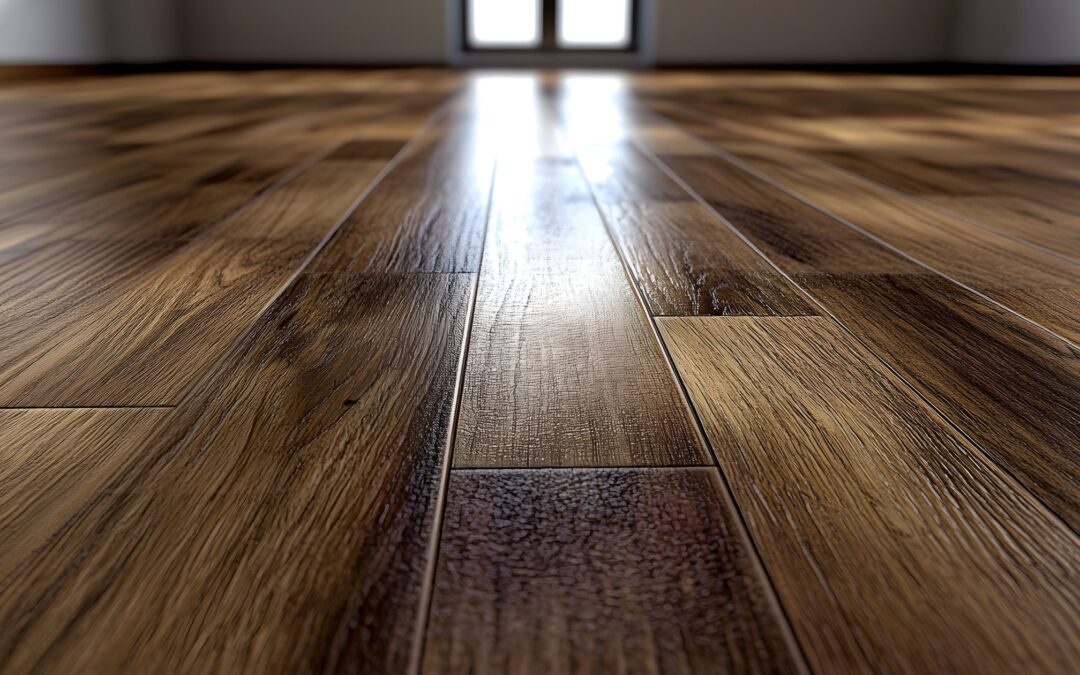
Homeowners face a significant decision when selecting new floors for their homes. The debate between vinyl vs hardwood flooring remains one of the most common conversations in the flooring industry. Each option brings distinct advantages, challenges, and aesthetic qualities that suit different lifestyles and budgets.
Understanding the differences between these materials helps homeowners make informed choices. Both vinyl and hardwood have evolved significantly in recent years, with technological advances improving performance and expanding design possibilities. The right flooring depends on budget, lifestyle, room location, and long term goals for the home.
Understanding Hardwood Flooring
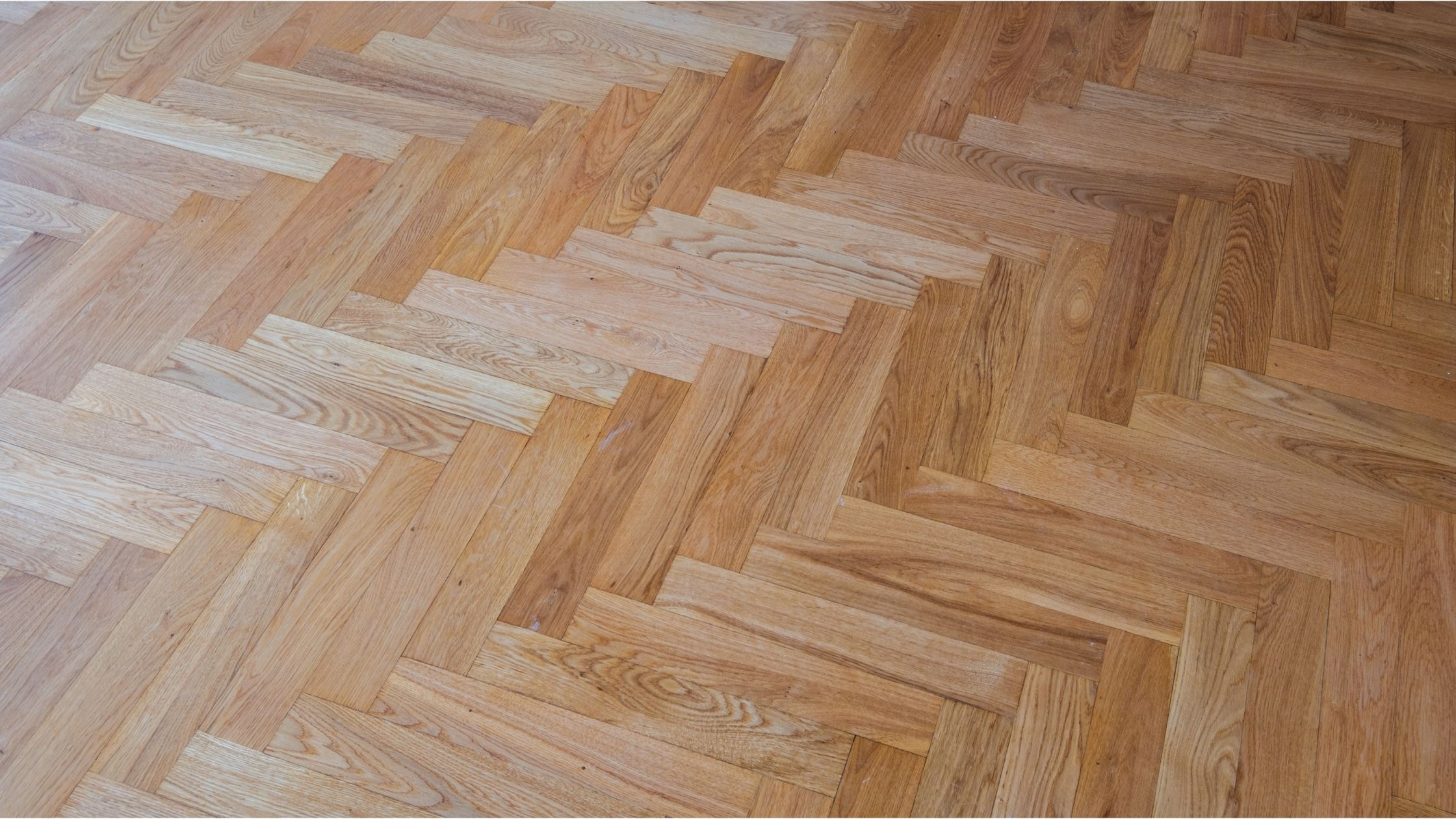
Hardwood flooring comes from solid wood or engineered hardwood products. Solid wood consists of planks milled from a single piece of timber. Engineered hardwood features a real wood veneer bonded to layers of plywood or high-density fiberboard. Both options deliver the natural beauty and warmth that only real wood provides.
Hardwood floor options span numerous species, colors, and grain patterns. Oak, maple, cherry, and walnut remain popular choices, each offering unique characteristics. The natural variations in wood grain ensure no two floors look identical, creating distinctive spaces that reflect personal taste.
The Appeal of Real Wood
Hardwood flooring adds timeless elegance to homes. The material develops character over time, with minor wear contributing to its lived-in charm. Homeowners can refinish hardwood floors multiple times throughout their lifespan, refreshing the appearance without replacing the entire floor. This capability makes hardwood a long term investment that adapts to changing design preferences.
Real hardwood responds to environmental conditions. The material expands and contracts with humidity changes, which requires acclimation before installation and regular maintenance to preserve its condition. Proper care includes controlling indoor humidity levels and addressing spills promptly to prevent moisture damage.
Did you know? Hardwood floors can last over 100 years with proper care and periodic refinishing, making them one of the most sustainable flooring choices available when considering their complete lifecycle.
Exploring Vinyl Flooring Options
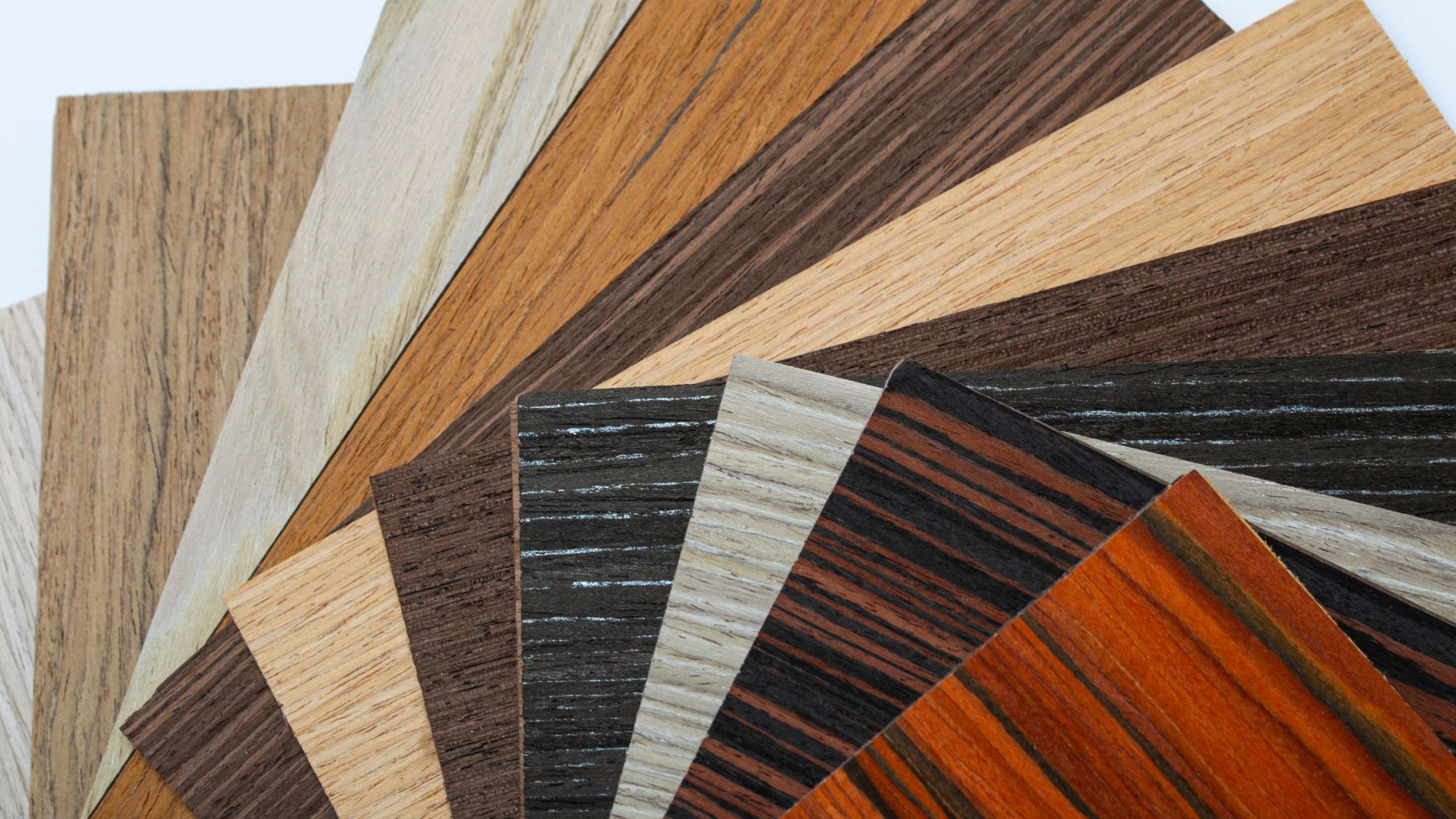
Vinyl floors consist of synthetic materials designed to mimic natural wood, stone, and other surfaces. The material contains polyvinyl chloride (PVC resin) combined with plasticizers, stabilizers, and pigments. Modern manufacturing techniques create realistic textures and patterns that challenge perceptions about synthetic flooring.
Luxury vinyl flooring represents the premium category within vinyl products. These options feature enhanced wear layers, superior graphics, and improved core materials that deliver better performance than basic sheet vinyl. Luxury vinyl plank and luxury vinyl tile formats offer installation flexibility and authentic appearances.
How Vinyl Floors Are Constructed
Vinyl planks contain several layers that work together to provide durability and aesthetics. The wear layer protects against scratches, stains, and fading. The design layer holds the printed pattern that replicates wood or stone. The core material provides structural stability. Some products include a backing layer for additional cushioning and sound absorption.
The top layer thickness directly impacts longevity. Thicker wear layers withstand more traffic and maintain their appearance longer. Products designed for residential use typically feature wear layers between 12 and 20 mil, while commercial-grade options exceed 20 mil.
Vinyl plank flooring comes in various formats. Click-lock systems allow floating installation over existing floors. Glue-down products bond directly to the subfloor for maximum stability. Some options feature peel and stick backing for simple DIY installation.
Hardwood vs Vinyl: Durability Comparison
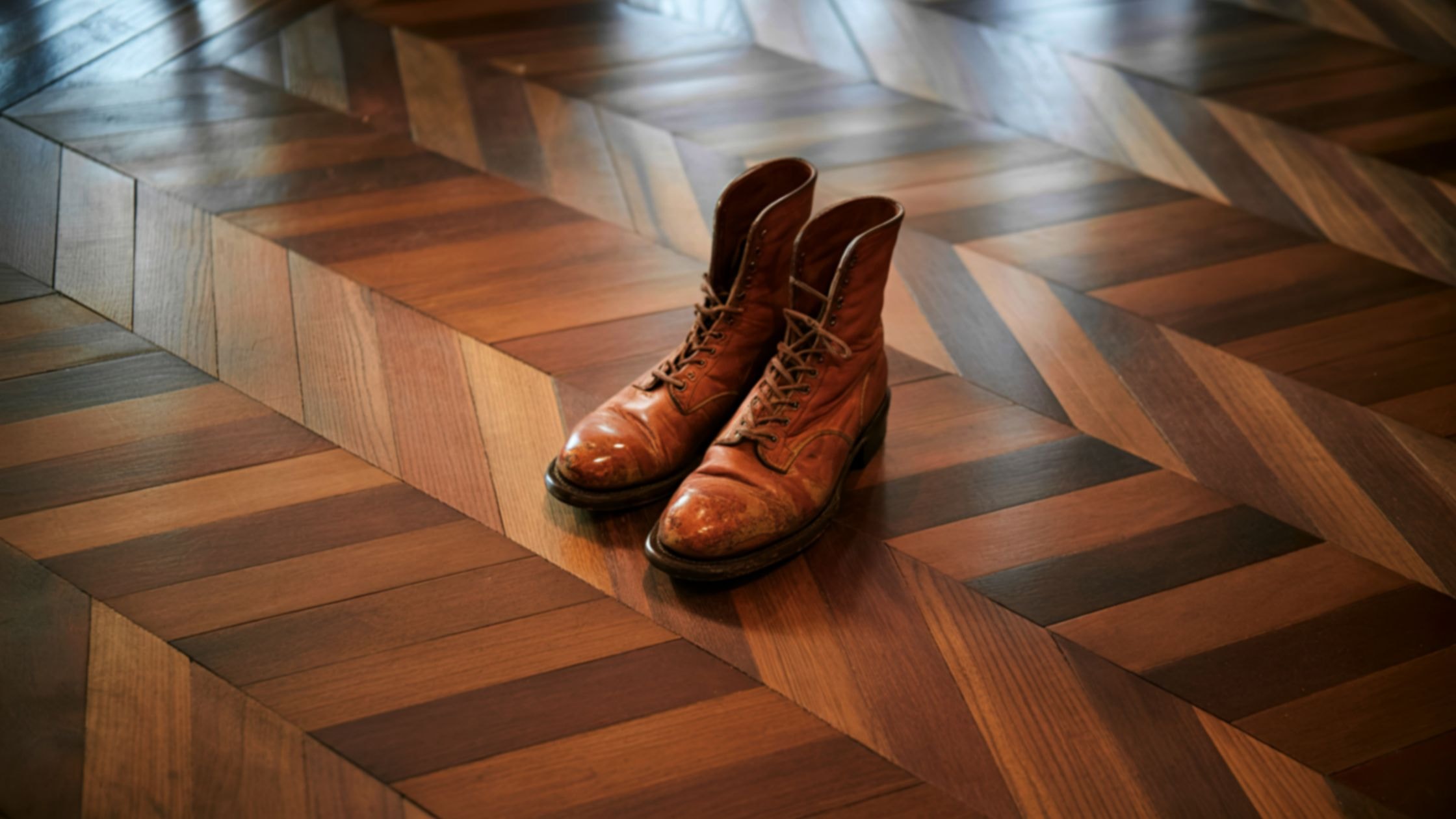
Durability hardwood floors depends on species, finish, and maintenance. Harder woods like oak and maple resist denting better than softer species like pine. Surface finishes protect against moisture and wear, with polyurethane coatings providing robust protection. Despite their strength, hardwood floors show scratches from pet claws, furniture movement, and high heels.
Vinyl floors deliver incredibly durable performance in high-traffic areas. The material resists scratches, dents, and stains more effectively than hardwood. Dropped objects rarely cause damage to vinyl surfaces. The synthetic construction maintains its appearance without the regular maintenance that hardwood requires.
Quick tip: Place felt pads under furniture legs on both hardwood and vinyl floors to prevent scratches and dents when moving pieces around rooms.
Water Resistance and Moisture Performance
Moisture resistance separates these flooring types dramatically. Hardwood floor surfaces cannot tolerate standing water or excessive moisture. Spills require immediate cleanup to prevent warping, cupping, and staining. This limitation makes hardwood unsuitable for bathrooms, laundries, and basements where moisture levels fluctuate.
Water resistant vinyl floors handle moisture exposure far better than hardwood. Most luxury vinyl products withstand spills, splashes, and humidity without damage. Some manufacturers offer fully waterproof options suitable for moisture prone areas and damp environments. This capability expands installation possibilities throughout the home.
Engineered hardwood offers moderate moisture resistance compared to solid wood. The layered construction provides more stability in humidity fluctuations, though it still requires caution around water. Engineered products work better than solid wood in basements and over concrete slabs, but they cannot match vinyl’s water resistance.
Installation Costs and Processes
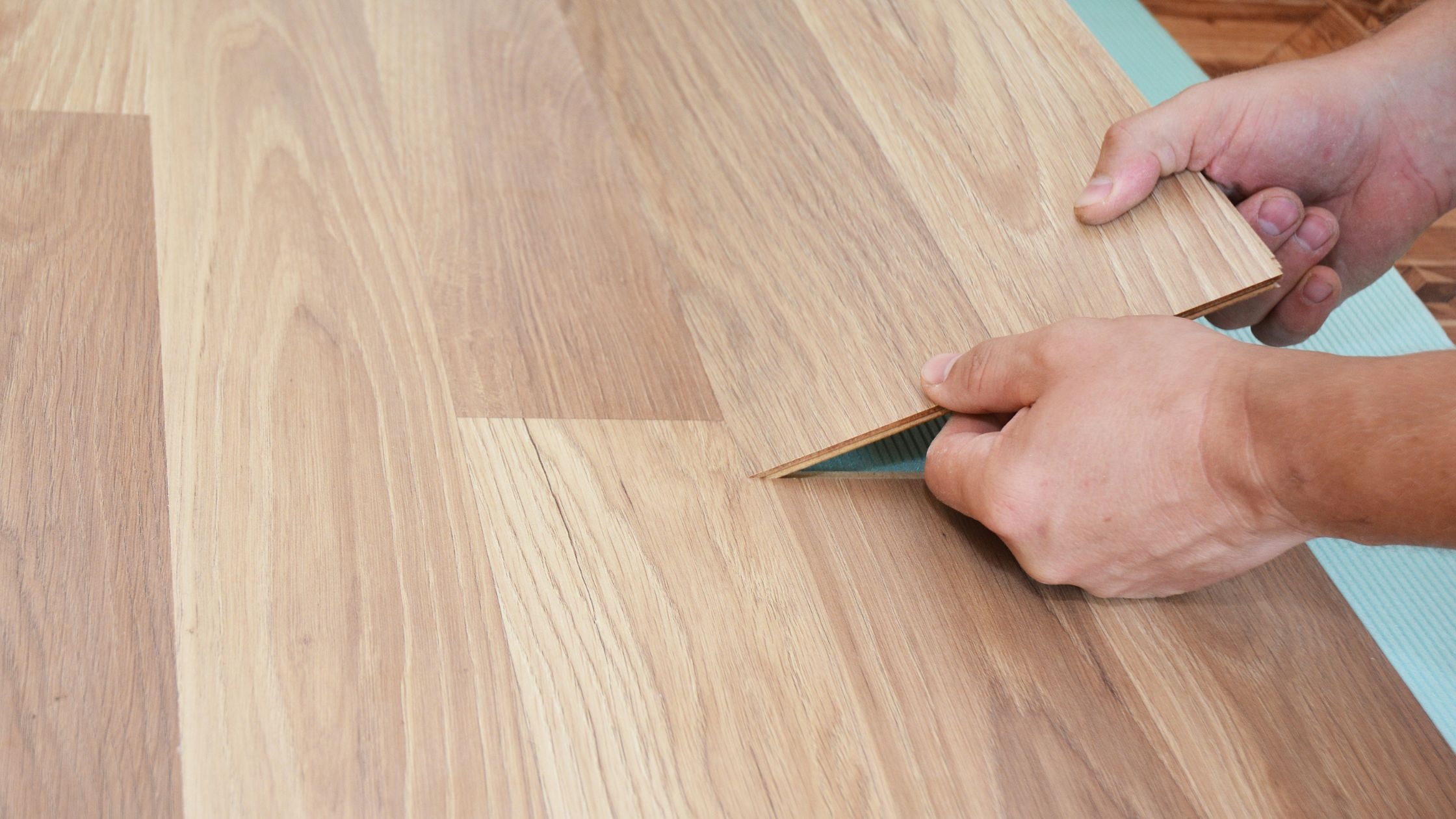
Installation costs vary significantly between these materials. Hardwood installation requires skilled labor, proper subfloor preparation, and acclimation time. Solid wood installation involves nailing or stapling planks to wooden subfloors. The process demands precision and experience to achieve professional results.
To install hardwood successfully, contractors must ensure flat, clean, dry subfloors. Any irregularities telegraph through the finished floor, creating uneven surfaces and squeaks. The material needs to acclimate to room conditions for several days before installation begins, extending project timelines.
Vinyl plank flooring installation proceeds more quickly and simply. Click-lock systems allow homeowners with basic skills to complete installations themselves. The material installs over various subfloor types without extensive preparation. Some products tolerate minor subfloor imperfections that would cause problems for hardwood.
Professional installation still provides benefits for vinyl floors, particularly in large spaces or complex layouts. Experienced installers ensure proper transitions, accurate cuts around obstacles, and optimal results. However, the budget friendly nature of vinyl extends to installation, with labor costs typically running lower than hardwood installation costs.
Comparing Long Term Value
Hardwood flooring adds more value to homes than vinyl alternatives. Real estate professionals recognize hardwood as a premium feature that attracts buyers and justifies higher asking prices. The material’s refinishing capability means it retains beauty and function for decades, supporting its reputation as a long term investment.
Resale value considerations favor hardwood in most markets. Buyers perceive hardwood floors as desirable, quality features worth paying extra to obtain. The natural material conveys permanence and craftsmanship that synthetic alternatives cannot match, regardless of how realistic vinyl products appear.
Vinyl floors offer excellent value for homeowners focused on immediate needs rather than long term resale. The lower upfront costs, easier installation, and minimal maintenance requirements make vinyl an attractive option for budget-conscious buyers. While vinyl may not add the same level of resale value as hardwood, it provides practical benefits that suit many lifestyles.
For comprehensive guidance on installation considerations for various flooring types, homeowners can explore resources on flooring installation that cover preparation, techniques, and best practices.
Maintenance Requirements
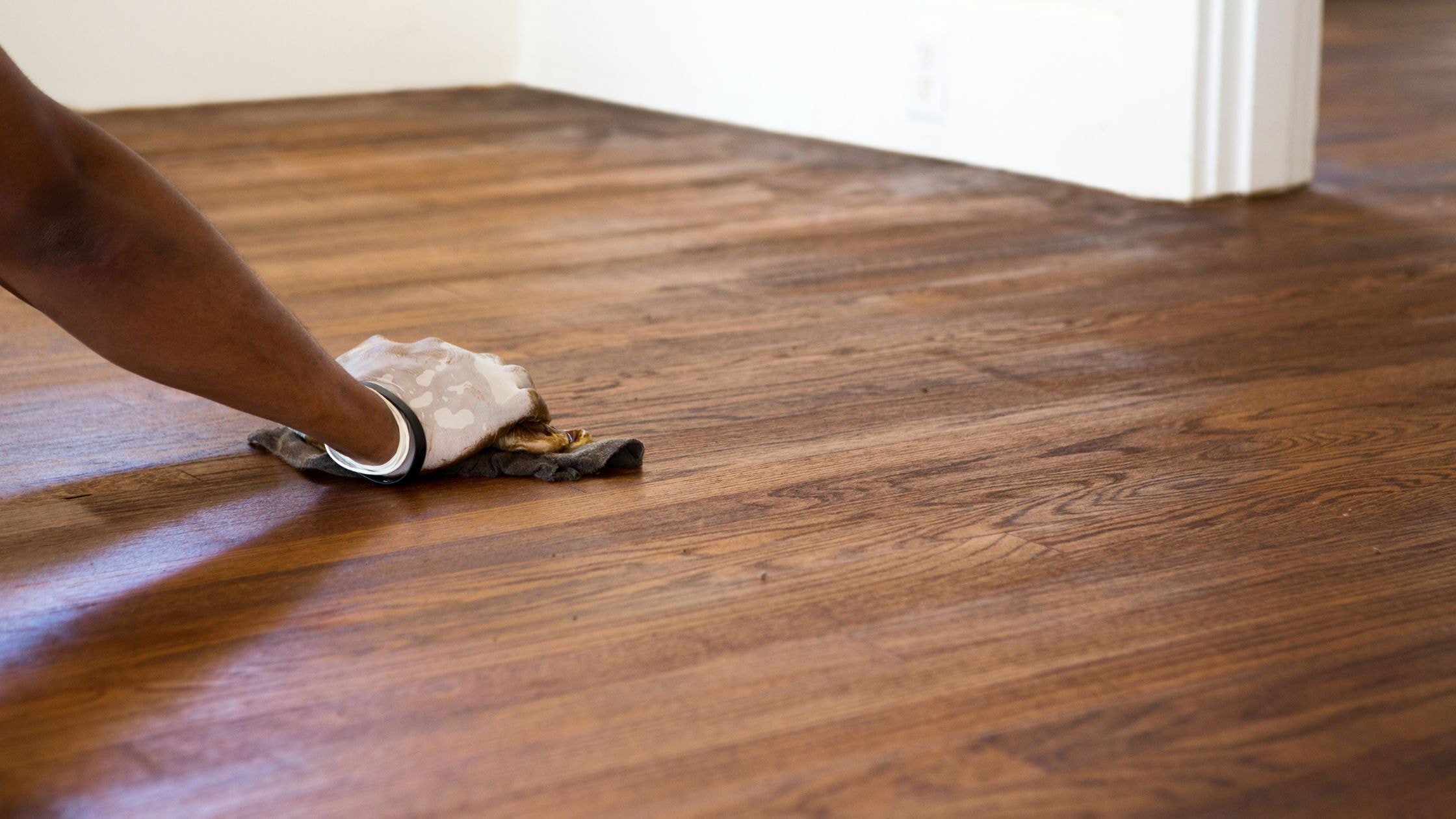
Regular maintenance keeps both flooring types looking their best, though the requirements differ substantially. Hardwood floors need sweeping or vacuuming to remove dirt and debris that can scratch surfaces. Damp mopping with hardwood-specific cleaners maintains shine without damaging the finish. Periodic refinishing removes surface wear and restores original beauty.
Hardwood flooring requires more maintenance attention than vinyl. Owners must monitor humidity levels, address spills immediately, and use protective mats in high-traffic areas. Refinishing every 7-10 years helps hardwood maintain its appearance, though this service adds to ownership costs.
Vinyl floors demand minimal upkeep. Regular sweeping and occasional mopping with mild cleaners keep surfaces clean. The material resists stains and moisture, eliminating many maintenance concerns associated with natural wood. Vinyl never requires refinishing, sanding, or special treatments to maintain its appearance.
Did you know? Engineered hardwood can typically be refinished 1-3 times depending on the veneer thickness, while solid hardwood can be refinished 5-10 times throughout its life.
Environmental Impact Considerations
The environmental impact of flooring choices matters to many homeowners. Hardwood comes from natural wood harvested from forests. Sustainably managed forests provide renewable resources when harvesting practices support regeneration. Certifications from organizations like the Forest Stewardship Council verify responsible forestry practices.
Real wood floors contribute to healthier indoor air quality when finished with low-VOC products. The material does not off-gas volatile organic compounds at the same level as some synthetic materials. Hardwood’s longevity and refinishing capability reduce waste by eliminating the need for complete replacement.
Vinyl production involves synthetic materials derived from petroleum products. The manufacturing process consumes energy and produces emissions. However, some manufacturers now offer environmentally friendly vinyl options made with recycled content and reduced chemical additives. These products minimize environmental footprint while maintaining performance characteristics.
Sheet vinyl and basic vinyl products may release volatile organic compounds during and after installation. Premium luxury vinyl products increasingly feature low-VOC formulations that improve indoor air quality. Homeowners concerned about chemicals should seek products certified by third-party testing organizations.
Design Flexibility and Aesthetics
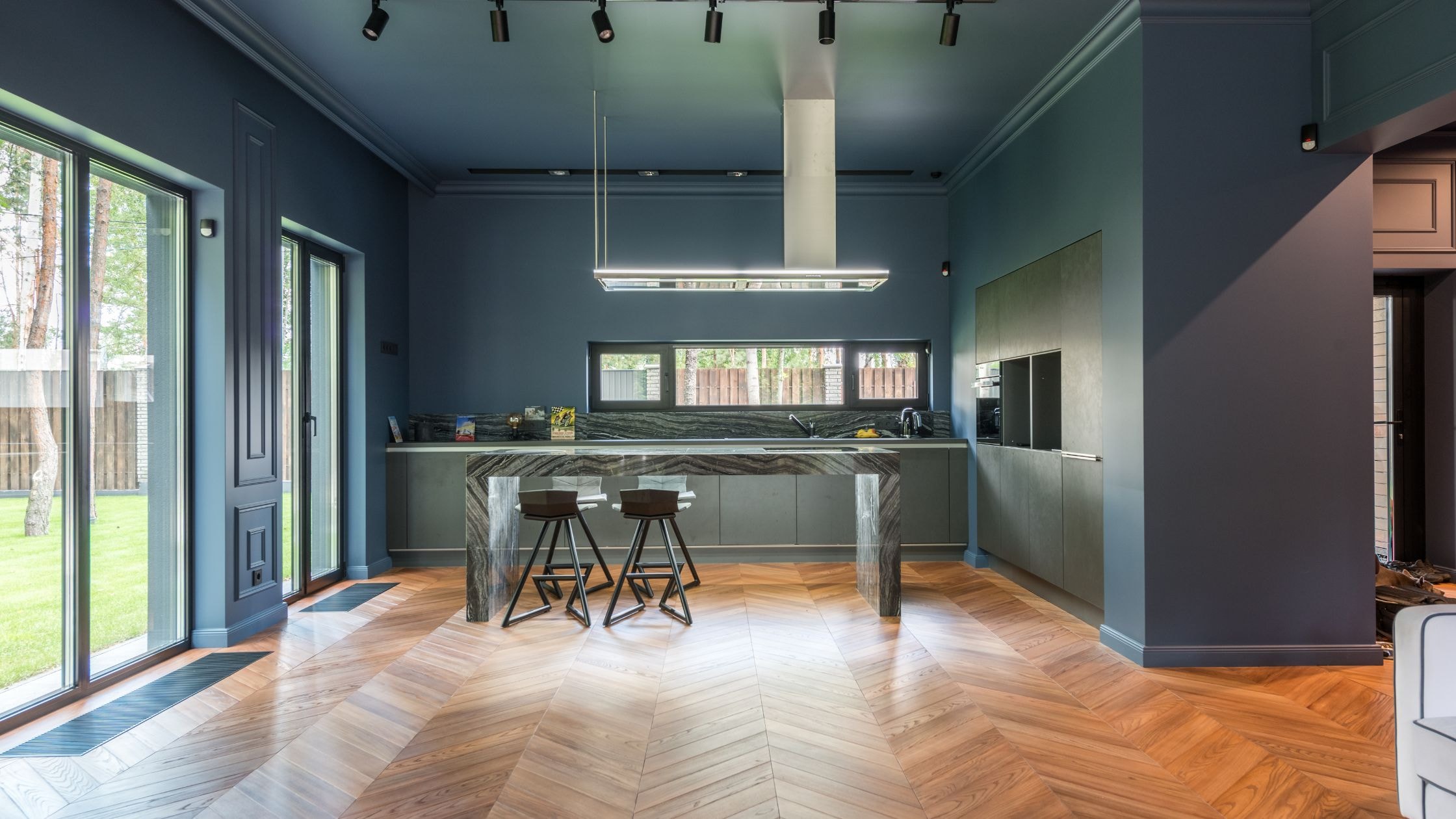
Hardwood delivers authentic natural beauty that appeals to traditional and contemporary design sensibilities. The genuine texture, grain patterns, and color variations create warmth and character. Wood flooring coordinates with virtually any decor style, from rustic farmhouse to sleek modern.
Customization options for hardwood include species selection, stain colors, plank widths, and finish types. Wider planks create contemporary looks, while narrow strips suit traditional spaces. Matte finishes offer understated elegance, while glossy surfaces provide dramatic impact. The variety allows personalization that reflects individual style.
Vinyl planks replicate wood appearances with remarkable accuracy. Advanced printing and embossing technologies capture grain details, knots, and color variations. From a distance, quality vinyl products deliver a similar aesthetic to real hardwood. However, closer inspection reveals the repeated patterns and uniform textures inherent in manufactured products.
Luxury vinyl flooring offers extensive design choices spanning various wood species, stone looks, and creative patterns. The material provides consistent appearance without natural variations, which some homeowners prefer for uniform aesthetics. Color and pattern consistency ensures matching replacement pieces remain available if damage occurs.
Room-by-Room Application Guide
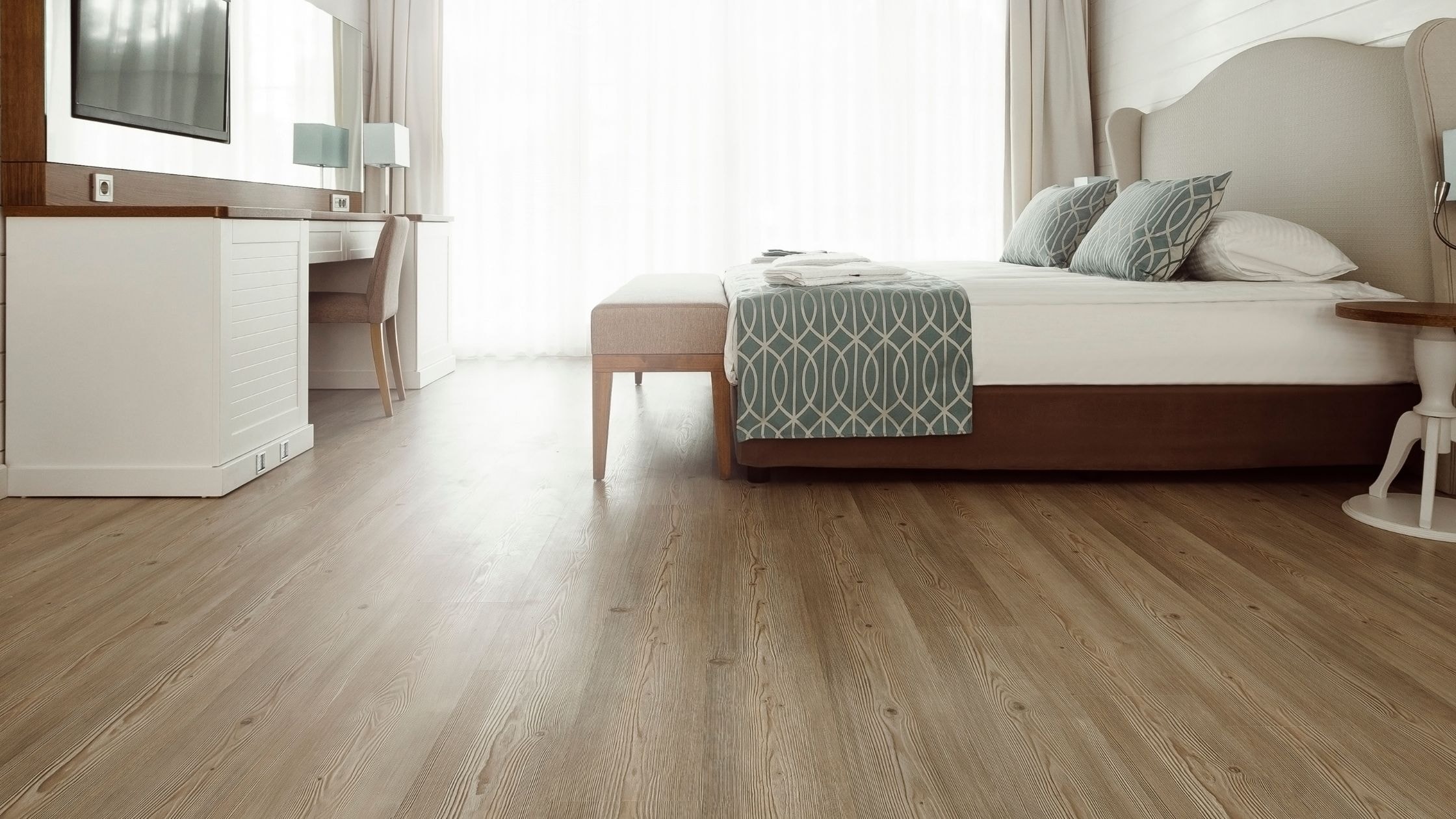
Certain rooms favor one flooring type over the other based on moisture levels, traffic patterns, and functional requirements. Living rooms, dining rooms, and bedrooms suit both hardwood and vinyl, with the choice depending on budget and aesthetic preferences. These spaces benefit from hardwood’s natural warmth or vinyl’s practical performance.
Kitchens present challenges for hardwood due to water exposure from sinks, appliances, and spills. Many homeowners still choose hardwood for kitchens, accepting the maintenance requirements for desired aesthetics. Vinyl offers a suitable choice for kitchens, providing water resistance and easy cleanup without sacrificing style.
Bathrooms, laundries, and mudrooms require moisture-resistant flooring. Vinyl excels in these damp environments, handling humidity and water exposure without damage. Hardwood should be avoided in these locations unless homeowners commit to meticulous moisture management. Even engineered hardwood faces challenges in consistently wet areas.
Basements often have concrete subfloors and higher humidity levels. Vinyl installs directly over concrete and tolerates moisture better than hardwood. Engineered hardwood can work in basements with proper moisture barriers and climate control, though vinyl remains the more practical and budget friendly option.
Cost Comparison Per Square Foot
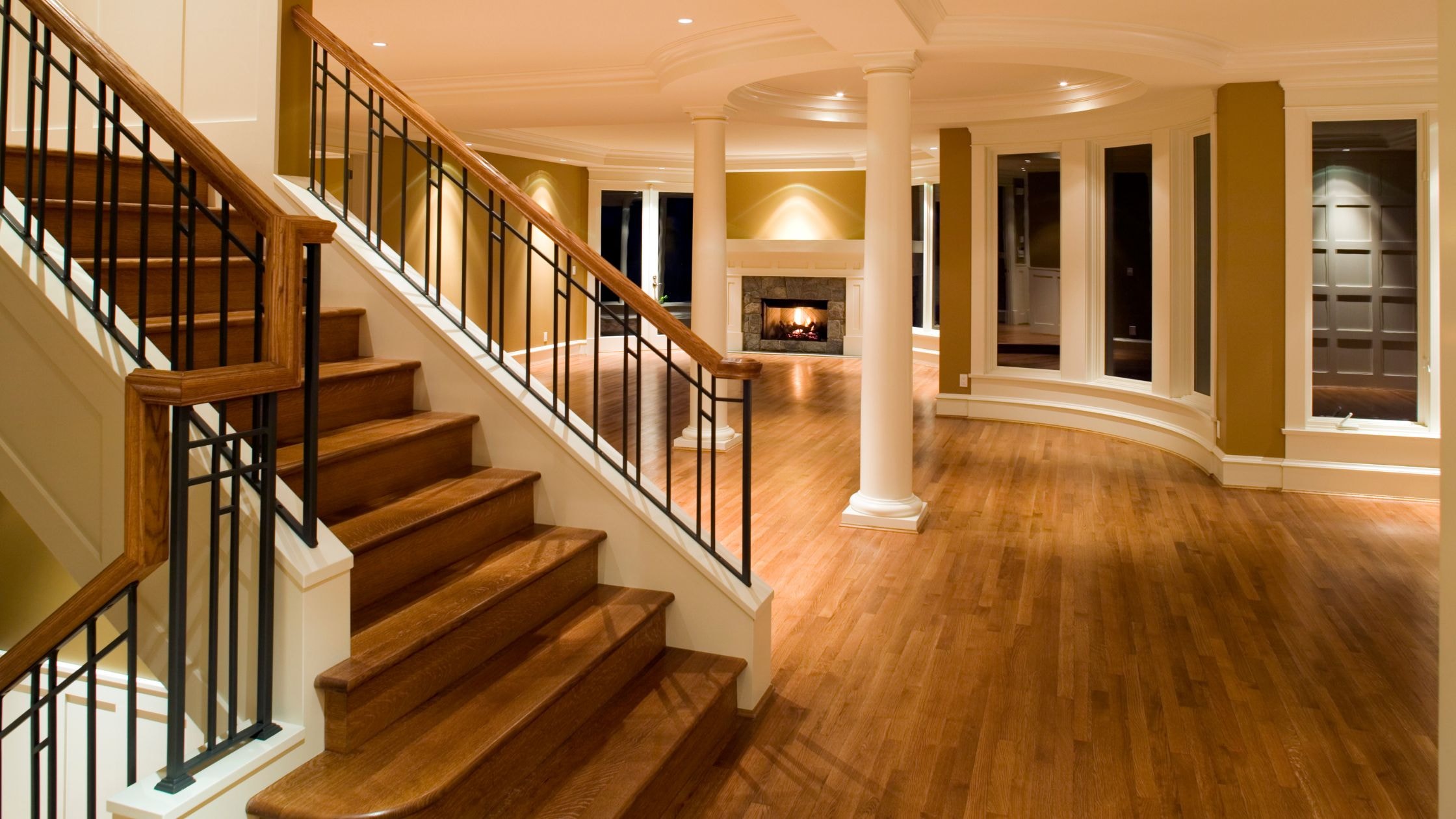
Price represents just one factor in flooring decisions, but budget constraints affect choices significantly. Hardwood flooring costs vary based on species, grade, and finish. Domestic hardwoods like oak typically cost less per square foot than exotic species. Installation costs add substantially to total project expenses.
Engineered hardwood generally costs less per square foot than solid wood while offering similar aesthetics. The product provides a middle ground between vinyl affordability and solid hardwood prestige. Engineered options work well for homeowners seeking real wood appearance at moderate prices.
Vinyl floors deliver the most budget friendly option among these materials. Basic vinyl products cost considerably less per square foot than any hardwood option. Luxury vinyl plank products cost more than basic vinyl but still undercut hardwood prices significantly. The combination of material and installation costs makes vinyl attractive for whole-home projects.
Homeowners comparing different synthetic options may benefit from understanding distinctions between various products. Resources exploring laminate vs. vinyl flooring help clarify differences in construction, performance, and value.
According to the National Wood Flooring Association, proper installation and finishing of hardwood floors creates healthy indoor environments that contribute to overall home comfort and air quality.
Frequently Asked Questions
Which lasts longer, vinyl or hardwood flooring?
Hardwood floor surfaces last longer with proper maintenance and refinishing. Solid wood can serve homes for 100 years or more. Vinyl floors typically last 10-20 years before replacement becomes necessary. While vinyl offers incredibly durable performance during its lifespan, it cannot be refinished like hardwood.
Does vinyl flooring look as good as real hardwood?
Luxury vinyl plank products replicate wood appearances convincingly from normal viewing distances. The material captures grain patterns and color variations effectively. However, closer inspection reveals differences in texture and the absence of natural wood characteristics. Quality vinyl delivers a similar aesthetic that satisfies many homeowners.
Can you install hardwood in moisture prone areas?
Hardwood should not be installed in consistently damp environments like bathrooms and laundries. The material suffers moisture damage from standing water and high humidity. Engineered hardwood tolerates slightly more moisture than solid wood but still requires careful management. Vinyl provides the better choice for moisture prone areas.
Which flooring type adds more value to homes?
Real hardwood adds more value and appeals to buyers more than vinyl alternatives. The material enhances resale value and attracts premium offers. Hardwood flooring adds perceived quality and permanence that synthetic materials cannot match. However, vinyl provides excellent value for current occupants through lower costs and practical performance.
Is engineered hardwood better than vinyl?
Engineered hardwood offers real wood beauty with improved moisture resistance compared to solid wood. The product costs more than vinyl but less than solid hardwood. Vinyl provides superior water resistance and requires less maintenance. The better choice depends on priorities regarding aesthetics, budget, and room location.
How do installation costs compare?
Hardwood installation costs exceed vinyl installation costs due to material prices and labor requirements. Professional installation of hardwood demands specialized skills and equipment. Vinyl plank flooring installs more easily, with some products suitable for DIY projects. The cost difference extends beyond materials to include labor and preparation.
Can luxury vinyl floors be refinished like hardwood?
Vinyl cannot be refinished when the wear layer becomes worn or damaged. The entire floor requires replacement once it deteriorates beyond acceptable appearance. Hardwood floors can be sanded and refinished multiple times, effectively creating new surfaces. This capability gives hardwood significant long term value despite higher initial costs.
Which flooring type requires more maintenance?
Hardwood flooring requires more maintenance than vinyl floors. Wood needs humidity control, immediate spill cleanup, periodic refinishing, and careful handling to prevent scratches. Vinyl demands only regular sweeping and occasional mopping. The maintenance difference makes vinyl an attractive option for busy households.
Making the Right Choice for Your Home
Selecting between vinyl and hardwood flooring involves evaluating multiple factors beyond initial appearance. Budget constraints, room locations, lifestyle demands, and long term plans all influence the decision. Neither material proves universally superior—each excels in specific situations.
Hardwood delivers timeless natural beauty, long term value, and refinishing capability that appeals to homeowners viewing floors as permanent investments. The material suits formal spaces, adds resale value, and provides authentic warmth that synthetic materials approximate but cannot truly replicate.
Vinyl offers practical performance, moisture resistance, and budget friendly pricing that meets modern lifestyle needs. The material handles daily wear, resists water damage, and requires minimal maintenance. Advances in manufacturing create realistic appearances that satisfy aesthetic goals while delivering functional benefits.
Many homeowners discover that combining both materials throughout their homes provides optimal results. Hardwood in living spaces captures desired elegance. Vinyl in kitchens, bathrooms, and basements delivers worry-free performance. This strategic approach maximizes the strengths of each flooring type while managing costs and maintenance requirements effectively.