Vinyl flooring has come a long way from the basic patterns and finishes that once dominated residential interiors. Modern manufacturing techniques have made it possible to recreate the appearance of hardwood, natural stone, and other traditional flooring materials with impressive detail. For homeowners in Medford, OR, these improvements offer more ways to create attractive living spaces without the same maintenance requirements associated with certain natural materials.
Flooring trends have also evolved as homeowners explore different colors, textures, and design styles. While cool gray tones were popular for years, warmer wood-inspired finishes have gained attention. At the same time, bold patterns, environmentally conscious product choices, and realistic surface textures have expanded the possibilities for residential flooring.
These four design directions were already shaping flooring choices when this article was first published in 2023. They remain useful considerations when evaluating the appearance and performance of vinyl flooring for a remodel.
However, appearance is only one part of the decision. Sun exposure, moisture, indoor temperatures, and installation requirements can influence how well a floor performs over time. Understanding the advantages and limitations of each option helps homeowners choose flooring that works for their space.
Here are four vinyl flooring trends worth exploring for Medford homes, along with practical considerations that can help guide your next flooring project.
1. Classic Wood and Stone Looks Bring Timeless Style to Vinyl Flooring
One of the most appealing developments in vinyl flooring design is the ability to recreate traditional materials with increasingly realistic patterns. Hardwood and natural stone have long been popular choices for residential interiors, and modern vinyl offers ways to achieve similar visual effects with different maintenance requirements.
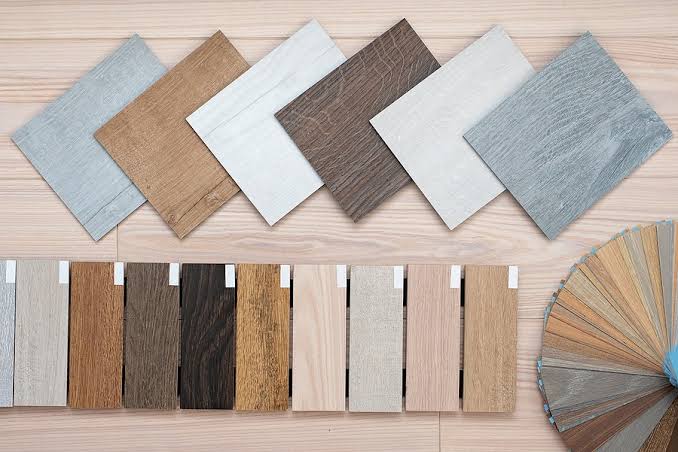
Wood-look luxury vinyl plank flooring is particularly versatile. Manufacturers produce planks that resemble oak, maple, walnut, and other hardwood species, complete with printed grain patterns and color variations. These designs can complement everything from rustic farmhouse interiors to traditional homes and contemporary living spaces.
Stone-look vinyl is another option for homeowners who appreciate the appearance of marble, slate, or natural tile. Luxury vinyl tile can replicate many of these surfaces, creating an attractive finish without necessarily requiring the same installation methods or routine care as natural stone.
Warmer Flooring Colors Are Replacing Some Cool Gray Designs
One noticeable shift in flooring preferences has been the movement away from the cool gray finishes that dominated many interior design trends.
Warmer, more natural-looking colors have become appealing alternatives. Honey-toned wood looks, medium browns, soft beige finishes, and natural oak-inspired patterns can create a welcoming atmosphere while coordinating with a variety of cabinet colors and furnishings.
For Medford homeowners, these classic designs offer flexibility when updating a room. A natural wood-look floor can complement existing finishes while providing a foundation for future decorating changes.
Choosing a timeless design can also reduce the likelihood of wanting to replace flooring simply because a particular color or pattern has gone out of style.
What Homeowners Should Know About Vinyl Durability
Although vinyl can offer advantages over certain natural flooring materials, it isn’t immune to damage.
Many luxury vinyl products resist everyday moisture and surface wear, but prolonged exposure to direct sunlight can create problems. Excessive heat may cause some vinyl planks to expand, move, or buckle, especially when the flooring is installed outside the manufacturer’s recommended conditions.
Water resistance also needs to be understood correctly. While the vinyl material itself may be waterproof, the entire flooring system is not necessarily protected from water intrusion. A significant plumbing leak or flooding event may require flooring removal so the subfloor and surrounding materials can be properly dried.
As Benjamin notes from his flooring experience, durability claims should always be considered alongside a product’s limitations. Choosing the right flooring for the room and following proper installation requirements are essential for long-term performance.
2. Bold Colors and Patterns Create More Personalized Interiors
Not every homeowner wants flooring that blends into the background. While natural wood and stone looks remain popular choices, bold colors and distinctive patterns offer opportunities to make flooring a central part of a room’s design.
Vinyl flooring is available in a wide range of colors, shapes, and decorative patterns. Depending on the product, homeowners can explore geometric designs, contrasting colors, and arrangements that create a more distinctive appearance.
Bold flooring can be particularly effective in smaller spaces where homeowners want to introduce personality without changing every element of the room.
For example, a patterned floor might become the focal point of a laundry room, bathroom, or entryway. In larger spaces, carefully selected colors and layouts can help establish the overall design style.
Using Color and Pattern Without Overwhelming a Room
The key to choosing statement flooring is considering how it will interact with other surfaces.
Deep blues, rich reds, and contrasting geometric patterns can bring energy to a space. These designs may work particularly well when paired with simple cabinetry, neutral wall colors, or understated furnishings.
Homeowners who prefer a more subtle approach can explore patterned vinyl in muted colors. Small geometric details, soft contrasts, or decorative tile-inspired designs can add visual interest without dominating the room.
For Medford homes that incorporate natural materials and views of the surrounding landscape, bold flooring can provide an interesting contrast to wood cabinetry, stone countertops, and other organic finishes.
The goal isn’t necessarily to follow the most dramatic trend. It’s to select colors and patterns that reflect your preferences while complementing the overall space.
Linoleum Is Another Option for Bold Flooring Designs
An important observation from Oregon Floor Works is the renewed interest in linoleum for homeowners who want colorful or distinctive flooring.
Although linoleum is frequently confused with vinyl, the two materials have different compositions. Linoleum is made primarily from natural ingredients such as linseed oil, wood flour, and other renewable materials.
Modern linoleum products are available in a variety of colors, patterns, and textures, making them worth considering alongside decorative vinyl flooring.
For homeowners interested in statement floors, comparing vinyl and linoleum samples can reveal options that might not be obvious when browsing standard wood-look flooring collections.
Both materials can create attractive interiors, but product selection should also account for moisture conditions, installation requirements, and everyday maintenance.
3. Low-Emission and More Environmentally Conscious Flooring Options Gain Attention
Environmental considerations have become increasingly important in flooring decisions. Homeowners are paying closer attention to the materials used inside their homes, how flooring is manufactured, and whether certain products can affect indoor air quality.
Vinyl flooring manufacturers have responded with products that incorporate different environmental features, including recycled content and third-party certifications related to chemical emissions.
These improvements have created more opportunities for homeowners to compare products based on factors beyond appearance and price.
However, environmental claims deserve careful consideration. Not every vinyl product has the same composition or manufacturing characteristics, and low-emission flooring isn’t automatically sustainable in every respect.
Understanding Low-VOC Vinyl Flooring
Volatile organic compounds, commonly called VOCs, are chemicals that can be released into the air from certain building materials and household products.
Some flooring materials and installation adhesives emit VOCs, although emission levels vary depending on the product and its manufacturing process.
Homeowners concerned about indoor air quality can look for vinyl flooring that meets recognized third-party emissions standards. Certifications such as FloorScore may provide useful information about whether a flooring product meets established indoor air emissions criteria.
Installation materials should also be considered. Even when the flooring itself has low emissions, certain adhesives or other products used during installation may introduce additional VOCs.
Benjamin has observed that some Oregon Floor Works customers become particularly interested in low-emission flooring when allergies or respiratory sensitivities are a concern. Reviewing product documentation can help these households make more informed decisions, although a low-emission certification does not guarantee that a material will be suitable for every individual sensitivity.
Recycled Materials and Sustainability Considerations
Some vinyl flooring manufacturers incorporate recycled materials into their products or use production methods intended to reduce manufacturing waste.
Using recycled content can reduce demand for certain virgin materials, but it is only one part of a product’s environmental impact.
Most conventional vinyl flooring contains polyvinyl chloride (PVC), a synthetic material. Its production, durability, transportation, and eventual disposal all contribute to its environmental footprint.
Recycling opportunities for used vinyl flooring can also be limited, particularly when products contain multiple bonded layers or adhesives.
For environmentally conscious Medford homeowners, reviewing recycled content, manufacturer disclosures, indoor air emissions certifications, and expected product lifespan provides a more complete understanding of available options.
Linoleum may also be worth comparing because it is made primarily from natural and renewable ingredients.
Choosing flooring with appropriate environmental characteristics is less about finding a product with a particular marketing label and more about understanding how the material is made and how it will perform in your home.
4. Realistic Textures Make Vinyl Flooring Look and Feel More Natural
Advancements in texture and surface design have significantly changed the appearance of vinyl flooring.
Earlier vinyl products often relied on printed patterns with relatively smooth finishes. Today, manufacturers can incorporate detailed surface textures that closely resemble the materials being represented.
This has made realistic vinyl flooring a compelling option for homeowners who want the appearance of hardwood, natural stone, or concrete without committing to those exact materials.
Wood-Look Vinyl With Realistic Grain Patterns
Modern luxury vinyl plank flooring can feature embossed textures that imitate the grain and surface characteristics of natural wood.
Some products use embossed-in-register technology, which aligns the surface texture with the printed wood grain beneath it. This creates a more convincing appearance because the grooves and raised details correspond to the visual pattern.
Depending on the product, homeowners can choose from smooth finishes, subtle grain textures, or more pronounced surfaces that resemble distressed or wire-brushed hardwood.
These options can complement different interior styles. A lightly textured oak-look plank may work well in a contemporary home, while a more rustic wood-inspired finish can add character to traditional living spaces.
Stone and Concrete-Inspired Vinyl Flooring
Texture improvements extend beyond wood-look products.
Luxury vinyl tile is available in designs that imitate materials such as slate, marble, limestone, and concrete. Manufacturers use detailed printing and surface treatments to create variations in color, pattern, and texture.
These designs can be appealing in kitchens, bathrooms, and other spaces where homeowners appreciate the appearance of stone or tile but want a different flooring material.
Unlike some natural stone surfaces, vinyl generally does not require periodic sealing. Routine sweeping and cleaning with manufacturer-approved products are typically sufficient for maintenance.
However, the realistic appearance of luxury vinyl does not mean it performs exactly like the natural material it imitates. Heat resistance, scratch resistance, moisture requirements, and long-term durability depend on the specific flooring product.
Choosing Texture for Appearance and Maintenance
Texture can influence how flooring looks and how it feels underfoot, but it also affects cleaning.
More pronounced surface details may help create a natural appearance, while smoother finishes may be easier to wipe clean in certain applications. Deep grooves and textured surfaces can sometimes collect dirt, making regular maintenance especially important.
Homeowners should also consider how a flooring sample looks in different lighting conditions.
A vinyl plank that appears realistic in a showroom may look different when installed near a large window or under bright overhead lighting. Viewing samples inside the home can make it easier to evaluate color variations, sheen, and surface texture.
For Medford homeowners comparing flooring options, texture deserves just as much attention as plank color or pattern.
How to Choose a Vinyl Flooring Trend That Fits Your Home
Flooring trends can provide inspiration, but the right choice should reflect the way your home is used.
A natural wood-look vinyl floor may be ideal for a homeowner who wants a versatile design that coordinates with changing furnishings. Someone remodeling a small bathroom or laundry room might prefer a decorative pattern that adds personality to the space.
Households with children or pets may prioritize durability and maintenance, while homeowners concerned about environmental impact may want to review emissions certifications or explore alternative materials.
Before selecting a product, consider the room’s foot traffic, moisture exposure, sunlight, indoor temperature conditions, and existing subfloor.
These factors can influence which flooring materials are appropriate and how long they are likely to perform well.
Consider Your Home’s Lighting and Existing Finishes
Flooring covers a large visual area, so its color can noticeably affect the appearance of a room.
Warm wood-look vinyl may create a more inviting atmosphere, while lighter finishes can make certain spaces appear brighter. Darker flooring may provide contrast with light cabinetry or walls, but it can also make some dust and debris more visible.
Natural lighting is another important factor. Medford homes with substantial sun exposure should be evaluated carefully because direct sunlight and heat buildup can affect certain vinyl flooring products.
Bringing samples into the room allows homeowners to see how different materials look alongside existing cabinets, countertops, paint colors, and furnishings.
Balance Appearance With Long-Term Performance
An attractive design won’t provide lasting satisfaction if the product isn’t suitable for the room.
Wear layer quality, installation requirements, moisture resistance, and manufacturer warranties all deserve attention before purchasing vinyl flooring.
Some products are designed for heavy residential traffic, while others may be better suited to less frequently used spaces. Floating vinyl floors may also have specific requirements regarding expansion space, temperature control, and subfloor preparation.
Choosing an appropriate product and ensuring it is installed correctly can help prevent premature damage and unnecessary replacement.
Frequently Asked Questions About Vinyl Flooring Trends
What vinyl flooring colors work well in Medford homes?
Natural wood-inspired colors, including warm oak, medium brown, and neutral beige tones, are versatile options for many homes. These finishes can complement traditional, farmhouse, and contemporary interiors. Homeowners who want a more distinctive design can explore patterned vinyl or colorful linoleum.
Is gray vinyl flooring going out of style?
Gray flooring remains an option, but the strong preference for cool gray finishes seen in earlier design trends has given way to greater interest in warmer, more natural-looking colors. The best choice depends on the home’s cabinetry, wall colors, lighting, and the homeowner’s preferences rather than trends alone.
What makes luxury vinyl plank look like real hardwood?
Modern luxury vinyl plank uses detailed printing, realistic color variations, and embossed textures to replicate natural wood grain. Some products use embossed-in-register technology to align the surface texture with the printed pattern, making the flooring look more authentic.
Are there environmentally conscious vinyl flooring options?
Some vinyl flooring products contain recycled materials or carry certifications addressing indoor air emissions. However, vinyl is generally made with synthetic PVC, and its overall environmental impact depends on manufacturing, durability, installation, and disposal. Homeowners prioritizing renewable materials may also want to consider linoleum.
Can direct sunlight damage luxury vinyl flooring?
Yes. Prolonged UV exposure can cause fading in certain products, while excessive heat may contribute to expansion or buckling in some floating vinyl floors. Homeowners with large windows or areas exposed to intense afternoon sunlight should review manufacturer specifications and choose flooring appropriate for those conditions.
Is vinyl flooring better than hardwood or natural stone?
Vinyl, hardwood, and natural stone each offer different advantages. Vinyl generally requires less specialized maintenance and is available in many realistic designs. Hardwood and natural stone offer authentic materials with their own appearance, durability characteristics, and maintenance requirements. The best option depends on the room, budget, preferences, and expected use.
Find the Right Vinyl Flooring Style for Your Medford Home
Vinyl flooring has evolved to offer more design choices than ever before. From classic hardwood-inspired finishes and bold decorative patterns to low-emission products and realistic textures, homeowners have numerous ways to personalize their living spaces.
While these four flooring trends offer plenty of inspiration, choosing the right product involves more than following popular styles. Sunlight exposure, moisture conditions, installation quality, and everyday maintenance should all be considered before making a final decision.
For Medford homeowners, the goal is to select flooring that complements the home’s interior while providing reliable performance for the way the space is used.
Oregon Floor Works helps homeowners throughout Medford and Southern Oregon explore flooring options that combine attractive designs with practical features. Whether you prefer a warm wood-look plank, decorative vinyl tile, or a more distinctive linoleum design, comparing materials and understanding their limitations can help you make a confident decision.
For a look back at additional flooring styles and design ideas from 2023, explore this flooring trends guide.