Introduction
Vinyl flooring has changed considerably since it first became a popular choice for residential homes. What started as a practical, affordable alternative to traditional flooring has developed into a versatile material available in realistic wood, stone, and tile designs. Today’s homeowners can choose from a wide selection of vinyl products that combine durability, attractive finishes, and relatively simple maintenance.
For homeowners exploring vinyl flooring in Medford, OR, understanding how these products have evolved can make choosing the right flooring easier. Modern luxury vinyl, click-together installation systems, and improved manufacturing methods have expanded the possibilities for kitchens, bathrooms, living areas, and other spaces throughout the home.
Vinyl is also frequently compared with linoleum, another resilient flooring material with a much longer history. Although the two are sometimes confused, they differ in composition, environmental characteristics, and design options. Here’s a closer look at seven important developments in vinyl flooring and how they influence the options available today.
1. Vinyl Flooring Became a Popular Alternative to Traditional Materials
Vinyl flooring began gaining popularity during the mid-20th century as homeowners looked for durable surfaces that required less maintenance than many traditional flooring materials. At the time, hardwood and ceramic tile were common choices, but they weren’t always the most practical options for every room or household.
Early vinyl products offered a different approach. They provided a resilient surface that could withstand regular foot traffic while being relatively easy to clean. These floors were especially appealing in areas such as kitchens and utility rooms, where everyday spills and moisture exposure were common concerns.
Although the earliest designs were fairly basic, vinyl’s combination of durability, convenience, and affordability helped establish it as a widely used residential flooring material. Its growing popularity also encouraged manufacturers to continue improving its appearance and performance.
That early success laid the foundation for the modern vinyl flooring products available to Medford homeowners today.
2. Improved Printing Technology Made Vinyl Flooring More Realistic
One of the most noticeable developments in vinyl flooring has been the improvement in its appearance. As printing and manufacturing technology advanced throughout the 20th century, manufacturers gained the ability to reproduce increasingly detailed patterns and textures.
Instead of offering mostly simple colors and designs, vinyl flooring could begin resembling natural materials such as hardwood, ceramic tile, and stone. Wood-look patterns developed more realistic grain details, while stone-inspired products incorporated variations similar to those found in natural surfaces.
Modern manufacturing methods have taken those improvements even further. Many vinyl products now feature textured surfaces that complement their printed designs, creating a more convincing representation of wood or stone.
For homeowners who appreciate the appearance of natural materials but prefer a lower-maintenance flooring option, these improvements have made vinyl worth considering.
The variety of available designs also makes it easier to coordinate flooring with different interior styles, whether a home has traditional finishes, contemporary furnishings, or a combination of both.
3. Vinyl Flooring Manufacturing Has Become More Environmentally Conscious
Environmental considerations have become increasingly important in flooring manufacturing, particularly as homeowners pay closer attention to the materials used inside their homes.
Historically, concerns surrounding vinyl flooring included chemical emissions, production methods, and the environmental impact of synthetic materials. These concerns encouraged manufacturers to explore improved production processes, lower-emission products, and opportunities to incorporate recycled content.
Today, some vinyl flooring products are manufactured with recycled materials or carry certifications related to indoor air emissions. Manufacturers have also introduced additional information about product composition and environmental performance to help buyers make more informed decisions.
However, not every vinyl product has the same environmental characteristics. Vinyl is generally made using polyvinyl chloride (PVC), a synthetic material, so improvements in manufacturing do not automatically make every product environmentally friendly.
For Southern Oregon homeowners who prioritize sustainability, it is worth comparing individual products rather than relying on broad environmental claims. Reviewing emissions certifications, recycled content, manufacturer disclosures, and expected product lifespan can provide a clearer picture of each option.
These developments represent progress in the vinyl flooring industry while also highlighting why material selection remains important.
4. Luxury Vinyl Flooring Expanded Design and Durability Options
The introduction and growing popularity of luxury vinyl flooring marked another major development in the industry. Often referred to as LVF, luxury vinyl flooring builds on the practical benefits of traditional vinyl while offering more sophisticated designs and different construction options.
Luxury vinyl is available in numerous styles, including realistic hardwood, natural stone, ceramic tile, and marble-inspired finishes. This variety allows homeowners to achieve the appearance of more expensive materials without necessarily taking on the same maintenance requirements.
Two common luxury vinyl formats are luxury vinyl plank (LVP) and luxury vinyl tile (LVT). Planks are frequently designed to resemble hardwood boards, while tiles typically replicate stone or ceramic surfaces.
Beyond appearance, luxury vinyl products are designed for everyday residential use. Many include protective wear layers that help resist scratches, stains, and surface wear, although actual durability depends on product quality, construction, and maintenance.
Another advantage of luxury vinyl planks and tiles is that individual pieces may be replaceable if damage occurs. The ability to repair a smaller section can be useful compared with replacing a larger area of continuous sheet flooring, provided matching material is available.
For busy Medford households, luxury vinyl offers a combination of design flexibility and practical performance. It can be especially appealing in spaces where homeowners want attractive flooring that is relatively easy to maintain.
5. Click-Together Vinyl Flooring Changed the Installation Process
Installation methods have also evolved, particularly with the development of click-together vinyl flooring systems.
Traditional vinyl flooring often relied on adhesives or other installation methods that required specific preparation and application techniques. Modern click-lock systems use interlocking edges that connect individual planks or tiles, allowing many products to be installed as floating floors.
One benefit of this approach is flexibility. Depending on the manufacturer’s requirements and the condition of the existing surface, some click-together vinyl flooring can be installed over materials such as existing tile or properly prepared concrete.
This can reduce the amount of demolition required and may help control installation costs when the existing floor is suitable for an overlay.
However, click-together flooring does not eliminate the need for proper subfloor preparation. The surface still needs to meet the manufacturer’s requirements for flatness, stability, cleanliness, and moisture conditions. Uneven or damaged subfloors can contribute to movement, damaged locking joints, and premature flooring problems.
When properly installed, the locking system holds the flooring pieces together and helps create a consistent finished surface. This makes click-together vinyl an attractive option for homeowners looking for an efficient installation process without compromising long-term performance.
For older homes, professional evaluation is particularly important. Existing flooring materials, including those that may contain asbestos, need to be assessed before deciding whether an overlay is appropriate.
6. Linoleum Remains a Durable Alternative Made From Natural Materials
Although vinyl flooring receives considerable attention, linoleum remains another worthwhile option. In fact, linoleum predates vinyl flooring and has been used in homes and commercial buildings for well over a century.
Despite their similar appearance in some applications, vinyl and linoleum are made from different materials.
Traditional linoleum is manufactured using natural ingredients such as linseed oil, wood flour, cork dust, and other components, commonly supported by a jute backing. Its use of renewable raw materials makes it appealing to homeowners who prioritize environmentally conscious flooring choices.
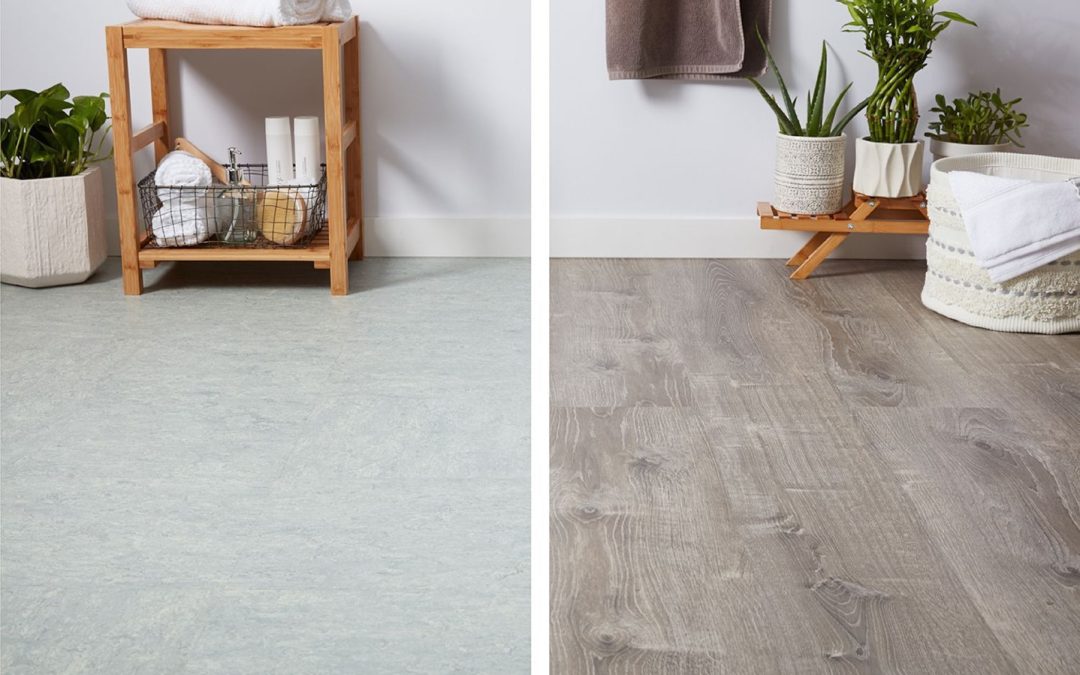
Linoleum also has its own visual character. It is available in a range of colors, patterns, and finishes, including classic marbled appearances and contemporary designs. This versatility allows it to complement both traditional and modern interiors.
Durability is another reason linoleum has remained relevant. Quality products can perform well in high-traffic areas when installed correctly and maintained according to manufacturer instructions.
Modern linoleum has also benefited from manufacturing improvements. Many products now feature protective factory-applied finishes that simplify routine cleaning and help protect the surface from everyday wear.
For Medford homeowners interested in a resilient flooring material made primarily from natural ingredients, linoleum deserves consideration alongside modern vinyl options.
To learn more about the material’s origins and development, explore this history lesson on linoleum.
7. Modern Vinyl and Linoleum Offer Different Advantages for Today’s Homes
With continued improvements in both materials, choosing between vinyl and linoleum is no longer simply a question of durability. Both can be practical, attractive flooring options, but each offers advantages depending on a homeowner’s priorities.
Vinyl flooring stands out for its extensive selection of realistic wood, stone, and tile designs. Its relatively simple maintenance requirements and availability in different installation formats make it a versatile choice for many residential spaces.
Luxury vinyl is especially popular among homeowners who want the appearance of hardwood or natural stone without committing to those specific materials. Product selection remains important, particularly when comparing wear layers, moisture resistance, and installation requirements.
Linoleum, meanwhile, appeals to homeowners who prefer flooring made from natural and renewable materials. Its distinctive appearance, durability, and modern protective finishes make it a practical alternative for high-traffic rooms.
Both materials are available in products suitable for everyday residential use. Kitchens, entryways, hallways, and living spaces can all benefit from resilient flooring, although the specific product should be selected according to the room’s conditions.
Ultimately, the decision often comes down to appearance, budget, environmental preferences, and the way the space is used.
For Medford homeowners comparing the two, looking at actual samples and reviewing product specifications can be more helpful than assuming one material is universally better.
Choosing the Right Flooring for Your Medford Home
The evolution of vinyl flooring has given homeowners more choices than ever before. From the durable products introduced during the mid-20th century to today’s realistic luxury vinyl designs and click-together installation systems, the material has continued to improve in appearance, convenience, and versatility.
Linoleum has evolved as well, maintaining its appeal as a flooring option made primarily from natural materials while benefiting from modern finishes that simplify maintenance.
Neither material is necessarily the best fit for every home. A successful flooring project starts with understanding the conditions of the room, how much traffic the surface will receive, what appearance you prefer, and how much maintenance you want to manage.
At Oregon Floor Works, we help homeowners in Medford and throughout Southern Oregon explore flooring options that match their spaces and everyday needs. Comparing vinyl and linoleum with these factors in mind can help you choose a floor that looks good and performs well for years to come.
Frequently Asked Questions About Vinyl and Linoleum Flooring
What are the main environmental differences between vinyl and linoleum flooring?
The biggest difference is their composition. Vinyl flooring is primarily made from synthetic materials, including PVC, while linoleum uses natural ingredients such as linseed oil, wood flour, and jute. Some vinyl manufacturers have introduced recycled content and improved emissions standards, but linoleum is generally the stronger option for homeowners prioritizing renewable raw materials. Environmental performance should still be evaluated at the individual product level.
What makes luxury vinyl flooring different from traditional vinyl?
Luxury vinyl flooring offers realistic wood, stone, and tile designs, often in individual planks or tiles. Many products include protective wear layers designed for daily use, and the individual-piece format may make certain repairs easier. Traditional sheet vinyl and luxury vinyl can both be durable, but construction, thickness, wear-layer specifications, and overall quality influence performance.
Can click-together vinyl flooring reduce installation costs?
In some cases, yes. Click-together vinyl may be installed over certain existing surfaces when the flooring manufacturer permits it and the surface meets preparation requirements. Avoiding unnecessary removal can reduce labor and demolition. In older homes where asbestos-containing flooring may be present, leaving suitable material undisturbed can sometimes be an option, but a qualified professional should determine whether covering it is appropriate. Installation over an existing floor is not automatically safe or permitted in every situation.
Is vinyl flooring easier to maintain than linoleum?
Both materials are relatively easy to maintain with regular sweeping, vacuuming, and cleaning using manufacturer-approved products. Neutral-pH cleaners are commonly recommended for routine care. Many modern linoleum products have factory-applied, UV-cured protective finishes that make maintenance comparable to vinyl. Always follow the product manufacturer’s cleaning instructions, since finishes and maintenance requirements can vary.
Is vinyl or linoleum better for high-traffic areas like kitchens and entryways?
Both materials can perform well in high-traffic spaces when the product is suitable for the application and installed correctly. Advances in vinyl construction and modern linoleum finishes have narrowed many of the practical differences between them. For most homeowners, the decision comes down to budget, design preferences, moisture exposure, product durability, and environmental priorities. Reviewing the specifications of individual products is the best way to determine which will work for a particular room.