
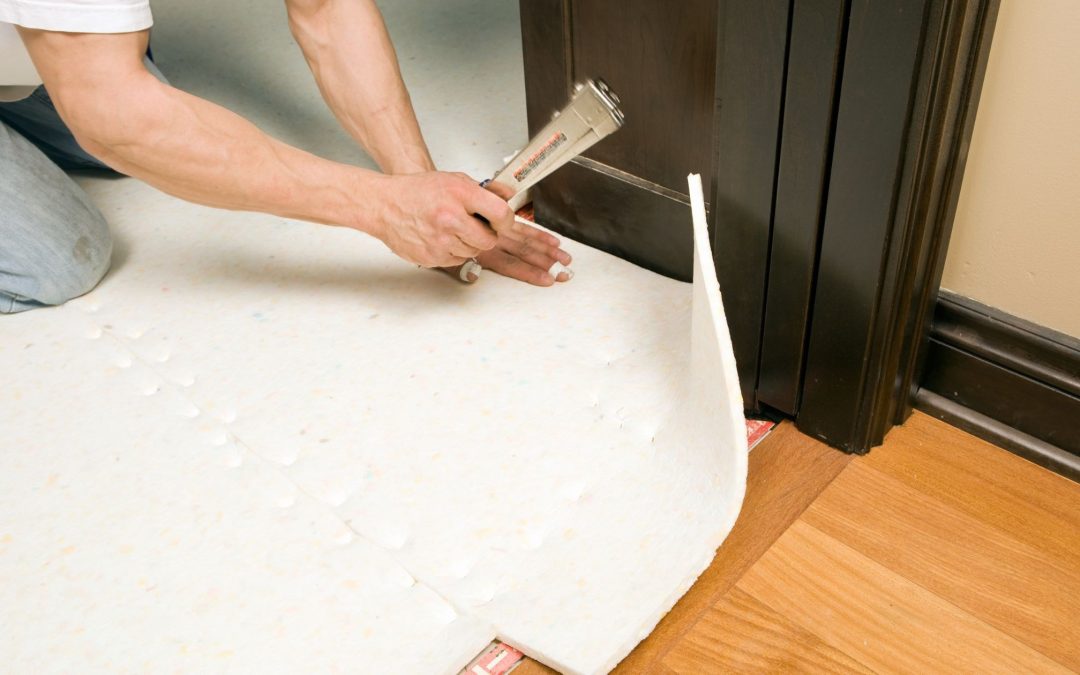
A successful carpet installation starts long before the new flooring is rolled out. The condition of the subfloor beneath your carpet affects how the finished surface looks, feels, and holds up to daily use. Whether your home has concrete, hardwood, or plywood flooring underneath, proper preparation helps create a stable foundation.
Skipping this important step can lead to uneven carpeting, moisture problems, and unnecessary wear. Understanding how different subfloors are prepared can help you avoid these issues and get better results from your flooring investment.
Why Subfloor Preparation is Crucial for Carpet Installation
Your subfloor provides the structural support for the carpet and padding installed above it. Before installing new carpet, the surface should be clean, stable, and free of damage that could affect the finished flooring.
An improperly prepared subfloor can create several problems, including:
-
Uneven carpeting: Raised areas, gaps, and damaged sections can create noticeable bumps or depressions beneath the carpet.
-
Moisture damage: Excess moisture can contribute to mold, mildew, unpleasant odors, and deterioration of flooring materials.
-
Premature wear: An unstable foundation can cause certain areas of the carpet to wear faster than others.
Preparing the subfloor also gives installers an opportunity to identify hidden issues before they’re covered by new materials. Addressing loose boards, damaged concrete, or moisture concerns early can help prevent more expensive flooring problems later.
Did you know? Some carpet manufacturers have specific subfloor preparation requirements that must be followed to maintain warranty coverage. Reviewing these guidelines before installation can help protect your investment.
What Goes Into Preparing a Carpet Subfloor?
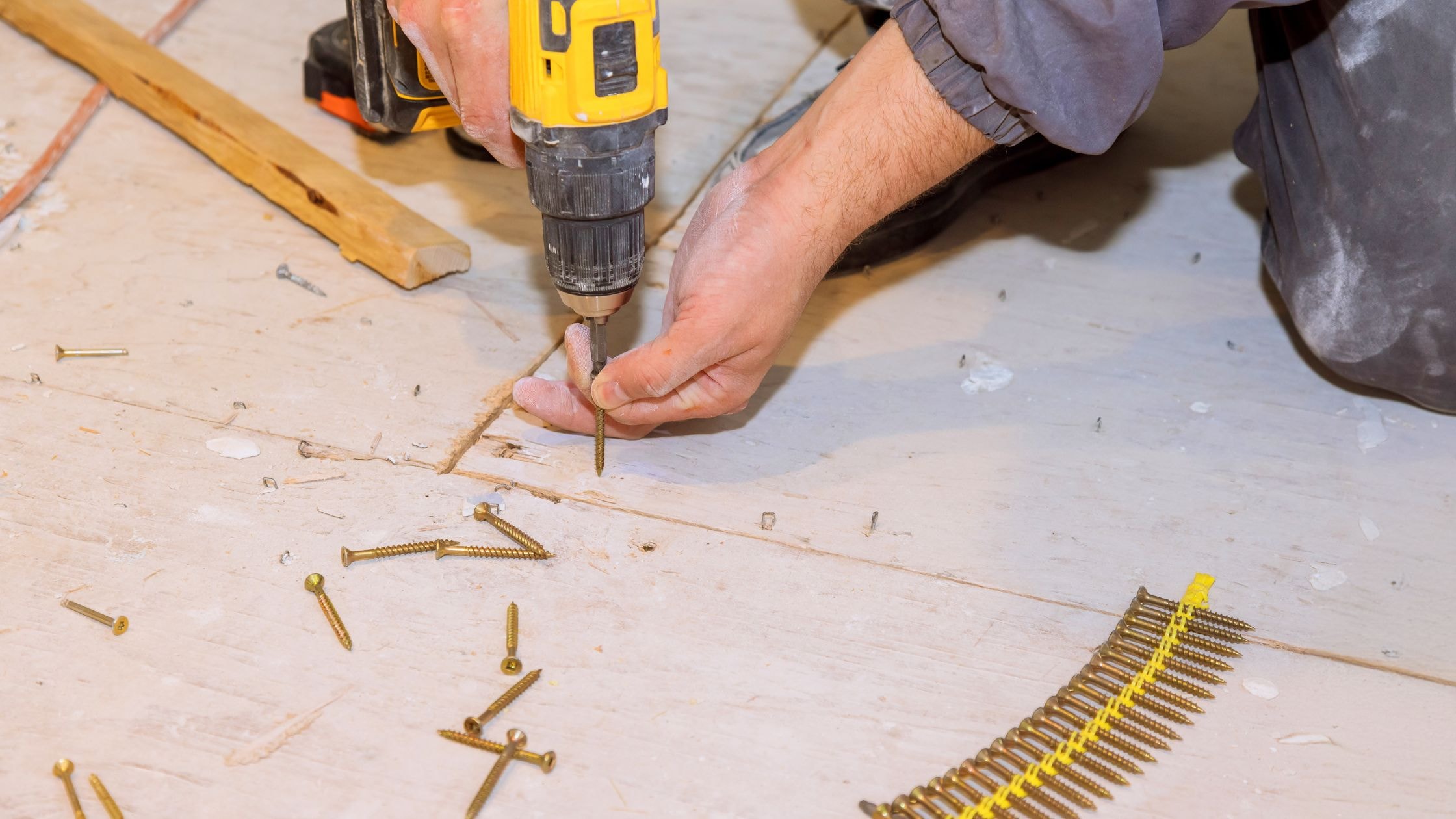
Different subfloor materials require different preparation methods. Concrete, hardwood, and plywood each present unique challenges that should be addressed before installing carpet and padding.
Professional carpet installers evaluate the existing surface to determine which repairs, cleaning methods, and moisture precautions are necessary. The goal is to create a secure foundation that supports the carpet without introducing unevenness or unnecessary movement.
Concrete Subfloors
Concrete subfloors are commonly found in basements and homes built on slab foundations. Before carpet installation, the concrete should be thoroughly cleaned to remove dust, debris, and leftover adhesive that could interfere with the new flooring.
Installers inspect the surface for cracks, damaged sections, and uneven areas that may need patching or smoothing. Moisture testing is another important step because concrete can transmit moisture even when the surface appears dry. If moisture levels exceed the flooring manufacturer’s limits, the underlying issue must be addressed before proceeding.
Hardwood Floors
Existing hardwood flooring may sometimes serve as a base for carpet installation, provided the surface is structurally sound. Before covering the wood, installers should inspect for loose boards, protruding fasteners, and damaged sections that could affect the new carpet.
Loose flooring should be secured, while raised areas or significant gaps may require additional preparation. It’s also important to check for moisture damage or deterioration, especially in older homes where the condition of the underlying materials may not be immediately visible.
Plywood or Wood Subfloors
Plywood and other wood subfloors are common in residential construction, particularly on upper floors. These surfaces need to be inspected for loose panels, squeaking, splinters, and uneven joints before the carpet installation begins.
Securing loose sections with appropriate fasteners can reduce movement and help create a sturdier base. Installers may also smooth rough edges and address protruding nails or screws that could damage carpet padding. Taking care of these details helps the finished floor feel more consistent underfoot.
Addressing Common Subfloor Issues
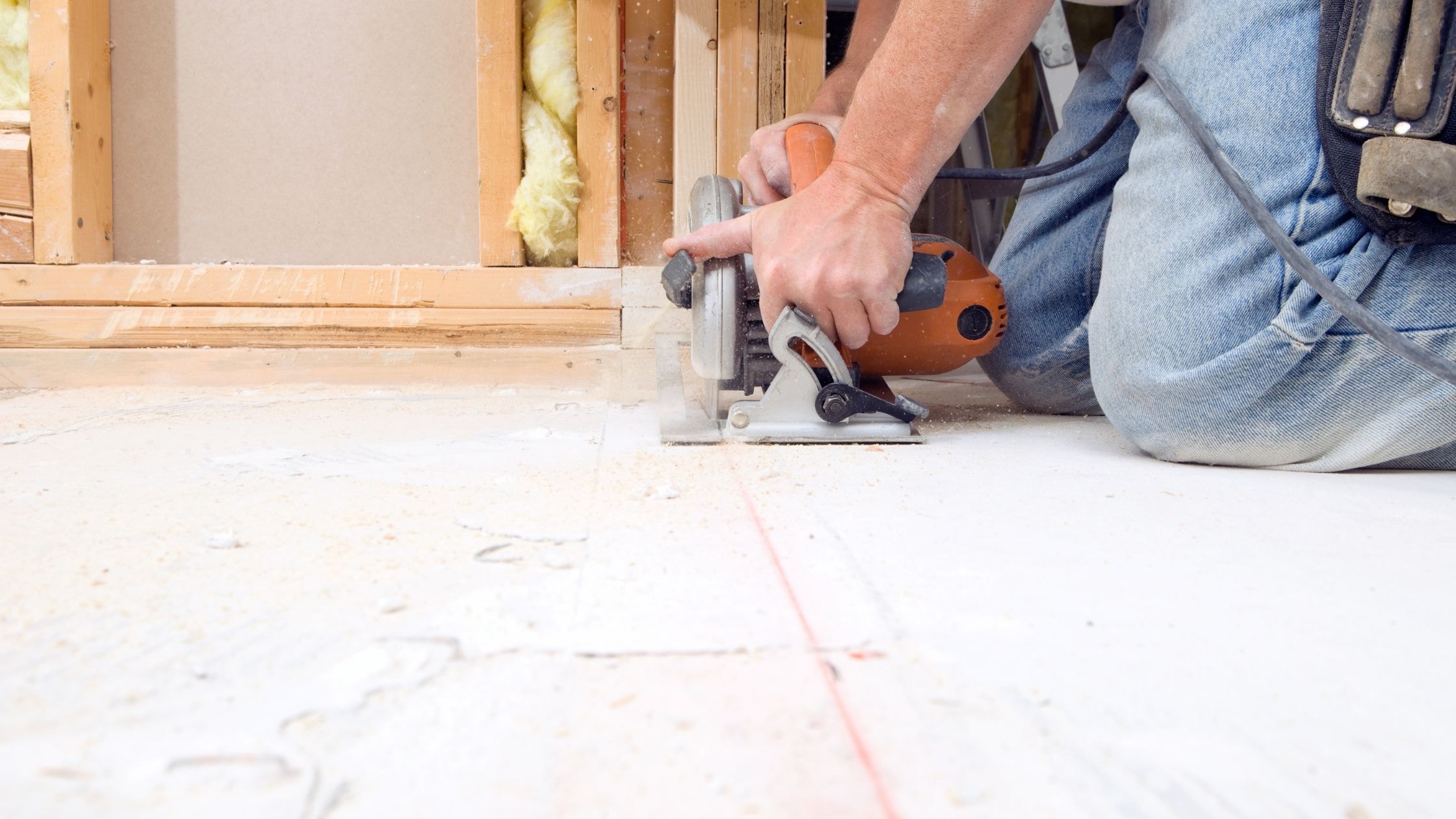
Subfloor problems aren’t always visible until the existing flooring has been removed. Moisture, cracks, and uneven surfaces can develop gradually, making an inspection an important part of preparing for new carpet.
Identifying these conditions before installation helps determine whether the surface needs minor adjustments or more extensive repairs. Correcting underlying problems also reduces the likelihood of having to remove newly installed carpeting to address issues later.
Moisture Problems
Moisture is especially important to consider when installing carpet over concrete or in areas with limited ventilation. Damp conditions can affect carpet backing and padding while creating an environment where mold and mildew may develop.
Before installation, the source of excess moisture should be identified and corrected. Depending on the subfloor and flooring system, an approved moisture barrier or vapor retarder may be appropriate. Proper ventilation and humidity control can also help maintain more stable indoor conditions.
A moisture barrier isn’t a substitute for repairing leaks or resolving ongoing water intrusion. The materials selected should be compatible with the subfloor and meet the carpet manufacturer’s installation requirements.
Cracks or Damage
Cracks, holes, and deteriorating materials can compromise the surface beneath your carpet. Concrete may develop cracks or chipped sections, while wooden subfloors can experience splitting, loose fasteners, or deterioration from prolonged moisture exposure.
Minor surface damage can often be repaired using materials designed for the specific subfloor. Concrete patching compounds may be suitable for nonstructural cracks, while damaged wood sections might need to be reinforced or replaced.
Larger cracks, significant movement, or signs of structural damage should be evaluated before flooring installation continues. Repairing these conditions first helps create a safer and more reliable foundation.
Uneven Surfaces
An uneven subfloor can affect both the appearance and feel of newly installed carpet. High spots may create raised areas, while dips and depressions can remain noticeable even after padding has been added.
The appropriate repair depends on the material and severity of the unevenness. Concrete surfaces may require grinding or a compatible leveling compound, while wooden subfloors might need sanding, fastening, or replacement of damaged sections.
Although carpet padding provides cushioning, it isn’t designed to correct significant subfloor defects. Smoothing and stabilizing the surface before installation helps create a more uniform finished floor.
For a broader look at the flooring process, explore our Carpet Installation Guide.
Professional Techniques that Ensure Success
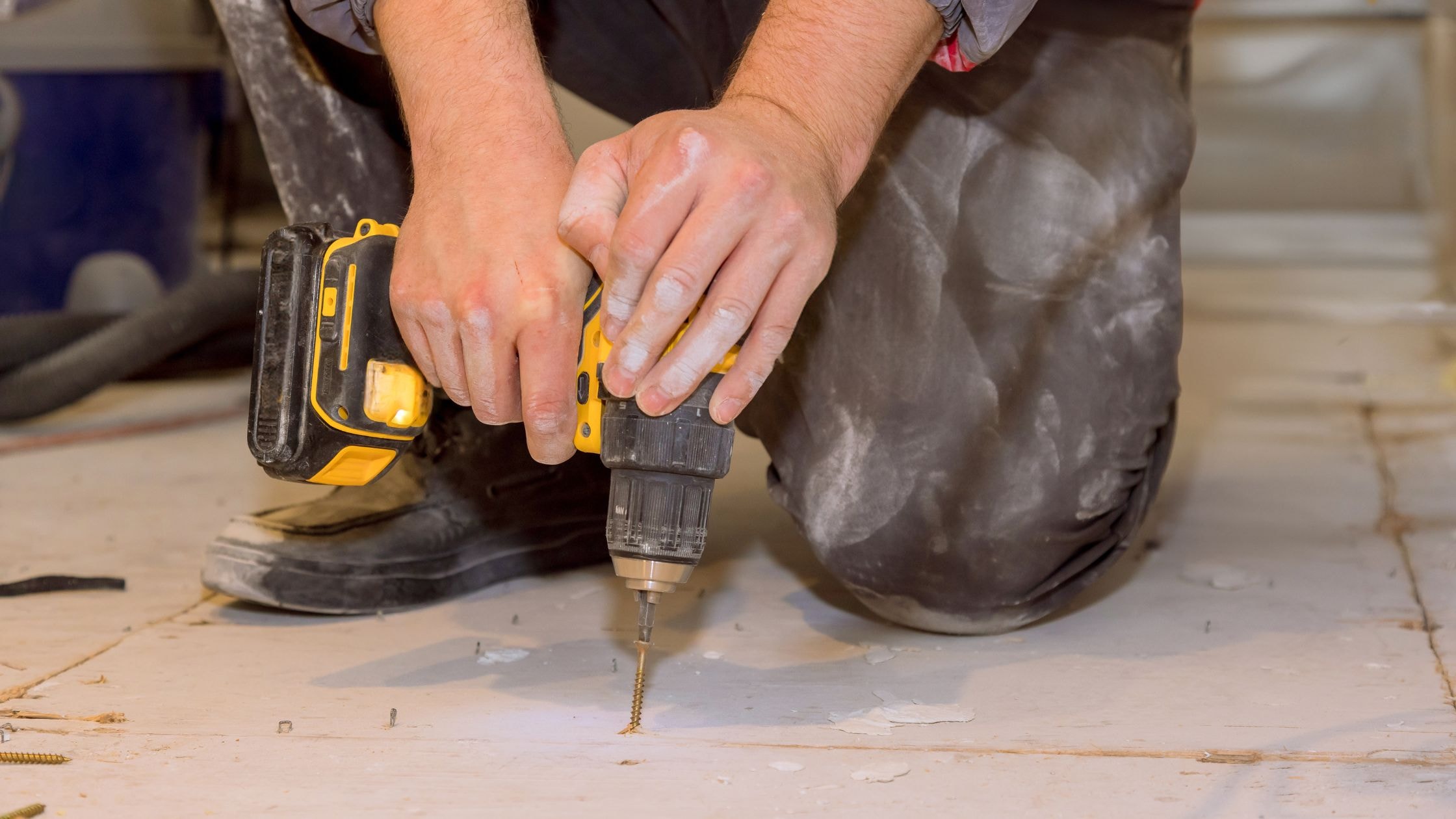
Preparing a carpet subfloor involves more than simply sweeping the room before installation. Professional installers use a series of inspections and preparation methods to identify conditions that could affect the carpet’s performance.
From surface cleaning to moisture testing and padding installation, each step helps support a finished floor that looks consistent and feels comfortable. The preparation process may vary depending on the existing materials and the condition of the room.
Thorough Cleaning
The first step is removing dust, dirt, debris, and any leftover materials from the previous flooring installation. Small objects, adhesive residue, and loose particles can create imperfections beneath the new carpet if they aren’t cleared away.
Cleaning also allows installers to see the condition of the exposed surface more clearly. Once the area is free of debris, cracks, loose fasteners, and damaged sections are easier to identify and address.
Surface Repairs
Any damage discovered during the initial inspection should be corrected before new flooring materials are installed. This may include filling appropriate cracks, securing loose wooden panels, replacing damaged sections, or smoothing rough areas.
The repairs should match the subfloor material and the type of damage present. Completing this work beforehand creates a more stable surface and helps reduce problems associated with movement, unevenness, or deterioration beneath the carpet.
Testing for Levelness and Moisture
Installers check the subfloor for variations in height that could affect the finished carpet. Measuring tools and straightedges can help identify raised areas or depressions that need attention before installation.
Moisture testing is equally important, particularly when carpet is being installed over concrete. If the results indicate excessive moisture, the cause should be addressed and the surface brought within the flooring manufacturer’s requirements. These checks help reduce the risk of moisture-related damage and uneven flooring.
Laying Padding
After the subfloor has been prepared, carpet padding is installed to create a cushioned layer beneath the carpet. Padding helps absorb the impact of foot traffic, supports the carpet backing, and can contribute to improved sound insulation and comfort.
The padding should be selected according to the carpet manufacturer’s thickness and density recommendations. Installers also position and secure the padding to minimize movement and keep seams properly aligned beneath the finished flooring.
Did you know? Choosing the correct carpet padding can help reduce stress on the carpet backing, supporting better long-term performance in frequently used rooms.
Steps to Install Carpet After Subfloor Preparation
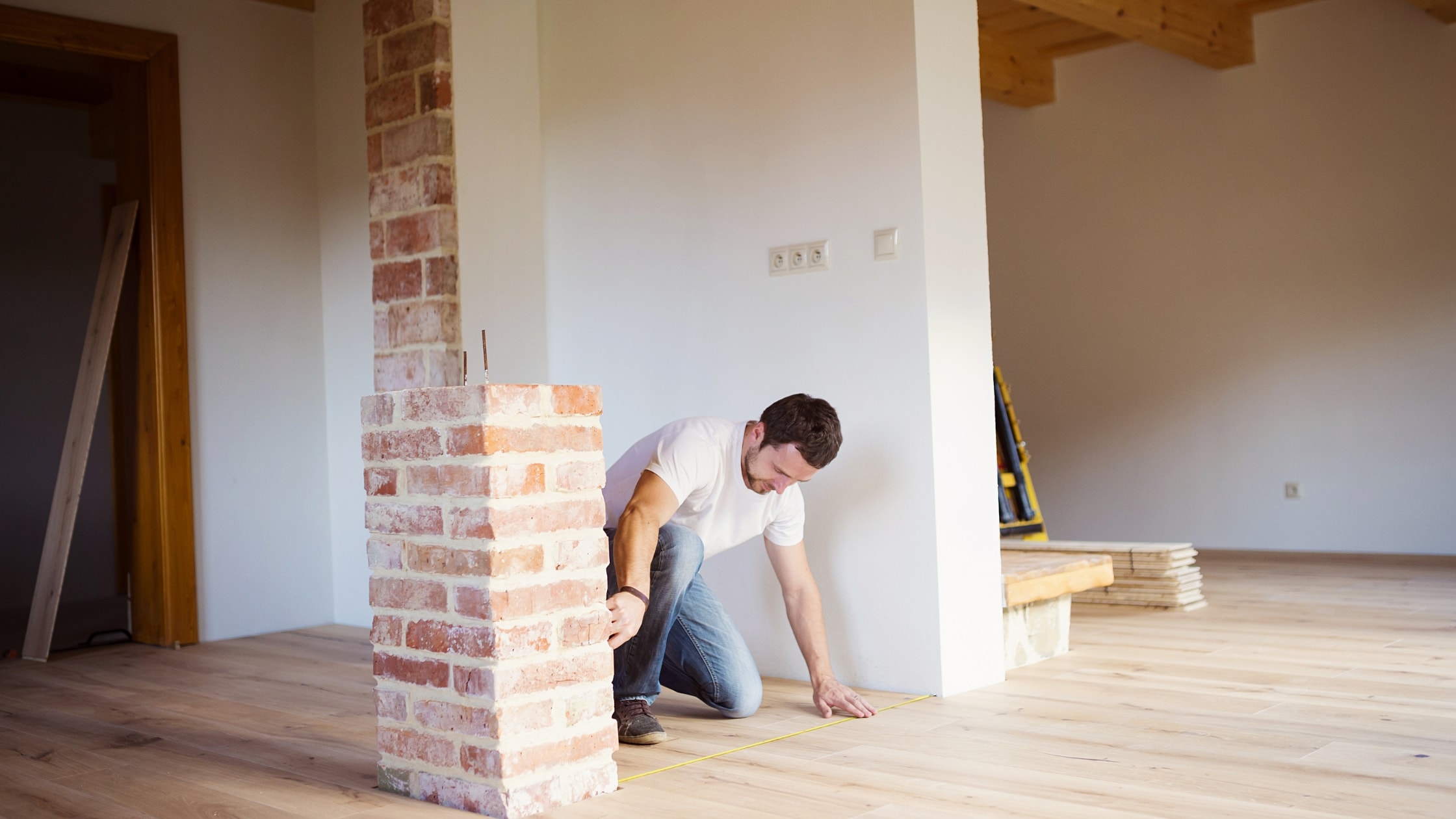
Once the subfloor is clean, dry, and ready for flooring, the carpet installation process can begin. Accurate measurements, careful positioning, and proper stretching are essential for achieving a secure fit.
Professional installers follow a sequence that accounts for room dimensions, carpet direction, seam placement, and transitions between flooring materials. These details help create a finished surface that looks neat and performs well with everyday use.
Measuring the Space
Accurate measurements help installers determine how much carpet and padding are needed for the project. Room dimensions, closets, doorways, and irregular layouts must be considered to reduce waste and plan the most suitable carpet placement.
Carpet roll widths and seam locations also influence material requirements, so square footage alone may not provide an exact estimate. Learn more in our guide to measuring your space for carpet installation.
Stretching and Laying Carpet
After the padding is installed, the carpet is positioned according to the room’s layout. Installers carefully align the material and use specialized equipment to achieve the proper tension across the floor.
Power stretching helps reduce slack that could otherwise contribute to ripples, wrinkles, or movement after installation. Proper tension also supports a smoother appearance and helps the carpet remain securely positioned.
For additional information about this process, read our guide to carpet stretching.
Seaming and Securing
Larger rooms and irregular spaces may require multiple carpet sections to cover the entire floor. When seams are necessary, installers align the carpet’s pile direction and join the sections using techniques suited to the material.
The carpet is then secured around the perimeter using the appropriate installation system. Careful trimming and finishing around walls, doorways, and transitions help create a clean appearance while keeping the flooring properly positioned.
Quick tip: Follow the carpet manufacturer’s instructions for storage, room conditions, and any required acclimation before installation. Proper material handling can help avoid preventable installation issues.
The Long-Term Benefits of Proper Subfloor Preparation
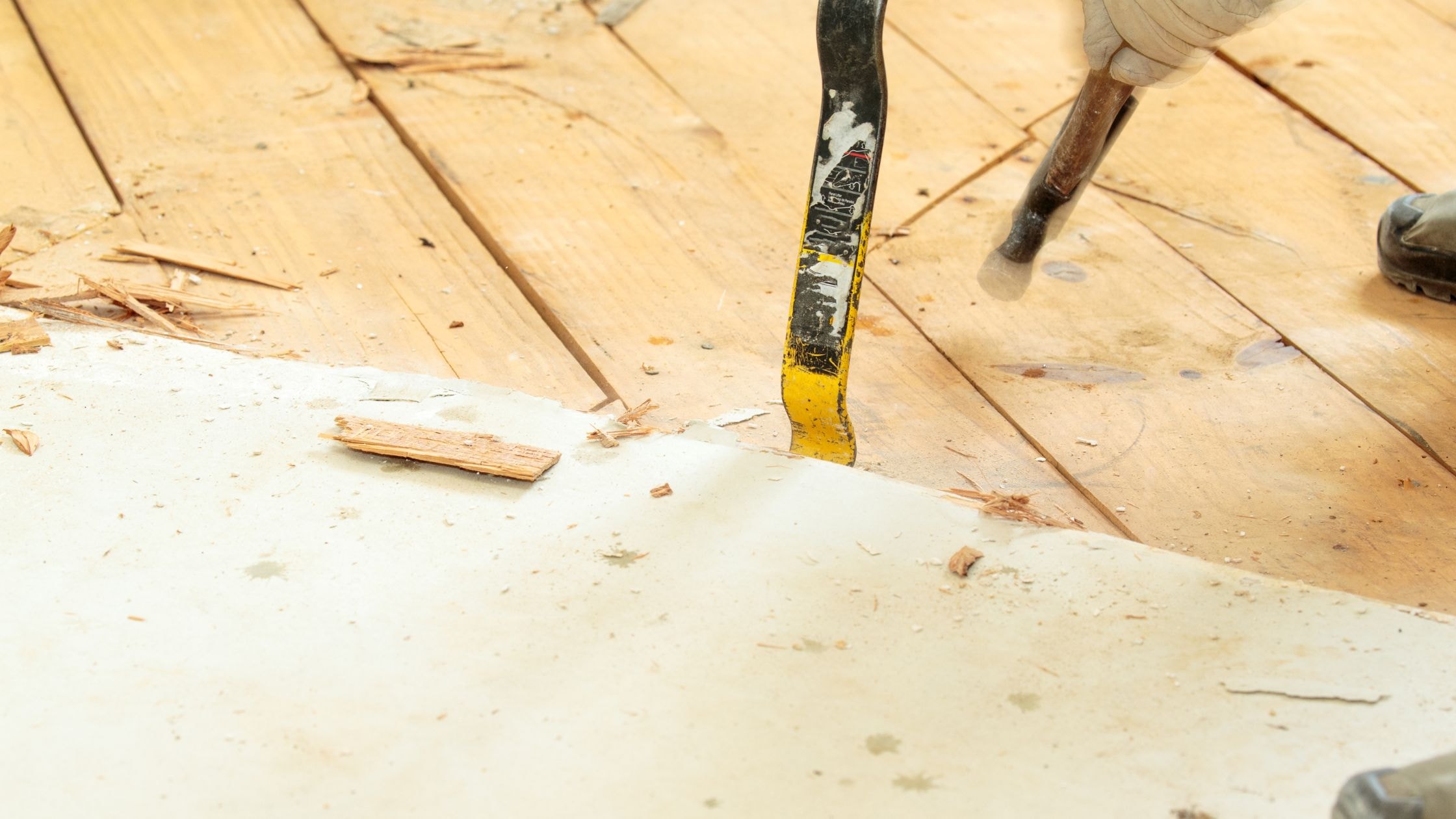
Taking time to prepare your subfloor helps protect the appearance and durability of your new carpet. A properly maintained foundation provides consistent support and reduces the chance of hidden problems affecting the flooring after installation.
Some of the most important benefits include:
-
A smoother finished surface: Repairing uneven or damaged areas helps prevent noticeable bumps and depressions.
-
Reduced risk of moisture damage: Testing and addressing moisture concerns can help protect carpet backing, padding, and the underlying floor.
-
Improved carpet performance: A secure foundation supports more consistent wear and helps the carpet maintain its appearance.
-
Better everyday comfort: Stable flooring and properly selected padding create a more comfortable walking surface.
Subfloor preparation is particularly valuable when replacing older carpeting because it allows previously covered areas to be inspected. Correcting existing damage before installing new materials can help avoid additional flooring work down the road.
Working with a professional carpet flooring team can help homeowners identify the preparation steps appropriate for their property. Experienced installers can also recommend solutions based on the existing subfloor and carpet manufacturer’s requirements.
Transform Your Floors With Careful Preparation
A new carpet installation is an opportunity to improve both your home’s appearance and the condition of the flooring underneath. Whether you’re covering a concrete slab, replacing carpet over plywood, or installing new flooring above existing hardwood, preparing the subfloor helps create a dependable foundation.
At Oregon Floor Works, we provide professional carpet flooring services for homeowners throughout Medford and the surrounding Jackson County area. Our team can help evaluate your existing flooring, address installation requirements, and select carpet materials suited to your space.
Ready to update your floors? Contact Oregon Floor Works to discuss your carpet installation project and learn more about preparing your home for new flooring.