
When shopping for new carpet, it’s easy to focus on the color, texture, and style while overlooking what’s underneath. Carpet padding plays an important role in how your flooring feels, performs, and withstands everyday use. Choosing the right cushion can help protect your carpet while providing additional comfort throughout your home.
Different rooms require different levels of support, and not every type of padding works with every carpet. Whether you’re updating a bedroom, replacing living room flooring, or planning a commercial installation, understanding your options will help you select the best carpet padding for your needs.
This guide explores the benefits of carpet padding, compares popular materials, and explains what to consider before making your final decision.
What is Carpet Padding?
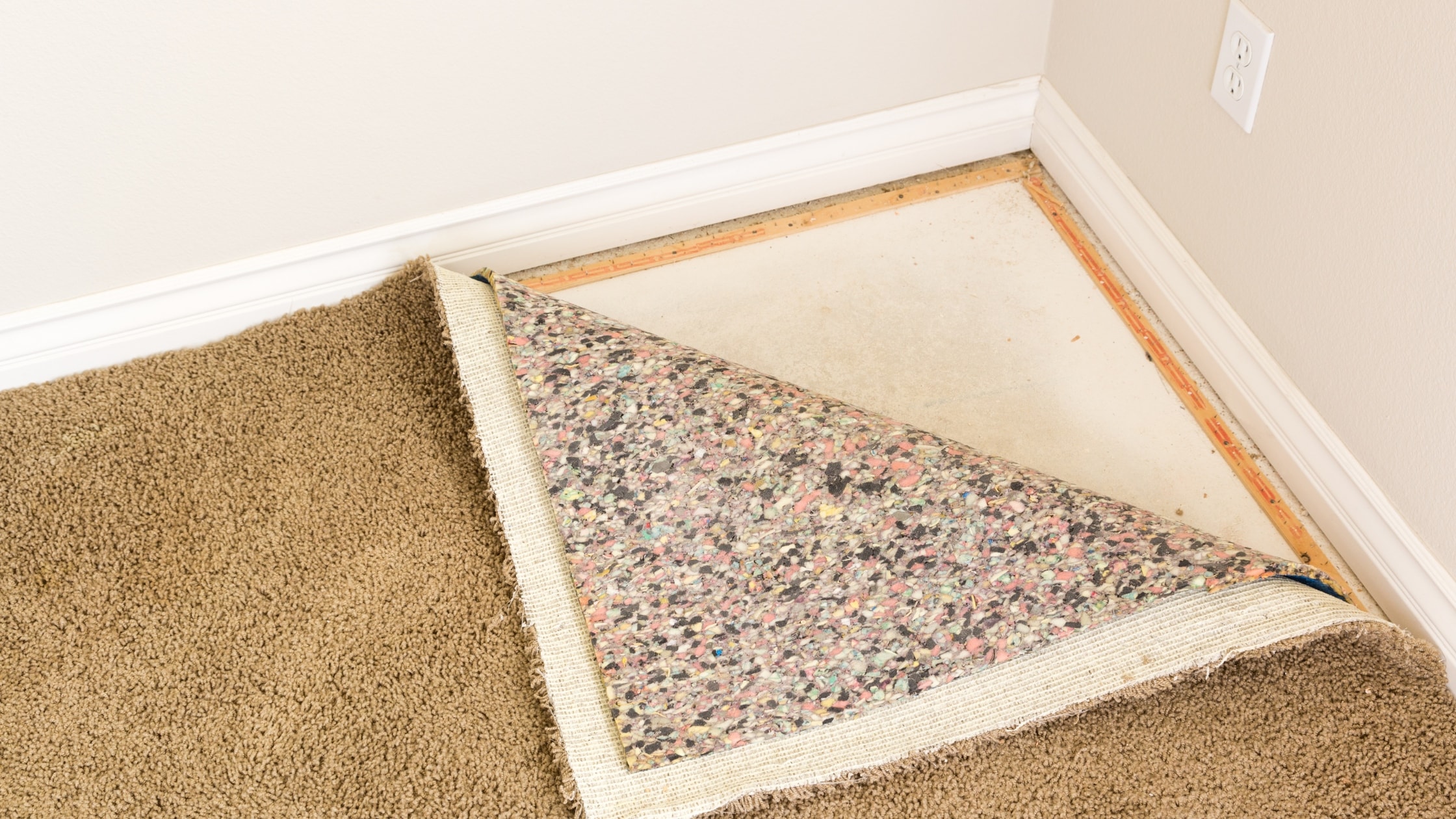
Carpet padding, sometimes called carpet cushion, is a supportive layer installed between your carpet and the subfloor. It helps absorb pressure from footsteps and furniture while reducing stress on the carpet backing. Although you won’t see it once the flooring is installed, its quality can influence how well your carpet performs over time.
The right carpet padding offers several important advantages:
-
Adds Comfort: Creates a cushioned surface that makes walking, standing, and sitting on carpet more comfortable.
-
Extends Lifespan: Helps distribute pressure and reduce unnecessary wear on carpet backing and fibers.
-
Reduces Noise: Absorbs some of the sound produced by footsteps and everyday household activities.
-
Improves Cleaning: Provides stable support that can help your carpet maintain its structure during regular vacuuming.
Carpet padding also contributes to the overall feel of a room. A well-supported carpet can offer cushioning without feeling overly soft or unstable, making it more comfortable for everyday activities.
Did you know? Carpet padding can help reduce the impact of walking on hard subfloors, providing additional comfort in rooms where people spend significant time standing or moving around.
Benefits of Using the Best Carpet Padding
Selecting quality carpet padding involves more than choosing the softest material available. The correct cushion supports your carpet’s construction, accommodates regular foot traffic, and contributes to a more comfortable indoor environment.
Understanding these benefits can help you decide which padding features matter most for your flooring project.
Protection Against Wear and Tear
Everyday activities place pressure on carpet fibers and backing, especially in rooms with frequent foot traffic. Carpet padding absorbs some of this impact and provides support that helps reduce wear associated with repeated compression.
A properly selected cushion can help carpeting retain its appearance longer. This is particularly important in living rooms, hallways, and other areas where the flooring experiences regular use.
Enhanced Comfort
One of the most noticeable benefits of carpet padding is the additional cushioning it provides underfoot. A supportive pad makes carpet more comfortable for walking, playing, or relaxing on the floor.
However, comfort doesn’t necessarily mean choosing the thickest option. Padding should provide an appropriate balance of softness and firmness to support the carpet without allowing excessive movement.
Noise Reduction
Carpet padding can help minimize the sound of footsteps, dropped objects, and movement throughout the home. Its cushioning properties absorb some impact vibrations that would otherwise travel through the floor.
This can be especially beneficial in upstairs bedrooms, playrooms, and multi-level homes. While padding won’t eliminate every sound, choosing an appropriate material can contribute to a quieter living environment.
Improved Indoor Air Quality
Carpet and padding can contribute to indoor air quality through their material composition and how they’re maintained. Selecting products with low chemical emissions can help reduce indoor exposure to certain volatile organic compounds.
When comparing options, look for carpet cushions that meet the Carpet and Rug Institute’s Green Label Plus certification. Proper vacuuming, routine cleaning, and controlling indoor moisture are also important for maintaining a cleaner living space.
Simplifies Cleaning
The right carpet cushion provides a firm foundation that helps carpet maintain its shape during regular maintenance. Proper support can make vacuuming more consistent by preventing excessive movement or compression beneath the carpet.
Padding alone doesn’t remove dirt or allergens, so regular cleaning is still necessary. Choosing carpet and padding that work together can help maintain the flooring’s appearance and make routine care more manageable.
Types of Carpet Pads
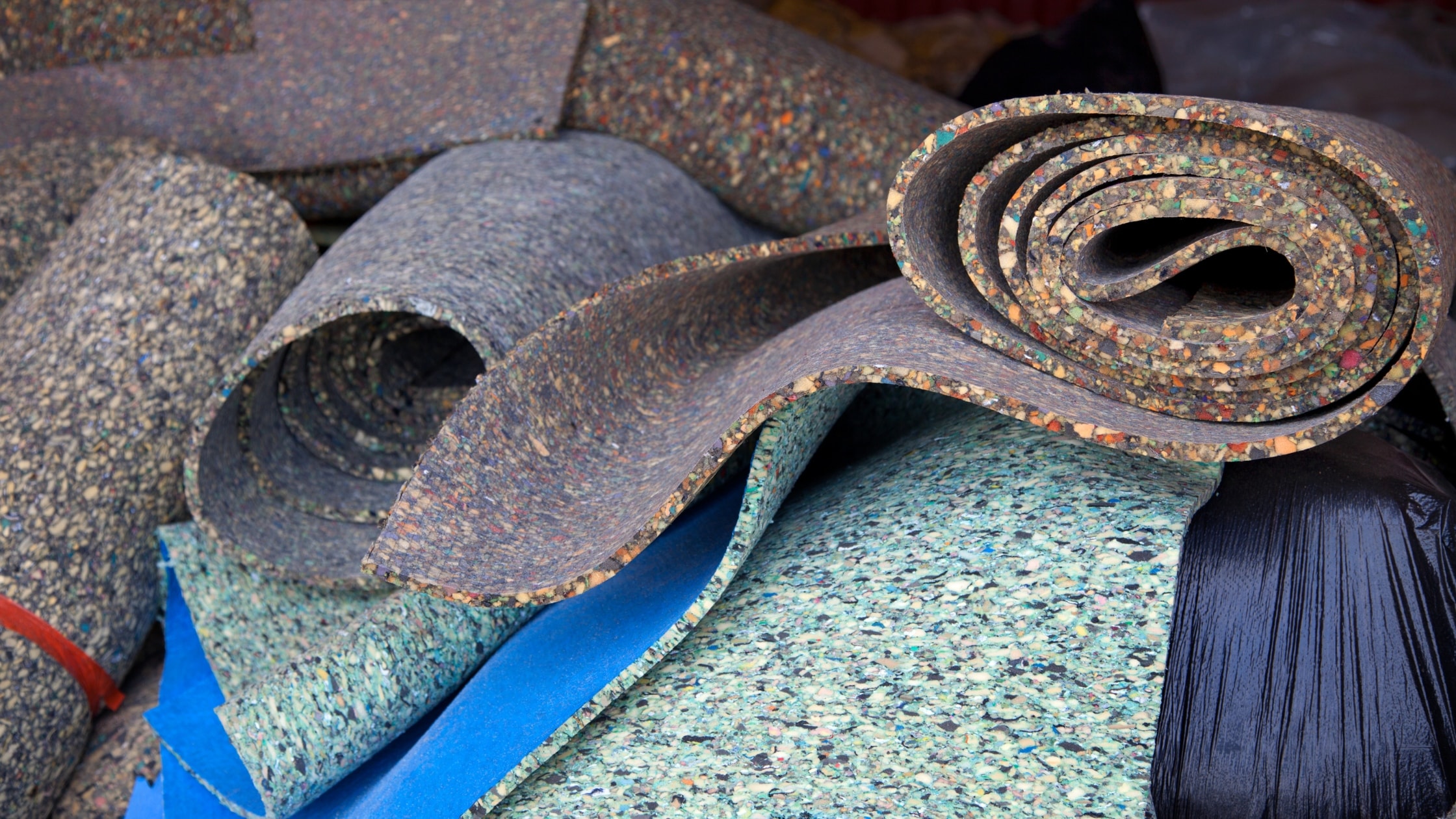
Carpet padding comes in several materials, each offering different levels of firmness, cushioning, and resilience. The best option depends on your carpet construction, the room’s purpose, and the amount of traffic the flooring will receive.
Understanding the differences between common carpet pads makes it easier to find a material that balances performance, comfort, and your budget.
1. Bonded Foam Carpet Pads
Bonded foam padding, also known as rebond padding, is made by combining pieces of recycled polyurethane foam into a single cushion. Its construction provides a balance of comfort and support, making it a popular choice for residential carpet installations.
Bonded foam comes in different densities, allowing homeowners to choose firmer options for busy living spaces or softer varieties for rooms with lighter foot traffic. Higher-density products generally offer better resistance to compression, although performance also depends on the specific construction.
This material can work well in living rooms, bedrooms, and family spaces where both durability and cushioning are important. Households with children or pets may appreciate a dense rebond pad that helps support carpeting through regular activity.
2. Memory Foam Carpet Pads
Memory foam carpet padding is designed to provide a softer, more cushioned feel beneath carpeting. Similar to memory foam used in mattresses, this material responds to pressure and can create a comfortable walking surface.
Its cushioning properties make it appealing for bedrooms, reading areas, and home offices where comfort is a priority. Depending on the product, memory foam padding may also help absorb impact and reduce some household noise.
However, softer padding may not be appropriate for every carpet or high-traffic location. Before selecting memory foam, check the product’s density and compression resistance to ensure it provides adequate support for the flooring above it.
3. Synthetic Fiber Pads
Synthetic fiber carpet padding is typically manufactured from materials such as polyester, nylon, or polypropylene. These fibers are formed into a dense cushion that offers firm, consistent support beneath carpeting.
Because of its relatively low profile, synthetic fiber padding can be suitable for hallways, entryways, and commercial spaces where flooring experiences regular traffic. Its stable construction helps limit excessive carpet movement and provides support for certain low-profile carpet styles.
Some synthetic fiber products also offer moisture-resistant properties, although these features vary by manufacturer. Choosing the appropriate density and construction is essential for achieving the desired durability.
4. Felt Pads
Felt carpet padding uses compressed fibers to create a firm, supportive layer beneath the carpet. Depending on the product, the fibers may be natural, synthetic, or a combination of materials.
Its dense construction can help absorb sound and provide additional thermal insulation. These qualities make felt padding worth considering for dens, playrooms, bedrooms, and multi-level homes where comfort and noise reduction are priorities.
Although felt generally has a firmer feel than memory foam, it can provide stable support for compatible carpet styles. Its performance depends on fiber composition, density, and whether it meets the carpet manufacturer’s specifications.
Quick tip: If you’re interested in recycled materials, ask about bonded foam padding made with recycled polyurethane. Check the product specifications to confirm its recycled content rather than assuming every bonded foam pad has the same composition.
Factors to Consider When Choosing Carpet Padding
Choosing carpet padding requires looking beyond the material itself. Thickness, density, moisture conditions, and the amount of daily activity all influence which cushion will work best in your home.
Comparing these factors can help you avoid selecting padding that’s too soft, too thick, or unsuitable for your carpet.
1. Match Padding to Carpet Type
Different carpet constructions require different levels of support. Berber and other low-profile loop carpets generally need thinner, firmer padding to prevent excessive movement and stress on the carpet backing.
Some cut-pile carpets can accommodate slightly softer cushioning, depending on their construction and intended use. Always review the carpet manufacturer’s padding requirements before purchasing, since the wrong thickness or density may affect performance and warranty coverage.
2. Think About Traffic Levels
Consider how frequently each room is used before selecting carpet padding. Hallways, staircases, and busy family rooms experience repeated pressure that can gradually compress lower-density materials.
For these areas, a dense, resilient cushion often provides better long-term support than an overly soft pad. Bedrooms and rooms with lighter traffic may offer more flexibility when choosing cushioning based on comfort.
3. Moisture Resistance
Moisture resistance is worth considering when installing carpet in basements or other locations where damp conditions may occur. Some carpet pads include protective barriers designed to limit liquid spills from reaching the subfloor.
However, a moisture barrier won’t correct water intrusion or excessive moisture coming from beneath the flooring. Any existing leaks, condensation problems, or elevated subfloor moisture levels should be addressed before carpet and padding are installed.
4. Budget vs. Longevity
Carpet padding is available at different price points, with cost influenced by material, density, thickness, and additional features. Lower-priced options may provide adequate performance in lightly used spaces, while higher-quality cushions can offer greater resistance to compression.
Rather than selecting padding based on price alone, consider how long you intend to keep your carpet and the amount of wear the room receives. Investing in a cushion that meets your carpet’s requirements can help reduce premature deterioration and unnecessary replacement expenses.
The Right Carpet Padding for Specific Areas
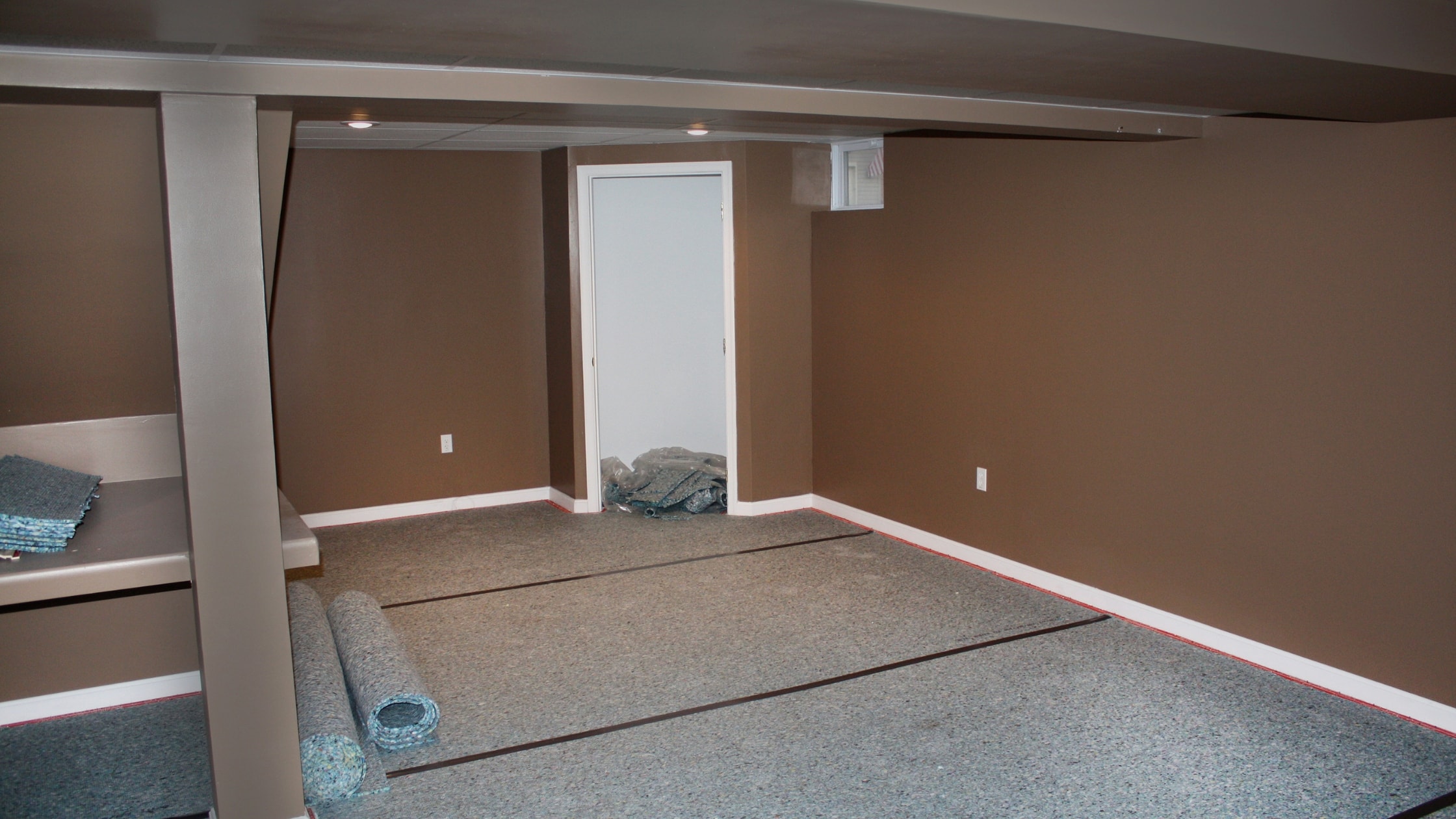
The best carpet padding for one room may not be the right choice for another. A quiet bedroom typically has different comfort requirements than a staircase, busy hallway, or commercial entrance.
Matching padding characteristics to the room’s intended use helps provide a balance of comfort, support, and long-term performance.
Living Rooms and Bedrooms
Bedrooms and living rooms often benefit from padding that provides cushioning while maintaining stable support beneath the carpet. Memory foam or appropriately selected bonded foam can create a softer walking surface and make these spaces feel more comfortable.
Bedrooms with lighter foot traffic may accommodate softer cushioning, while busy family living rooms generally benefit from denser materials. The best choice depends on how the room is used and the specifications of the carpet being installed.
High-Traffic Areas (Hallways, Stairs)
Hallways and staircases need carpet padding that can withstand frequent pressure without compressing excessively. Dense synthetic fiber or suitable rubber padding can provide the firm support needed for these heavily used areas.
Low-profile cushioning is particularly important on stairs because excessive thickness can affect how securely the carpet fits around the stair edges. Choosing a compatible, resilient pad helps maintain the flooring’s shape and supports a more stable walking surface.
Commercial Spaces
Commercial flooring experiences regular traffic from employees, customers, and visitors, making durability an important consideration. Firm, low-profile padding made from compatible synthetic fibers or rubber can help support carpeting in offices, reception areas, and retail environments.
The appropriate product also depends on the commercial carpet’s construction and installation method. Some commercial carpet systems are designed to be installed without separate padding, so reviewing manufacturer requirements is essential before adding a cushion.
Basements
Basement carpet installations require additional attention because concrete subfloors may experience moisture-related conditions. Choosing a moisture-resistant carpet cushion can help protect against certain spills and provide additional insulation over cooler flooring surfaces.
Before installing carpet, the subfloor should be checked for excess moisture and any underlying water problems. A protective pad may be useful in a properly prepared basement, but it shouldn’t be used to conceal or manage unresolved moisture intrusion.
Quick tip: The Carpet and Rug Institute generally recommends padding no thicker than 7/16 inch for many residential carpets, while Berber and certain low-profile carpets typically require padding no thicker than 3/8 inch. Always follow the specific carpet manufacturer’s guidelines for thickness and density.
For More Guidance
Choosing the right carpet padding is only one part of planning a successful flooring project. Accurate room measurements help determine how much carpet and cushioning you’ll need while accounting for closets, unusual layouts, and material waste. Explore our Measuring Your Space for Carpet Installation Guide to learn more.
If your existing flooring feels uneven, looks worn, or no longer responds well to cleaning, it may be time to consider replacing it. Our guide on when to Replace Your Carpet covers common warning signs and what to evaluate before purchasing new materials.
Once you’ve selected your carpet and padding, understanding the installation process can help you prepare for the project. Visit our Carpet Installation Guide for information about installation steps, subfloor preparation, and professional flooring services.
FAQs
1. What is a carpet pad, and why is it important?
A carpet pad is a layer of cushioning installed between carpet and the underlying subfloor. It helps absorb impact, provides comfort, and reduces stress on carpet backing during everyday use. Appropriate padding can also improve sound insulation and help the flooring maintain its appearance.
2. Is a thick carpet pad always better?
No. While thicker carpet padding may feel softer, excessive cushioning can cause certain carpet styles to move or flex more than intended. The ideal thickness and density depend on the carpet construction, room usage, and manufacturer’s requirements, with low-profile carpets often requiring thinner, firmer padding.
3. What types of carpet pads are available?
Common options include bonded foam, memory foam, prime polyurethane foam, synthetic fiber, felt, and rubber padding. Each material offers different cushioning and support characteristics, making some better suited for bedrooms and others more appropriate for heavy-traffic locations. Comparing density, thickness, and material properties can help narrow your options.
4. How can I ensure my new carpet performs well over time?
Start by choosing carpet padding that meets the flooring manufacturer’s specifications for thickness and density. Proper installation, regular vacuuming, and prompt attention to spills also help maintain carpet appearance. The Carpet and Rug Institute provides additional guidance on carpet care and suitable cushioning materials.
5. What is the best carpet pad for commercial carpet?
Commercial carpet generally requires firm, resilient cushioning capable of supporting frequent foot traffic. Low-profile synthetic fiber or rubber padding may be appropriate for certain commercial installations, although some carpet products are designed for installation without a separate pad. Check the manufacturer’s requirements and consult a flooring professional before making your selection.
Achieve Comfort, Durability, and Style
Choosing the right carpet padding can make a noticeable difference in how your flooring feels and performs. From soft cushioning in bedrooms to dense support in busy hallways, the best option is one that complements your carpet and meets the demands of the space.
Pay attention to padding thickness, density, and material construction rather than focusing on softness alone. A properly matched cushion helps support carpet fibers, reduces unnecessary movement, and contributes to a more comfortable finished floor.
At Oregon Floor Works, we help homeowners in Medford and throughout Jackson County select flooring materials suited to their homes and lifestyles. Whether you’re replacing existing carpeting or planning a new installation, our team can help you explore carpet and padding options that work together.
Ready to upgrade your flooring? Contact Oregon Floor Works to discuss your project with a flooring professional and find the right foundation for your new carpet.